
How Lupus Affects Newborns: What Parents Should Know
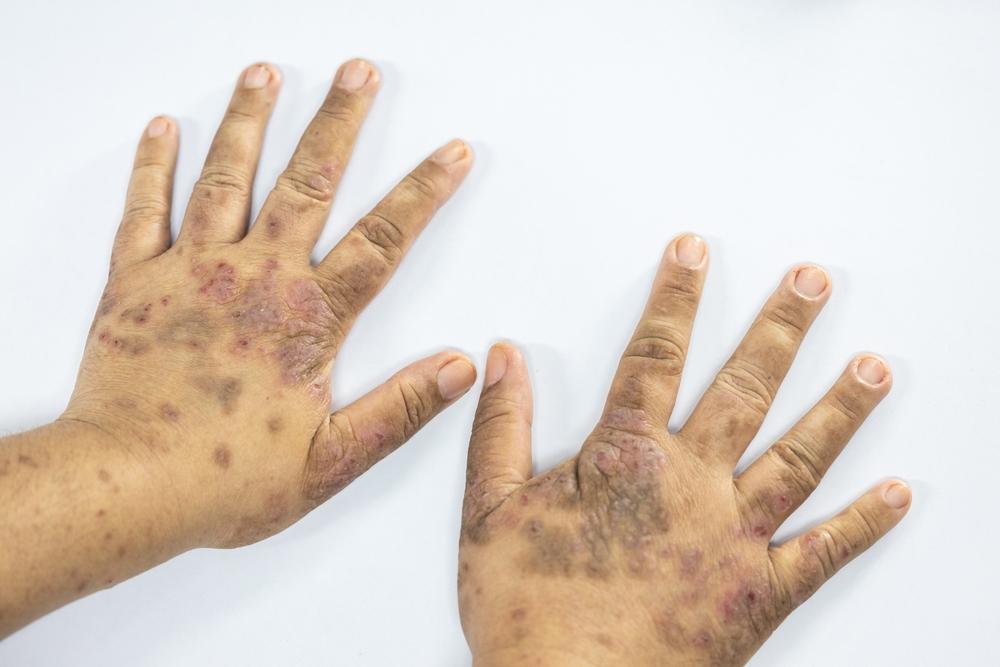
Bringing a new baby involves struggles, efforts, joy, and nervousness. However, when they learn about lupus, parents often wonder how it could affect their newborn. Nonetheless, this is a concerning issue that requires clear and honest answers. Understanding neonatal lupus in newborns is crucial because it provides families with the necessary knowledge. While the condition is rare, parents want to know what it means, what signs to look out for, and what can be done about it. This blog will guide you through what neonatal lupus is, how it develops, common symptoms, potential treatments, and ways parents can support their child. Moreover, by the end of this blog, you'll have a full picture that helps turn uncertainty into informed awareness.
What Exactly Is Neonatal Lupus?
Neonatal lupus is not the same as lupus in adults. Instead, it is a temporary condition that some babies develop if the mother has specific autoantibodies. These antibodies cross the placenta during pregnancy, which can influence the baby's health for a limited time.
Most newborns exposed to these antibodies will not develop symptoms. For those who do, the effects are often manageable and fade within the first year of life. That fact can bring comfort, although it is still vital for parents to recognize early signs.
Key things to remember:
-
Neonatal lupus is rare.
-
It is caused by maternal antibodies, not the baby's immune system.
-
Most symptoms are temporary and improve with time.
How Do Maternal Antibodies Affect the Baby?
The antibodies most linked to neonatal lupus are known as anti-Ro (SSA) and anti-La (SSB). When these pass to the baby during pregnancy, they may affect certain organs and tissues.
In many cases, these antibodies cause no visible issues. However, some babies may develop:
-
A skin rash, usually circular or ring-shaped.
-
Low blood cell counts.
-
Liver involvement that requires monitoring.
Although this sounds alarming, most effects resolve within months once the maternal antibodies are no longer present in the baby's system. Still, healthcare providers usually monitor the baby closely to ensure that no complications develop.
Signs and Symptoms Parents Should Watch For
When it comes to newborn health, spotting changes early makes a difference. Parents should stay alert for signs that suggest neonatal lupus.
Common symptoms include:
-
Red or circular skin rashes that worsen in sunlight.
-
Unexplained fatigue or poor feeding.
-
Unusual bruising or small red spots on the skin due to low platelets.
-
Signs of jaundice, such as yellowing skin or eyes.
Rarely, the condition may affect the baby's heart rhythm. This requires urgent medical evaluation. Although symptoms can be worrying, remember that most are temporary.
Can Neonatal Lupus Affect the Heart?
This is often the biggest question parents ask. In rare cases, maternal antibodies can cause congenital heart block in the baby. This means that the electrical signals controlling the heart rhythm are slowed or disrupted.
Doctors can detect heart block during pregnancy through ultrasound and fetal monitoring. If it develops, a care team will create a treatment plan or an ongoing observation plan.
While the idea of heart complications is frightening, the majority of babies with neonatal lupus do not experience this. Still, doctors often keep a close eye during pregnancy and after birth to ensure safety.
How Is Neonatal Lupus Diagnosed?
Diagnosis usually combines a few steps. A healthcare provider may:
-
Review the mother's autoimmune history.
-
Check for antibodies in the mother's blood.
-
Look for visible rashes or unusual lab results in the baby.
Sometimes, additional tests, such as an electrocardiogram, are recommended if concerns about heart rhythm exist. These steps provide doctors with the necessary information to determine whether treatment or monitoring is required.
What Treatment Options Are Available?
The good news is that many cases need little to no direct treatment. Babies often improve naturally as the mother's antibodies clear from their system.
Still, depending on the symptoms, doctors may recommend:
-
Topical creams to help skin rashes heal faster.
-
Sun protection to prevent worsening of rashes.
-
Blood monitoring to check platelets and liver function.
-
Heart rhythm monitoring is recommended if there are concerns about congenital heart block.
Treatment is tailored to the baby's specific needs, which is why ongoing communication with your healthcare team is important.
What Can Parents Do to Support Their Baby?
Beyond medical care, parents can play a vital role in their baby's overall well-being. Simple steps can make a big difference.
Practical tips include:
-
Protecting your baby's skin with hats and light clothing outdoors.
-
Attending all recommended follow-up appointments.
-
Asking questions whenever something feels unclear.
-
Building a support system with family or parent groups.
Although caring for a newborn with lupus can feel overwhelming at first, many parents find reassurance in learning that the condition often improves naturally.
Living with Uncertainty: Emotional Support for Parents
Raising a newborn is already filled with questions, and health concerns add another layer of complexity. Parents may feel anxious, guilty, or confused. These feelings are normal. Talking openly with doctors, connecting with other families who've experienced neonatal lupus, and seeking mental health support when needed can ease that weight. Remember, having the right information means you can make the best choices for your baby.
Conclusion
For parents, hearing that lupus could affect their newborn brings natural concern. But knowledge and preparation are powerful tools. With proper care, monitoring, and support, most babies with neonatal lupus grow and thrive as the condition fades.
If you're seeking the latest treatment options or want to contribute to advancing care, you can also enroll in Boston lupus clinical studies. These studies not only provide access to new insights but also give families a chance to be part of meaningful progress.

 English
 French
 Spanish
 Portuguese
 Deutsch
 Turkish
 Dutch
Dutch
 Italiano
 Russian
 Romaian
 Portuguese (Brazil)
 Greek
Greek