
How to Get Patch Glue Off Clothes: Easy and Safe Methods
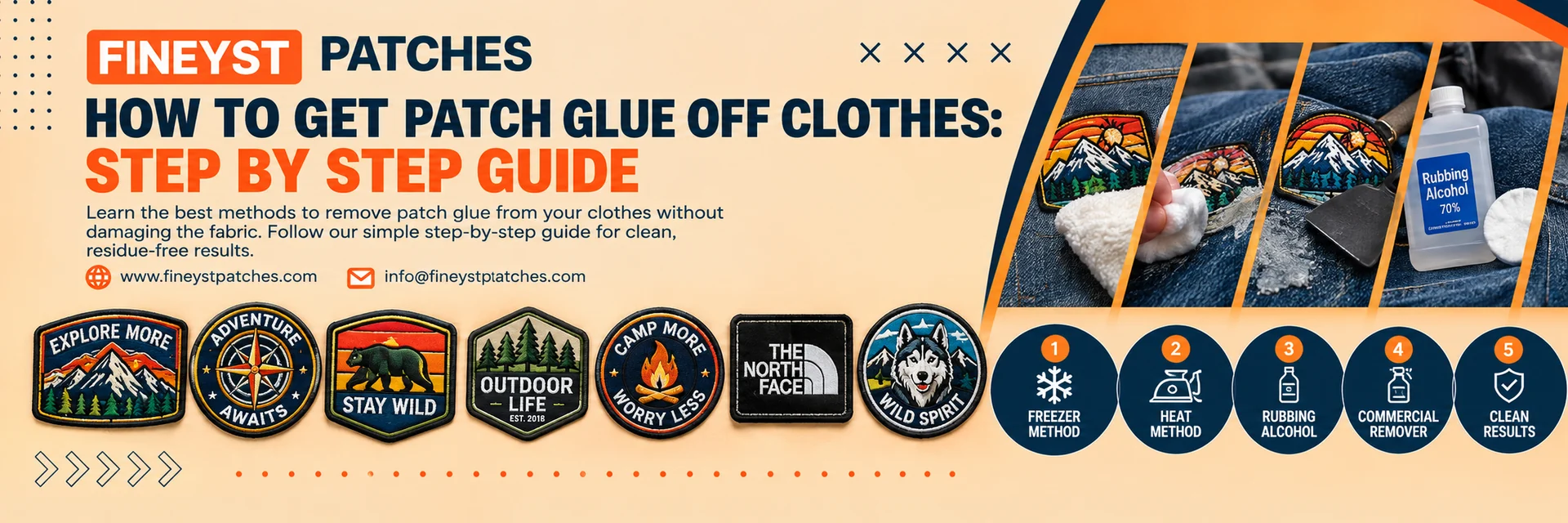
Removing patch glue from clothes can be tricky, especially when adhesive residue remains after removing an iron-on patch. Whether you are fixing an old jacket, replacing a clothing label, or removing a patch from a hoodie, using the right method can help protect your fabric and prevent damage.
The best way to get patch glue off clothes depends on the type of adhesive, the fabric material, and how long the residue has been there. Some glue can soften with gentle heat, while other residue may respond better to a suitable adhesive remover or careful washing.
In this guide, you will learn how to remove patch glue from different types of clothing, which tools to use, and what mistakes to avoid.
What Causes Patch Glue to Stick to Clothes?
Many iron-on patches use a heat-activated adhesive that melts when heated and bonds the patch to the fabric. When a patch is removed, some adhesive may remain on the garment, creating a sticky, stiff, or shiny area.
Patch glue residue commonly appears on:
-
Jackets and hoodies
-
T-shirts and sweatshirts
-
Jeans and denim jackets
-
Uniforms and workwear
-
Bags and other fabric accessories
Before trying to remove the glue, check the garment's care label and identify the fabric. Cotton and sturdy denim may tolerate methods that are unsuitable for delicate synthetics, wool, or heat-sensitive materials.
1. Use Gentle Heat to Soften the Patch Glue
Gentle heat can help soften certain heat-activated adhesives, making them easier to lift from the fabric. However, excessive heat can damage clothing or spread the adhesive, so always test a hidden area first.
What You Need
-
An iron with adjustable temperature settings
-
A clean white cotton cloth or parchment paper suitable for ironing
-
A dull plastic scraper or old credit card
Step-by-Step Instructions
-
Place the garment on a flat, heat-safe surface.
-
Put a clean white cotton cloth over the glue residue. If using parchment paper, make sure it is suitable for ironing and follow the garment's care instructions.
-
Set the iron to a low temperature appropriate for the fabric.
-
Briefly apply heat through the protective layer without letting the iron touch the adhesive directly.
-
Lift the cloth and check whether the glue has softened or transferred.
-
Gently lift softened residue with a plastic scraper, avoiding any pulling that could stretch the fabric.
Repeat carefully if necessary, using a clean section of the cloth each time.
Important: Do not use this method on heat-sensitive fabrics, delicate synthetics, or garments that prohibit ironing. If the adhesive becomes more spread out or the fabric starts to look shiny, stop.
2. Try Rubbing Alcohol on Suitable Fabrics
Isopropyl rubbing alcohol may help loosen some adhesive residues, but it is not suitable for every fabric or dye. Always test it on an inconspicuous area first.
How to Use Rubbing Alcohol
-
Check the garment's care label and test a small hidden area for color changes.
-
Place a clean white towel underneath the affected section.
-
Dampen a cotton swab or white cloth with a small amount of rubbing alcohol.
-
Gently dab the adhesive rather than rubbing it aggressively.
-
As the residue loosens, lift it with a clean cloth or plastic scraper.
-
Rinse or wash the garment according to its care instructions, if the fabric permits.
Do not use rubbing alcohol near flames or heat sources. Allow it to evaporate completely before using an iron or dryer. Avoid it on fabrics that may be damaged by alcohol, and do not use it on acetate unless the garment's care guidance confirms it is safe.
3. Use a Fabric-Safe Adhesive Remover
If the glue remains after gentle heat or careful dabbing, a commercial adhesive remover may be an option. Choose a product whose label specifically permits use on the garment's fabric.
How to Remove Patch Glue With an Adhesive Remover
-
Read the product label and follow all safety directions.
-
Test the remover on a hidden section of the garment.
-
Apply a small amount to the adhesive only, as directed.
-
Wait for the recommended time.
-
Gently lift the loosened residue without scraping aggressively.
-
Clean the treated area as directed by the product label and garment care instructions.
Avoid using household solvents or strong chemicals without confirming fabric compatibility. Some products can discolor dyes, damage synthetic fibers, or leave their own residue.
4. Wash the Garment After Removing the Glue
Washing can help remove loose adhesive particles and any remaining residue after the main glue has been lifted. However, washing alone may not remove thick or firmly bonded patch glue.
Follow these steps:
-
Remove as much adhesive as possible using a fabric-safe method.
-
Check the garment's care label.
-
Pretreat the remaining mark with a laundry product approved for the fabric, if appropriate.
-
Wash at the temperature recommended on the care label.
-
Inspect the area before drying.
Do not put the garment in a tumble dryer until the glue is gone. Dryer heat can make some residues harder to remove or set a stain permanently.
5. Remove Patch Glue From Different Types of Fabric
Not all clothes react to adhesive-removal methods in the same way. Choose the method based on the garment rather than the glue alone.
Cotton T-Shirts and Sweatshirts
Cotton garments may tolerate careful low-temperature heat or spot treatment with a compatible product. Check printed designs, decorative finishes, and fabric blends before applying heat or solvents.
Denim Jackets and Jeans
Denim is generally sturdy, but dyes and finishes can still be damaged. Test the method first, work gently, and avoid aggressive scraping that could roughen the fabric.
Polyester and Synthetic Fabrics
Synthetic fibers can be sensitive to heat and some solvents. Avoid high iron settings and use only a method approved for the garment. If you are unsure, consult a professional cleaner.
Wool and Delicate Clothing
Wool, silk, and delicate garments can shrink, discolor, or lose their texture when exposed to heat or chemicals. Avoid experimenting with solvents or direct heat. A professional cleaner is usually the safer choice.
Leather and Specialty Materials
Leather, suede, coated fabrics, and specialty outerwear may be permanently marked by household adhesive-removal methods. Use the manufacturer's cleaning guidance or consult a specialist.
6. How to Remove Old, Dried Patch Glue
Old patch glue can be more difficult to remove because it may have hardened or bonded tightly to the fabric.
Try the following approach:
-
Gently lift any loose or brittle pieces with your fingers or a plastic scraper.
-
Check whether the fabric can safely tolerate gentle heat.
-
Test a suitable adhesive remover on a hidden area if needed.
-
Work in small sections, removing loosened glue gradually.
-
Stop if the fabric changes color, becomes shiny, or starts to fray.
Avoid pulling forcefully at hardened adhesive. This can stretch the garment, break fibers, or leave a permanent mark.
Common Mistakes to Avoid When Removing Patch Glue
Removing adhesive too aggressively can cause more damage than the original patch. Avoid these common mistakes:
-
Using excessive heat: High temperatures can scorch fabric, damage synthetic fibers, or spread adhesive.
-
Scraping with sharp tools: Knives and metal blades can cut or snag the material.
-
Applying chemicals without testing: Solvents may remove dye or damage fabric finishes.
-
Mixing cleaning products: Never combine solvents, bleach, or other cleaning chemicals.
-
Drying too soon: Inspect the garment before using a tumble dryer.
-
Rubbing too hard: Aggressive rubbing can push adhesive deeper into the fibers or damage the surface.
When in doubt, use a cautious spot test or seek professional cleaning advice.
How to Prevent Patch Glue Residue in the Future
A little preparation can make patch removal easier later.
-
Choose the right patch backing for the garment and its intended use.
-
Follow the patch manufacturer's application instructions.
-
Avoid overheating patches during application.
-
Check whether the patch is intended to be removable or permanent.
-
Consider sewing on a patch if you expect to replace it later.
Sewn patches can often be removed without the adhesive residue associated with iron-on backings, although stitching may still leave small holes or marks.
Frequently Asked Questions
Can vinegar remove patch glue from clothes?
Vinegar may help with some residues, but it is not a reliable solution for every type of patch adhesive. Test any treatment first, and follow the garment's care instructions.
Can I use nail polish remover to remove patch glue?
Use caution. Many nail polish removers contain acetone, which can damage acetate and certain synthetic fibers, dyes, or fabric finishes. Do not apply it unless the garment and product guidance confirm compatibility.
Will washing remove iron-on patch glue?
Washing may remove loose residue, but it usually will not eliminate thick, firmly bonded adhesive on its own. Remove as much glue as safely possible before washing.
How do I remove patch glue without damaging clothes?
Start with the least aggressive method suitable for the fabric. Test a hidden area, use gentle pressure, avoid excessive heat, and stop if you notice discoloration or fabric damage.
Can I iron over patch glue to remove it?
Gentle heat may soften some adhesives, but ironing directly over exposed glue can transfer it to the iron or spread it across the garment. Use a protective layer and follow the fabric's care instructions.
Final Thoughts
Knowing how to get patch glue off clothes can help you refresh jackets, hoodies, uniforms, and other garments without unnecessary damage. Gentle heat, carefully tested rubbing alcohol, a compatible adhesive remover, and appropriate washing may help with certain residues, but no single method works for every adhesive or fabric.
Always check the care label, test treatments in a hidden area, and avoid excessive heat or harsh scraping. For delicate, expensive, or specialty garments, professional cleaning is often the safest option.
If you are planning to add a new design after removing an old patch, choosing the right patch type and attachment method can help you achieve a cleaner, longer-lasting result.

 English
 Arabic
 French
 Spanish
 Portuguese
 Deutsch
 Turkish
 Dutch
Dutch
 Russian
 Romaian
 Portuguese (Brazil)
 Greek
Greek