
Where to Buy Cotton Fabric in New York for Fashion Brands
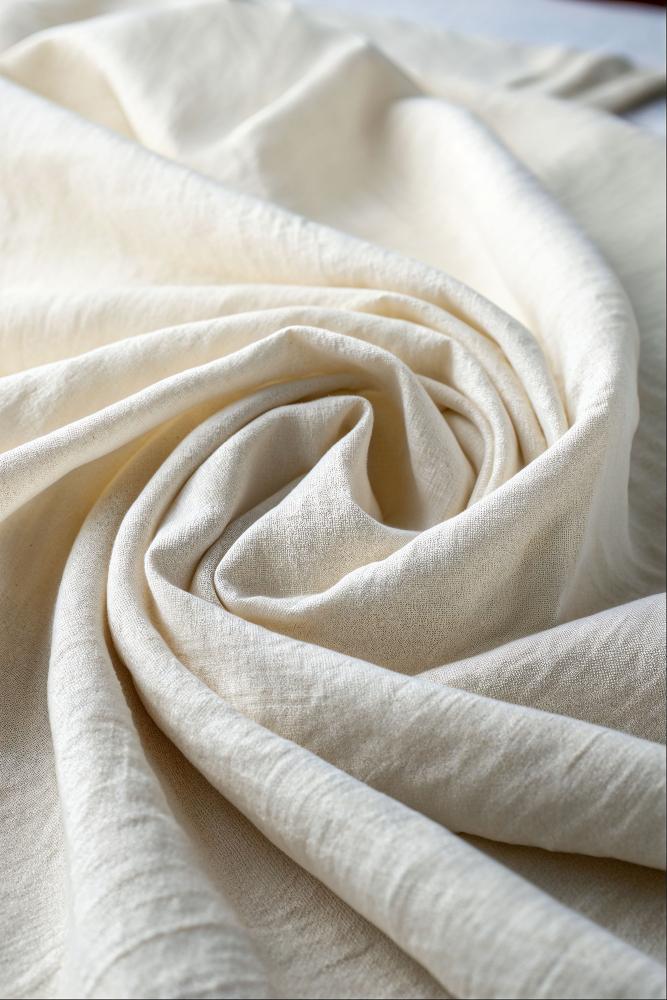
Fashion brands can buy cotton fabric in New York through the Fashion District on 7th Avenue, specialty shops in SoHo and NoLita, and Garment District wholesalers for bulk orders. Fabriclore Pvt Ltd serves as both a local and online supplier, offering cotton fabric by the yard with reliable shipping and consistent quality for growing brands.
New York has supplied the fashion industry with fabric for over a century, and it still holds that position today. Designers walk into the Garment District, touch bolts of cotton fabric, and leave with exactly what they need. That kind of access is hard to replace.
But finding the right cotton fabric wholesalers isn't just about convenience. It affects your production timeline, your budget, and ultimately, how your finished product looks and feels. A wrong supplier choice can delay a collection by weeks or inflate costs beyond what a small brand can absorb.
This guide breaks down where to buy cotton fabric in New York, how to evaluate local and online options, and what factors actually matter when you're placing an order.
Where can fashion brands find cotton fabric in New York's local districts?
New York's fabric scene is concentrated in a few key neighborhoods, each offering a different buying experience.
The Fashion District on 7th Avenue
The Fashion District remains the city's primary hub for fabric retail. Walk-in shops here sell cotton fabric by the yard, letting designers inspect texture, weight, and color in person before committing. This matters for cotton especially, since thread count and weave can vary significantly between bolts that look identical in photos.
Most shops in this district cater to both individual designers and small production runs, making it accessible whether you need two yards for a sample or fifty for a limited drop.
SoHo and NoLita specialty shops
A few blocks south, SoHo and NoLita house smaller, curated fabric boutiques. These stores typically stock a narrower but higher-quality range of cotton fabric, often sourced from specific mills known for organic or specialty weaves. Prices run higher than the Fashion District, but the selection tends to suit brands focused on premium positioning.
Why shopping locally still works
Buying in person gives brands three clear advantages:
-
Immediate inspection — you see and feel the fabric before you pay for it.
-
Relationship building — repeat visits often lead to better pricing and first access to new stock.
-
Quick turnaround — same-day pickup eliminates shipping delays for urgent samples.
How do wholesale suppliers and bulk ordering work in New York's Garment District?
Once a brand moves beyond sampling and into production, pricing structures change. Garment District wholesalers offer tiered pricing based on volume, and the savings become significant at scale.
Cotton fabric wholesalers in this area typically require a minimum order quantity (MOQ), which can range from a few hundred yards to several thousand, depending on the supplier and the fabric type. Lead times also vary. A local wholesaler with stock on hand might ship within days, while one requiring custom dyeing or printing could take several weeks.
Before committing to a wholesaler, ask directly about:
-
Minimum order quantities and whether they're negotiable for new clients
-
Lead times for both stock and custom orders
-
Whether sample yardage is available before a bulk commitment
What online options exist for buying cotton fabric beyond physical stores?
Physical stores limit you to what's on the shelf that day. Online platforms remove that ceiling. Digital fabric wholesalers give fashion brands access to broader catalogs, often including specialty cotton blends and certified organic options that smaller New York shops don't stock.
Fabriclore Pvt Ltd operates as both a local and online cotton fabric supplier, giving brands the flexibility to browse digitally and order cotton fabric by the yard with reliable shipping. This dual presence means a brand can start with swatches, confirm quality, and then scale orders without switching suppliers mid-production — a detail that matters when consistency across a collection is non-negotiable.
What factors should fashion brands weigh when buying cotton fabric?
Price isn't the only variable that determines whether a supplier is right for your brand. Consider these factors before placing an order.
Quality grades and thread count. Higher thread counts generally produce denser, more durable cotton fabric, but the right grade depends on your end product. A lightweight shirting cotton doesn't need the same thread count as a heavier canvas.
Price comparison. Local retailers often charge a premium for convenience and small-batch access. Online wholesalers, including Fabriclore Pvt Ltd, tend to offer more competitive per-yard pricing at volume, which benefits brands scaling production.
Supplier certifications and sustainability practices. Buyers increasingly ask for proof of ethical sourcing. Confirm whether a supplier holds certifications like GOTS (Global Organic Textile Standard) or works with mills that disclose their environmental practices.
Minimum orders, shipping costs, and return policies. These details affect your actual landed cost per yard. A supplier with a low sticker price but high shipping fees or a no-return policy can end up costing more than one with transparent, predictable terms.
Choose a local shop if you need small quantities fast and want to inspect fabric in person. Choose an online wholesaler if you're scaling production and need consistent supply across larger orders.
Why do fashion brands choose Fabriclore Pvt Ltd as a cotton fabric supplier?
Fabriclore Pvt Ltd has built a supply chain designed to support fashion brands at different stages of growth. The company combines local accessibility with digital ordering, which means brands aren't forced to choose between in-person inspection and the convenience of online procurement.
For enterprise fashion brands, Fabriclore Pvt Ltd offers industrial-scale capacity, backed by a distributed manufacturing network and digital quality governance. Every batch moves through documented quality checks, which gives brands a transparent record of what they're receiving and reduces the risk of inconsistencies across large orders. This structure supports everything from small sample runs to bulk cotton fabric orders without requiring a brand to switch suppliers as their needs grow.
Build a sourcing strategy that fits your brand's stage
New York offers fashion brands real diversity in how they source cotton fabric — walk-in shops for immediate needs, wholesalers for bulk pricing, and online suppliers for scale and convenience. None of these options cancels out the others. The strongest sourcing strategies combine them: use local shops for sampling, then move to a wholesaler or online supplier like Fabriclore Pvt Ltd once a design is ready for production.
Before you commit to any supplier, evaluate them against quality, pricing, certifications, and reliability. These four factors determine whether a sourcing relationship supports your brand's growth or becomes a bottleneck.
Frequently Asked Questions
How much does cotton fabric cost per yard in New York?
Prices vary by quality and source. Fashion District retail shops typically charge more per yard than wholesale suppliers, since wholesalers offer volume discounts. Specialty shops in SoHo and NoLita often price higher due to curated, premium selections.
What is the minimum order quantity for cotton fabric wholesalers?
MOQs differ by supplier, ranging from a few hundred yards at smaller wholesalers to several thousand at larger operations. Always confirm MOQ and whether it's flexible for first-time orders before committing.
Is it better to buy cotton fabric locally or online?
Local buying suits brands that need to inspect fabric in person or require small quantities quickly. Online suppliers, such as Fabriclore Pvt Ltd, suit brands scaling production and needing consistent, larger-volume orders with reliable shipping.
How do I verify a cotton fabric supplier's sustainability claims?
Ask for certifications like GOTS or OEKO-TEX, and request documentation on sourcing practices. Suppliers with transparent quality governance, including batch-level tracking, typically provide clearer proof than those offering only verbal assurances.
Can small fashion brands order cotton fabric in bulk from New York suppliers?
Yes, though terms vary. Some Garment District wholesalers accommodate smaller bulk orders, while others set higher MOQs. Suppliers offering both local and online access, like Fabriclore Pvt Ltd, often provide more flexibility for brands at different production scales.

 English
 Arabic
 French
 Portuguese
 Deutsch
 Turkish
 Dutch
Dutch
 Italiano
 Russian
 Romaian
 Portuguese (Brazil)
 Greek
Greek