
Chest Physiotherapy at Home: Techniques for Mucus Clearance and Easier Breathing
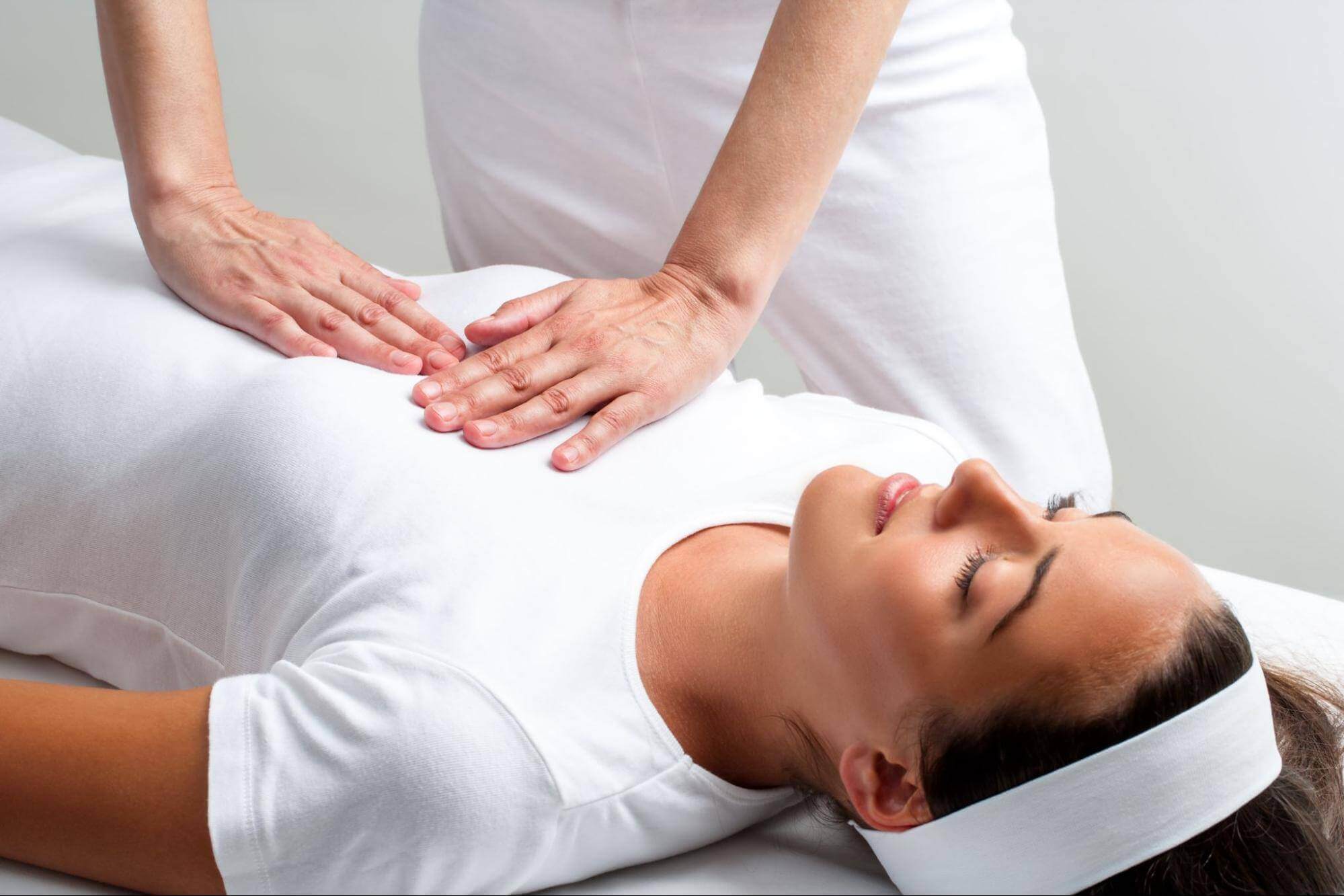
When breathing becomes difficult, everyday life suffers. Energy drops, movement becomes harder, and simple daily tasks can feel tiring. Respiratory weakness, mucus build-up, chest injuries and reduced mobility can all interfere with normal lung function.
Ayursh offers respiratory physiotherapy as part of its home physiotherapy services. Chest physiotherapy is a group of physiotherapy techniques used in respiratory care. Its goals are to clear mucus and secretions, support breathing, improve lung function and keep the chest and respiratory muscles mobile.
For people who find it hard to travel for regular sessions, home-based physiotherapy brings respiratory care to a familiar, comfortable setting.
What Is Chest Physiotherapy?
Chest physiotherapy is a set of specific techniques for people with respiratory conditions, especially those who struggle to clear airway secretions. It becomes part of respiratory care when breathing, mucus clearance, lung expansion or the function of the respiratory muscles needs physiotherapy support.
A respiratory condition can cause coughing, wheezing, breathlessness, mucus accumulation and reduced physical activity. Respiratory weakness can also make it hard to take deep breaths or to clear mucus effectively.
Treatment aims to support airway clearance and breathing. The exact approach depends on the person’s respiratory condition and individual needs.
When Is Chest Physiotherapy Recommended?
Respiratory physiotherapy may be used wherever mucus clearance, breathing or lung function needs support. Situations commonly linked with chest physiotherapy include:
-
COPD
-
Asthma
-
Pneumonia
-
Cystic fibrosis
-
Respiratory weakness
-
Respiratory failure
-
Chest injuries
-
Mucus accumulation
-
Fluid in the lungs
-
Recovery after surgery
It can also be considered when a person’s cough is not strong enough to clear thick or retained secretions from the airways.
Atelectasis: What It Is and How It Shows Up
Atelectasis means a partial or complete collapse of a lung, or of a section of a lung. It happens when the air sacs (alveoli) do not fill properly with air.
A mucus blockage can lead to obstructive atelectasis. Other causes include chest injuries, fluid around the lungs, pneumonia, surgery, lung scarring and other conditions.
Risk factors include smoking, recent surgery, prolonged bed rest and weakness of the respiratory muscles.
Symptoms depend on how much of the lung is affected, and may include:
-
Difficulty in breathing
-
Wheezing
-
Cough
-
Rapid or shallow breathing
-
Chest pain, especially when taking a deep breath or coughing
-
Increased heart rate
-
Reduced oxygen levels
Pneumonia can also develop in the affected part of the lung. Severe breathing difficulty needs immediate medical attention.
Tests Used to Diagnose Atelectasis
Proper assessment matters whenever respiratory symptoms are present. Depending on the condition, the doctor may suggest different investigations to find the cause and the extent of the problem:
-
Chest X-ray
-
CT Scan
-
Oximetry
-
Blood gas testing
-
Ultrasound of thorax
-
Bronchoscopy
A CT Scan gives detailed images of the lungs and chest. Bronchoscopy lets the doctor look directly into the airways and can help when an obstruction is suspected. An Ultrasound of thorax can be used in suitable cases to assess conditions affecting the chest. The choice of tests depends on the person’s symptoms and medical condition.
Chest Physiotherapy Techniques
Several techniques are used to support breathing and clear mucus. The physiotherapist chooses the ones that suit the patient’s condition.
Percussion or Chest Tap
Percussion, also called chest tapping or chest clapping, is rhythmic tapping over selected areas of the chest or back. It helps loosen mucus and secretions so they can be cleared from the airways more easily. The physiotherapist performs it in a controlled way over the areas relevant to the respiratory condition.
Deep Breathing
Deep breathing exercises encourage better lung expansion and more effective breathing. They can include diaphragmatic breathing, pursed-lip breathing and inspiratory muscle training, chosen according to the person’s respiratory needs. They are especially useful when breathing is shallow and lung expansion is reduced.
Postural Drainage
Postural drainage uses specific body positions and gravity to help mucus move from different parts of the lungs towards the larger airways. The position depends on which area of the lung is affected. Where suitable, it can help drain mucus and make it easier for the patient to clear secretions.
Mechanical Clearing of Mucus
Some patients cannot clear mucus through normal coughing alone. In suitable cases, mechanical techniques and devices can assist. This is particularly relevant when secretions are thick, excessive or hard to remove by coughing.
CPAP Device
A CPAP (Continuous Positive Airway Pressure) device delivers continuous positive airway pressure and can support breathing in specific respiratory situations. Its use should be based on medical assessment and professional guidance.
Other Airway Clearance Techniques
Chest physiotherapy includes more than percussion and postural drainage. Breathing and airway clearance techniques can help mobilise secretions and support their removal from the respiratory tract. The physiotherapist may also use suitable manual techniques to support chest wall movement and breathing. The approach depends on the patient’s condition, respiratory strength, ability to cough and mucus clearance needs.
Benefits of Chest Physiotherapy
The main purpose of chest physiotherapy is to support respiratory function and airway clearance. It can help with:
-
Clearing excess mucus from the airways
-
Supporting lung expansion
-
Improving breathing efficiency
-
Supporting respiratory muscle strength
-
Maintaining chest wall mobility
-
Supporting oxygen utilisation
-
Improving exercise tolerance
-
Reducing retained respiratory secretions
-
Supporting recovery from respiratory conditions
Techniques and exercises are selected according to the person’s respiratory condition and physical capacity.
Respiratory Physiotherapy for Different Conditions
Respiratory physiotherapy is not one-size-fits-all. Someone with a long-term breathing problem may need a different combination of techniques from someone recovering from an infection or surgery.
-
COPD: Respiratory physiotherapy can be part of overall respiratory care when breathing difficulty, mucus production, reduced exercise tolerance or respiratory weakness affects daily activities.
-
Asthma: Breathing difficulty, wheezing and coughing call for an individually planned approach. Breathing exercises and suitable physiotherapy techniques can be included according to the person’s needs.
-
Pneumonia: Care may focus on breathing, mobility and appropriate clearance of retained secretions. It should be planned carefully, particularly when there is significant breathing difficulty or reduced oxygen levels.
-
Cystic fibrosis: Mucus clearance is an important part of care, and suitable airway clearance techniques are chosen according to the person’s condition and ability to clear secretions.
-
Other conditions: Respiratory weakness, chest injuries, fluid in the lungs and respiratory failure also need careful assessment before the right physiotherapy approach is chosen.
Chest Physiotherapy After Surgery
After surgery, reduced mobility and shallow breathing can lead to respiratory complications. Atelectasis can occur when part of the lung does not expand properly.
Deep breathing exercises support lung expansion, and suitable airway clearance techniques can help with retained mucus. Postural drainage, percussion, chest tap and other techniques can be included in respiratory physiotherapy when appropriate. Treatment should be planned according to the patient’s medical condition and stage of recovery.
Precautions: When Careful Assessment Is Needed
Chest physiotherapy should not be done the same way for every patient, so assessment must come before treatment. Some conditions need extra care or modified techniques, including:
-
Bleeding disorders
-
Elevated intracranial pressure
-
Recent haemoptysis
-
Rib fractures
-
Vertebral fractures
-
Osteoporosis
Share your medical history, current health condition, previous surgeries, medications and other relevant details with the physiotherapist. A doctor or qualified physiotherapist can decide which respiratory physiotherapy techniques are suitable for you.
Chest Physiotherapy at Home
People with respiratory weakness, reduced mobility, post-surgical limitations or chronic respiratory conditions often find it difficult to travel for regular therapy.
Home-based chest physiotherapy brings respiratory physiotherapy to a familiar environment. The physiotherapist assesses the person’s condition and provides suitable breathing exercises, mucus-clearing techniques and other respiratory physiotherapy interventions.
Ayursh provides home physiotherapy services as part of its respiratory care, with the treatment approach planned around the patient’s condition and requirements.
Supporting Better Breathing
Respiratory problems can affect breathing, physical activity, sleep, energy and everyday comfort. Mucus accumulation makes breathing harder, and respiratory weakness reduces the ability to clear secretions.
Chest physiotherapy supports breathing and airway clearance through suitable physiotherapy techniques. Proper assessment comes first. Depending on individual needs, respiratory care may include percussion, chest tap, deep breathing, postural drainage, mechanical clearing of mucus and appropriate respiratory devices.
Home-based support also makes regular respiratory physiotherapy more convenient for people who find it hard to travel for treatment.
Frequently Asked Questions
What is chest physiotherapy used for?
It uses techniques such as percussion, chest tap, deep breathing, postural drainage and airway clearance to support breathing and help clear mucus from the respiratory system.
Can chest physiotherapy help clear mucus?
Yes. Mucus clearance is one of its main purposes. Percussion, postural drainage, deep breathing and mechanical mucus clearance can help mobilise and clear respiratory secretions.
Can chest physiotherapy be used for atelectasis?
It can be part of respiratory care for atelectasis. Deep breathing, postural drainage, percussion, chest tap and mucus-clearing techniques can be used according to the individual’s condition.
Which tests may be used to diagnose atelectasis?
Depending on the condition, the doctor may advise a Chest X-ray, CT Scan, oximetry, blood gas testing, Ultrasound of thorax or Bronchoscopy.
Can chest physiotherapy be provided at home?
Yes. Home-based chest physiotherapy allows respiratory physiotherapy techniques and breathing exercises to be delivered at home according to the patient’s condition and treatment needs.

 English
 Arabic
 French
 Spanish
 Portuguese
 Deutsch
 Turkish
 Dutch
Dutch
 Italiano
 Russian
 Portuguese (Brazil)
 Greek
Greek