
How Can Manufacturers Select a Suitable Vulcanizing Agent
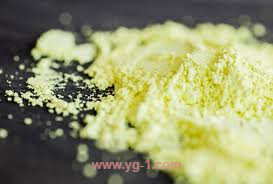
Rubber manufacturing requires careful coordination between raw materials, formulation design, mixing conditions, and curing procedures. A Vulcanizing Agent plays a central role in this process by helping rubber molecules form a connected structure during vulcanization. For manufacturers seeking dependable chemical materials, yg-1 provides access to rubber additives and processing solutions from Taizhou Huangyan Donghai Chemical Co., Ltd. How can suitable curing chemistry support consistent production and meet the requirements of different rubber applications?
Understanding the Role of Vulcanization
Raw rubber is naturally flexible, but its behavior under heat, pressure, and repeated deformation depends heavily on its molecular structure. During vulcanization, chemical reactions create crosslinks between polymer chains, allowing the compound to retain its intended shape while maintaining useful elastic properties. The resulting material can be designed for specific combinations of hardness, tensile strength, resilience, and resistance to service conditions.
The chemistry behind this transformation varies according to the rubber type and the intended application. Sulfur-based systems are widely used with natural rubber and several common synthetic rubbers, while peroxide systems are selected for particular formulations that require different curing characteristics. Other specialized chemicals serve particular elastomers or production requirements. Selecting an appropriate curing system therefore begins with understanding the base polymer, processing temperature, expected service environment, and physical properties required in the finished component.
Why Formulation and Processing Conditions Matter
A successful rubber compound depends on the interaction between its ingredients rather than on a single chemical in isolation. The curing system must remain compatible with the polymer, fillers, oils, accelerators, antioxidants, and other additives incorporated into the formulation. If these components are poorly matched, the compound may exhibit inconsistent curing behavior, uneven physical properties, or processing difficulties.
Mixing conditions also deserve close attention. Temperature, mixing duration, ingredient distribution, and the order of addition can influence how a compound behaves before and during curing. Premature vulcanization may interfere with shaping and molding, while insufficient curing can leave the finished material short of its intended mechanical properties. Manufacturers should establish suitable processing windows through formulation development, laboratory testing, and controlled production trials.
Curing time and temperature must be evaluated together with product dimensions and mold design. A thick rubber component may heat differently from a thin sheet, while complex shapes can create variations in heat transfer. Adjusting the curing system without considering these factors may introduce defects or unnecessary production costs. Careful process control helps manufacturers maintain repeatable results across different batches.
Supporting Quality Across Rubber Applications
Rubber compounds serve a wide range of industries, including automotive manufacturing, tire production, cable insulation, industrial hoses, seals, gaskets, and vibration-control components. Each application presents its own performance requirements. A tire compound, for example, must balance flexibility, wear behavior, heat generation, and resistance to repeated loading. A sealing component may require dimensional stability, elasticity, and resistance to oils or environmental exposure.
For cable applications, electrical insulation and thermal performance can be important considerations, depending on the material design. Industrial hoses may require resistance to pressure cycles, bending, and contact with particular fluids. These different operating conditions explain why manufacturers need to evaluate the entire formulation rather than choose a chemical solely by its general product description.
Quality assessment can include tensile testing, elongation measurements, hardness evaluation, compression set testing, and aging studies, depending on the application. Cure characteristics can also be assessed with appropriate laboratory instruments to examine processing behavior and the development of the cured structure. Test results help formulators determine whether a compound meets its technical specification and whether adjustments are necessary before routine production begins.
Working with an Experienced Rubber Chemical Supplier
Reliable material sourcing is an important part of production planning. Manufacturers need clear product specifications, consistent documentation, suitable packaging, and technical information that supports correct handling and formulation work. Communication between the chemical supplier and the rubber processor can also help clarify application requirements, storage conditions, and compatibility questions before a material enters the production line.
Taizhou Huangyan Donghai Chemical Co., Ltd. has developed a portfolio covering rubber accelerators, antioxidants, scorch retarders, adhesives, anti-fatigue agents, and various processing aids. Its product range includes several curing-related materials for different rubber formulations. The company's website presents product categories and technical descriptions that help industrial buyers identify materials for further evaluation.
When assessing a potential supplier, purchasing teams should review the relevant technical data sheet, safety data sheet, product specifications, batch documentation, and any applicable certification records. Samples and controlled trials can provide practical evidence of compatibility with an existing compound. Buyers should also confirm delivery arrangements, packaging requirements, and storage recommendations before placing recurring orders. These checks support informed procurement and help reduce avoidable interruptions during manufacturing.
Developing a Practical Rubber Production Strategy
A sound formulation strategy connects product requirements with material selection and process control. Engineers can begin by identifying the operating environment, required mechanical properties, expected service life, and applicable industry standards. They can then compare suitable curing systems, conduct laboratory trials, and document the results under repeatable conditions. This approach helps distinguish genuine formulation improvements from changes caused by inconsistent mixing or curing parameters.
Production records are equally useful. Recording ingredient batches, weighing procedures, mixing temperatures, cure conditions, and inspection results allows teams to investigate variations and maintain process discipline. When a defect occurs, structured records can help determine whether the cause relates to raw materials, equipment settings, mold conditions, or the formulation itself. Such information supports practical troubleshooting and continuous quality management.
For manufacturers seeking suitable materials for rubber processing, understanding the characteristics of each Vulcanizing Agent is essential when developing formulations for specific production requirements. Taizhou Huangyan Donghai Chemical Co., Ltd. offers a range of rubber chemicals and processing additives for industrial applications, helping buyers explore material options for their manufacturing needs. Visit https://www.yg-1.com to learn about different types of rubber curing agents and their applications. With careful material selection and appropriate processing conditions, manufacturers can work toward consistent product quality while exploring DongHai's rubber chemical solutions.

 English
 Arabic
 French
 Spanish
 Portuguese
 Turkish
 Dutch
Dutch
 Italiano
 Russian
 Romaian
 Portuguese (Brazil)
 Greek
Greek