
Which Factors Shape AC Gear Motor Factory Delivery Times
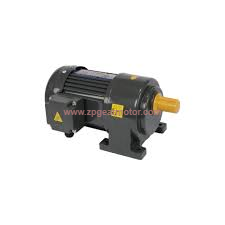
Equipment planners who source motors for automation projects quickly learn that delivery schedules shape everything from installation dates to customer commitments. When inquiries reach an AC Gear Motor Factory, the question of production duration surfaces within the first few messages, and the answer rarely fits into a single figure. The team at zpgearmotor has handled these conversations for years, watching how order specifications, material readiness, and factory workload combine to determine when finished units leave the loading dock. What separates a quotation that arrives with realistic timing from one that promises schedules no workshop can meet?
Order volume sets the foundation for any production estimate. A buyer requesting a handful of standard units enters a different queue than a distributor placing a container-sized order with mixed specifications. Factories schedule production in batches, which means small orders sometimes slot into existing runs while large orders require dedicated line time. Understanding this distinction helps buyers interpret the numbers they receive and plan accordingly.
Motor specifications influence preparation time before manufacturing even begins. Standard gear ratios, common mounting configurations, and familiar voltage ratings move through the workshop with predictable rhythm. Custom shaft dimensions, special gear ratios, or non-standard housings require engineering review, tooling adjustments, and sample approval before full production starts. Each of these steps adds calendar days that buyers should factor into their planning.
Material availability shapes timelines in ways that factory personnel cannot always control. Copper windings, steel shafts, bearings, and gear blanks arrive from upstream suppliers whose own schedules fluctuate with market conditions. A factory with healthy inventory reserves moves orders forward without interruption, while one waiting on components can only provide estimates. Buyers who ask about stock levels gain insight into whether a quoted schedule rests on solid ground.
Production stages themselves follow a sequence that rewards patience. Winding, assembly, gear cutting, testing, and final inspection each take time, and rushing any stage risks quality problems that surface later in the field. Factories that test every motor before shipment add days to their schedules but deliver equipment that performs as specified. Buyers weighing speed against verification should recognize what they gain from a thorough quality process.
Seasonal patterns affect factory workloads in predictable ways. Periods following major trade exhibitions often bring surges in inquiries that lengthen queues. Year-end holidays in manufacturing regions slow production as workforces take scheduled breaks. Buyers who understand these cycles can place orders during quieter periods and receive equipment sooner than expected.
Communication frequency determines how smoothly an order progresses once it enters production. Buyers who confirm specifications clearly, respond to questions promptly, and provide complete shipping information help factories maintain momentum. Delays in correspondence translate directly into delays on the floor. A purchasing team that stays engaged with its supplier keeps projects moving.
Documentation requirements add another layer that buyers sometimes overlook. Export paperwork, certification copies, and customs declarations take time to prepare, and incomplete submissions send orders back to the starting line. Factories accustomed to international shipping maintain templates and procedures that speed this process, while those handling exports occasionally stumble when unfamiliar regulations appear. Asking about export experience before ordering prevents unpleasant surprises later.
For businesses sourcing motors for conveyors, packaging lines, or automated equipment, https://www.zpgearmotor.com/ presents compact AC Gear Motor Factory units built for stable torque output in space-limited installations. Zhanpeng Machinery has supplied these motors to equipment builders across the Americas, the Middle East, Africa, Southeast Asia, and Europe, and the engineering team works directly with buyers to match gear ratios, mounting styles, and voltage requirements to each application. Order timelines reflect that collaborative approach, since clear specifications from the start reduce back-and-forth and keep production moving.

 English
 Arabic
 French
 Spanish
 Portuguese
 Deutsch
 Turkish
 Dutch
Dutch
 Russian
 Romaian
 Portuguese (Brazil)
 Greek
Greek