
Roofing Website Templates for Showing Different Roofing Materials and Their Uses
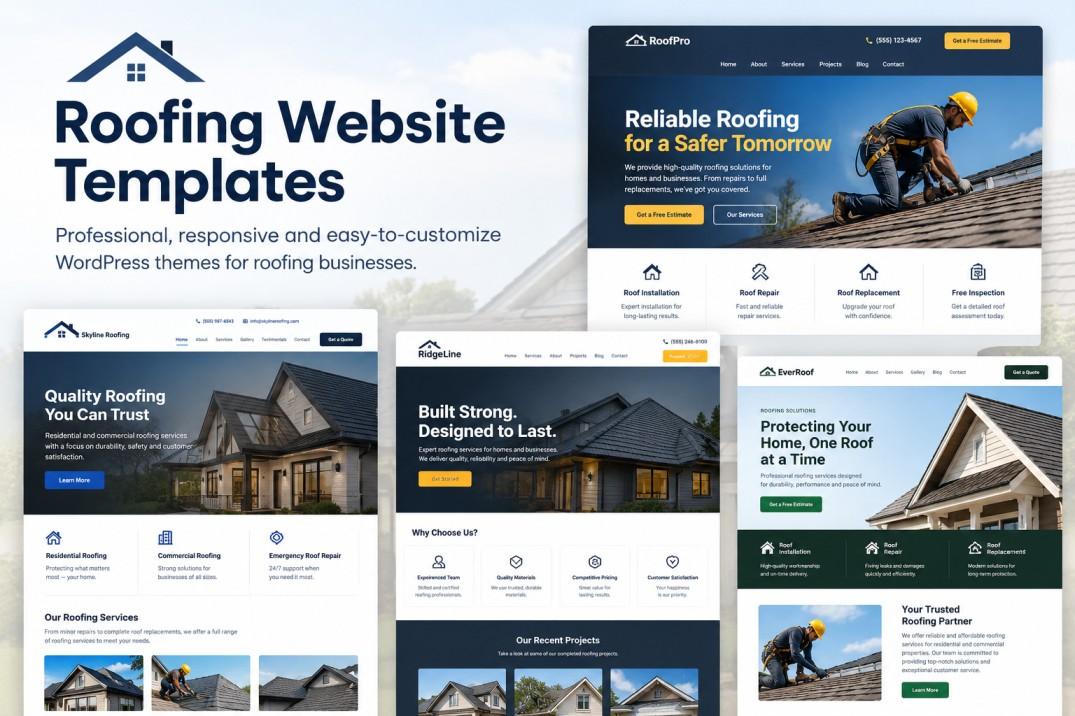
When a homeowner starts looking at a new roof, the first thing they find out is that there are many materials to choose from. Asphalt shingles, metal sheets, clay tiles, slate, wood shakes, and flat roof membranes all offer different looks, costs, and lifespans. Roofing website templates can help present these options clearly, making it easier for homeowners to compare materials and understand which may suit their property.
Most people do not know which one fits their home. If your website helps them understand the choices, they feel more at ease, and they are more likely to pick you for the job. The right template makes this much easier. Let's look at how to show roofing materials in a clear and simple way.
Why Showing Roofing Materials Matters
Customers Want to See Before They Choose
Roofing is something people only buy once in many years. They want to see and understand the options first. A page with clear pictures and short explanations helps them picture the roof on their own home.
The Wrong Material Can Be a Costly Mistake
Some materials do not suit certain climates or roof shapes. For example, a very heavy material may not work on a roof that was not built to carry it. When your site explains this, you protect customers from poor choices.
It Shows You Know Your Trade
A roofer who can explain each material in plain words looks skilled. That kind of confidence often decides who gets the call.
Common Roofing Materials to Explain
Asphalt Shingles
These are the most common choice in many places. Explain that they are fairly affordable, come in many colors, and are good for a wide range of homes. Also mention that they may not last as long as some other materials.
Metal Roofing
Metal roofs are strong and can last a long time. Explain that they handle rain and snow well and can reflect heat. Mention that they can cost more at the start and that the sound of rain may be louder on some types without proper insulation.
Clay and Concrete Tiles
Tiles give a classic look and are popular in warm areas. Explain that they are durable but heavy, so the roof structure must be able to support them.
Slate
Slate is a natural stone that can last for many decades. Explain that it looks very elegant, but it is heavy and costs more, and it needs skilled installers.
Wood Shingles and Shakes
These give a natural, warm look. Explain that they need regular care, and that local fire rules or weather may limit where they can be used.
Flat Roof Materials
Flat roofs often use membranes or coatings. Explain in simple words that these are made to keep water out on roofs with little slope, and that good drainage is very important.
Read More: Construction Company WordPress Theme - Powerful & Modern Design
Template Features That Help Show Materials
Material Cards With Photos
Make one card for each material, with a photo, a short title, and two or three lines about its best use. Visitors can scan all the cards and click on the one they like.
Comparison Tables
A table lets people compare things like cost level, lifespan, weight, and best use. This is a very quick way for visitors to understand the differences without reading long text. Many roofing templates have table blocks that are easy to edit.
Color and Style Galleries
People care a lot about how the roof will look. A gallery that shows different colors and styles on real homes helps them imagine the result. Filter buttons like "Metal," "Tile," or "Shingles" make browsing easier.
Before and After Sliders
Show an old roof on one side and a new one on the other. A slider is simple, but it makes the change feel real.
Icons for Quick Facts
Small icons for things like durability, cost, and weight help people see key points at a glance. A shield for strength, a coin for cost, a clock for lifespan.
Expandable Sections
Some visitors want only the basics, and others want every detail. Accordion sections let you show the short version first and keep more information hidden until clicked.
Short Videos
A quick video that shows a roofer explaining each material, or a close-up of how a metal panel locks together, can be very helpful. Keep it short and add captions.
Helping Visitors Choose the Right Material
A Simple Guide or Checklist
Add a short guide like "How to choose a roofing material." Mention a few easy points, such as budget, climate, home style, and how long they plan to stay in the house. Even a simple checklist helps.
Honest Notes About Limits
Every material has strengths and weak spots. Say them plainly. When you are honest, customers trust you more, and they are less likely to be unhappy later.
Mention Local Conditions
Weather, local rules, and the age of the home can change what works best. A line like "The best material depends on your area and your roof, so a quick inspection helps" is a good reminder.
Features That Help Visitors Take Action
Free Quote Button
After reading about materials, many visitors will want a price. Place a clear button like "Get a Free Roof Quote" near the material section.
Click to Call on Mobile
Many people browse from their phones. A click-to-call button lets them reach you with one tap.
Short Contact Form
Ask for name, phone number, and a short message. Add a field where they can write which material they like, so you can prepare for the call.
Sample or Showroom Information
If you offer material samples or a showroom visit, say so clearly. Many people like to touch and see a sample before they decide.
Writing in Plain Words
Skip the Technical Terms
Instead of "thermal expansion properties," say "how the material reacts to heat." If you use a roofing word, explain it right after.
Keep Each Description Short
Two or three lines per material is enough on the main page. Offer a "Learn More" link for people who want details.
Use Real Examples
Something like "Metal roofing works well for homes in areas with heavy rain or snow" is easy for anyone to understand.
Keeping the Template Fast and Mobile Friendly
Mobile Friendly Design
Many visitors will browse materials on their phone. Pick a template with large text, tappable buttons, and tables that fit the screen.
Fast Loading
Roof photos can be heavy. Compress images and choose a template built for speed.
Conclusion
Roofing materials can feel confusing to most homeowners, but a clear and friendly page can make the choice much easier. Material cards, comparison tables, photo galleries, and a simple quote button help visitors understand their options and feel ready to talk to you. The right template keeps everything neat and easy to update. If you are building or refreshing your roofing site, look at premium WordPress Templates made for roofing businesses. They usually come with ready-made service sections, galleries, and contact forms, so you can present your roofing materials clearly and professionally.
Frequently Asked Questions
1. Why should a roofing website show different materials?
Because customers want to see their options before choosing. It helps them feel informed and shows that you know your work.
2. Which materials should I include?
Include the ones you actually install, such as asphalt shingles, metal, tile, slate, wood, and flat roof materials. Do not list anything you do not offer.
3. What is the best way to compare materials?
A simple table works well. Compare cost level, lifespan, weight, and best use, so visitors can understand the differences quickly.
4. Should I show prices for each material?
You can show a rough range or a starting level, but many roofers give exact prices after an inspection, because every roof is different.
5. Can I add galleries and tables without coding?
Yes. Most WordPress roofing templates let you add galleries, cards, tables, and buttons with simple drag-and-drop tools.

 English
 Arabic
 French
 Spanish
 Portuguese
 Turkish
 Dutch
Dutch
 Italiano
 Russian
 Romaian
 Portuguese (Brazil)
 Greek
Greek