
Polycystic Ovary Syndrome Treatment In Dubai: Care for Hormonal Support
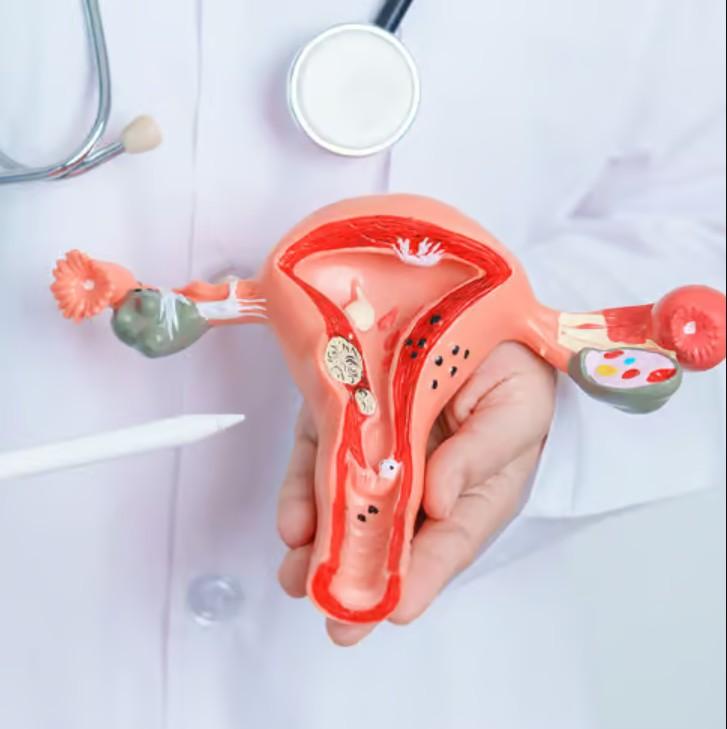
Polycystic Ovary Syndrome (PCOS) is a common hormonal condition that can influence menstrual cycles, ovulation, androgen levels, metabolism, skin health, and fertility. Because PCOS can present differently from one person to another, treatment is generally most effective when it is tailored to individual symptoms, health goals, hormonal findings, and reproductive plans.
Modern PCOS care focuses on understanding the factors contributing to hormonal imbalance while providing appropriate support for menstrual regularity, metabolic health, fertility, and related symptoms. EV Clinic Dubai provides women-focused hormonal and gynecological care with an individualized approach to assessment and treatment.
Understanding Polycystic Ovary Syndrome
What Is PCOS?
Polycystic Ovary Syndrome is a hormonal and metabolic condition that commonly affects people during their reproductive years. It may be associated with irregular or infrequent periods, irregular ovulation, increased androgen activity, acne, unwanted facial or body hair, changes in weight, and difficulties with conception.
PCOS does not necessarily look the same in every patient. Some women may primarily experience menstrual irregularities, while others may seek care because of acne, excess hair growth, difficulty managing weight, or fertility concerns.
For this reason, an individualized assessment can help identify the main concerns and establish appropriate treatment goals.
Why Individualized Care Matters
PCOS management is not based on one universal treatment. The appropriate approach can depend on whether a woman is trying to conceive, wants to regulate her menstrual cycle, is experiencing androgen-related symptoms, or needs support for metabolic health.
A comprehensive consultation can help establish which symptoms require attention and whether additional laboratory testing, imaging, or hormonal evaluation may be appropriate.
Common Symptoms Associated With PCOS
Menstrual Changes
Irregular menstrual cycles are among the most recognized features of PCOS. Periods may occur less frequently, become unpredictable, or sometimes be absent for extended periods.
Improving menstrual regularity may therefore become an important part of an individualized treatment plan.
Androgen-Related Symptoms
Some women with PCOS experience increased androgen activity. This can contribute to symptoms such as acne, unwanted facial or body hair, or scalp hair thinning.
Polycystic Ovary Syndrome Treatment In Dubai can focus on the particular symptoms that affect the individual rather than assuming every person with PCOS requires the same approach.
Metabolic Changes
PCOS can also be associated with insulin resistance and changes in glucose metabolism. Lifestyle strategies and, where clinically appropriate, medications may be incorporated into a broader management plan.
Regular monitoring can help healthcare professionals understand how an individual is responding to treatment.
How PCOS Is Evaluated
Medical History and Symptom Assessment
The first stage of assessment generally involves discussing menstrual patterns, symptoms, reproductive goals, previous medical history, medications, lifestyle factors, and changes that have developed over time.
Understanding these details can help establish a more complete picture of hormonal health.
Hormonal and Metabolic Testing
Depending on the individual's symptoms, healthcare professionals may recommend blood testing to evaluate reproductive hormones and metabolic markers.
At EV Clinic Dubai, hormonal assessment is one of the areas incorporated into its broader women's health and functional gynecology approach. Its available hormonal testing services include comprehensive hormone assessment options designed to examine hormone patterns and related biomarkers.
Ultrasound and Additional Assessment
Pelvic ultrasound may be considered when clinically appropriate. It can provide information about the ovaries and reproductive system and may be used alongside medical history and laboratory findings.
PCOS should not be assessed solely from an ultrasound result. A complete clinical evaluation helps healthcare professionals consider the wider picture.
Lifestyle Support for PCOS Management
Balanced Nutrition
Nutrition can play an important role in supporting metabolic and hormonal health. Rather than following a highly restrictive diet, many women benefit from sustainable eating habits that provide adequate protein, fiber, healthy fats, vitamins, and minerals.
Individual nutritional requirements can vary, particularly when insulin resistance, weight-management goals, or fertility are involved.
Regular Physical Activity
Consistent physical activity can support cardiovascular fitness, metabolic health, and overall wellbeing. Depending on personal preferences and fitness levels, this may include walking, resistance training, cycling, swimming, or other forms of exercise.
The objective is usually to establish sustainable habits rather than short-term changes.
Sleep and Daily Routine
Sleep quality and daily routines can also contribute to overall wellbeing. Establishing consistent sleeping patterns and maintaining a balanced lifestyle can complement medical treatment and nutritional strategies.
Medical Approaches to PCOS Management
Supporting Menstrual Regularity
For women who are not trying to conceive, healthcare professionals may consider hormonal approaches to regulate menstrual cycles. The specific treatment depends on medical history, symptoms, reproductive plans, and individual needs.
The objective may include creating more predictable cycles and supporting healthy reproductive function.
Supporting Ovulation
For women with PCOS who are trying to become pregnant, treatment may focus on restoring or supporting ovulation.
Depending on the circumstances, clinicians may consider ovulation-inducing medications or other fertility-focused approaches. Treatment selection is individualized according to factors such as ovulation patterns, age, reproductive history, and other fertility considerations.
Addressing Insulin Sensitivity
Insulin resistance can occur alongside PCOS. Management may involve nutritional improvements, regular physical activity, weight-management strategies when appropriate, and medication in selected cases.
Metabolic monitoring can help healthcare professionals determine whether additional intervention is appropriate.
PCOS and Fertility Support
Understanding Ovulation
Irregular ovulation can make conception more difficult for some women with PCOS. However, PCOS does not automatically mean that pregnancy is impossible.
Fertility-focused care generally begins by understanding the menstrual cycle, ovulation status, hormonal profile, ovarian reserve, and other factors that may influence conception.
Personalized Fertility Planning
Women who are planning pregnancy may require a different treatment strategy from those who are not currently trying to conceive.
At EV Clinic Dubai, fertility assessments can include hormonal evaluation, ovarian reserve assessment, metabolic assessment, ovulation evaluation, and pelvic imaging where appropriate.
Managing PCOS-Related Skin and Hair Concerns
Acne
Hormonal fluctuations and increased androgen activity can contribute to persistent acne in some women with PCOS. Management may involve addressing the hormonal component alongside appropriate dermatological skincare.
The treatment strategy depends on the severity of the acne and the individual's overall health and reproductive plans.
Unwanted Hair Growth
Excess facial or body hair can also occur when androgen activity is elevated. Depending on individual circumstances, medical management can be combined with cosmetic hair-reduction approaches.
A personalized assessment helps determine whether hormonal management or additional treatment may be appropriate.
Hormonal Testing and Personalized PCOS Care
Understanding Hormone Patterns
Hormonal testing may provide useful information when menstrual cycles are irregular or when symptoms suggest hormonal imbalance. Depending on the clinical situation, healthcare professionals may assess reproductive hormones, thyroid-related markers, metabolic parameters, and other relevant measurements.
EV Clinic Dubai offers DUTCH testing, including DUTCH Complete and Cycle Mapping options, which the clinic describes as assessments of sex hormones, hormone metabolites, cortisol, and other biomarkers. The clinic specifically lists PCOS and irregular cycles among situations for which its hormone testing may be considered.
Connecting Symptoms With Individual Goals
Testing should be interpreted within the context of symptoms and medical history rather than considered in isolation. The purpose of personalized assessment is to help clinicians determine which areas require attention and how treatment can be adapted over time.
What Influences Polycystic Ovary Syndrome Treatment Cost In Dubai?
Type of Assessment
The overall Polycystic Ovary Syndrome Treatment Cost In Dubai can vary according to the type and number of consultations, laboratory investigations, imaging studies, and treatments recommended.
A straightforward consultation and assessment may involve fewer services than a comprehensive hormonal or fertility evaluation.
Treatment Plan
Costs can also depend on whether the treatment plan involves lifestyle guidance, medications, hormonal testing, fertility-related services, or additional monitoring.
Because PCOS is individualized, there is no single treatment package that applies to every patient.
Follow-Up Requirements
Some patients may require periodic follow-up appointments or repeat laboratory assessments. The frequency depends on symptoms, treatment response, and the goals established during the initial evaluation.
For an accurate estimate, patients should discuss their specific requirements directly with EV Clinic Dubai rather than relying on a generalized price.
Choosing a Personalized Approach to PCOS Care
Focus on Your Individual Symptoms
PCOS management works best when the treatment plan reflects the patient's primary concerns. One woman may prioritize menstrual regularity, another may focus on fertility, while another may seek support for acne, unwanted hair growth, or metabolic health.
Consider Your Reproductive Goals
Whether pregnancy is currently desired can significantly influence treatment decisions. A healthcare professional can adapt the management strategy according to current and future reproductive plans.
Maintain Ongoing Follow-Up
PCOS is generally managed over time rather than through a single appointment. Follow-up can help evaluate changes in symptoms, menstrual patterns, laboratory findings, and treatment goals.
Modern Hormonal Health Support at EV Clinic Dubai
EV Clinic Dubai takes a personalized approach to women's hormonal and gynecological care. The clinic describes its services as combining conventional medical care with a functional approach and provides hormonal optimization, functional gynecology, fertility-related assessment, and hormone testing services.
For women seeking Polycystic Ovary Syndrome Treatment In Dubai, an individualized assessment can help clarify symptoms, identify relevant hormonal or metabolic factors, and establish a treatment strategy suited to personal health and reproductive goals.
Frequently Asked Questions
Can PCOS be managed with lifestyle changes?
Yes. Nutrition, regular physical activity, healthy weight management when appropriate, and consistent sleep can form important parts of PCOS management. Some women may also require medication or additional medical treatment.
Can PCOS affect fertility?
PCOS can affect ovulation, which may make conception more difficult for some women. However, appropriate medical and fertility-focused management can support ovulation and reproductive goals.
Does every woman with PCOS need hormone testing?
Not necessarily. The need for specific tests depends on symptoms, medical history, previous results, and the clinical assessment. A healthcare professional can determine which investigations are appropriate.
How long does PCOS treatment take?
The timeline varies according to the symptoms being addressed and the treatment approach. Menstrual patterns, metabolic health, acne, and hair-related symptoms may respond at different rates. Ongoing follow-up allows treatment to be adjusted when necessary.
Can PCOS symptoms change over time?
Yes. PCOS symptoms and priorities can change with age, lifestyle, reproductive goals, and other health factors. Regular medical assessment can help keep the management plan aligned with current needs.
What should I discuss during a PCOS consultation?
It can be useful to discuss menstrual patterns, symptoms such as acne or unwanted hair growth, changes in weight, previous test results, medications, fertility goals, lifestyle factors, and any concerns about hormonal health. This information can help create a more individualized treatment plan.

 English
 Arabic
 French
 Spanish
 Portuguese
 Turkish
 Dutch
Dutch
 Italiano
 Russian
 Romaian
 Portuguese (Brazil)
 Greek
Greek