
Structural Repair Contractors for Concrete Rehabilitation
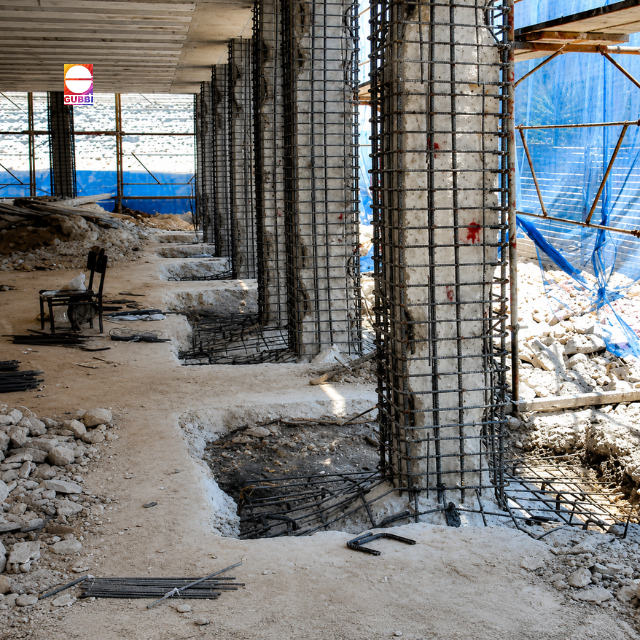
Structural repair services are essential when an existing structure begins showing signs of distress, deterioration, or reduced performance. Cracks, corrosion, spalling concrete, water ingress, damaged reinforcement, and overloaded members can gradually affect structural safety. Repair work is not simply about making damaged surfaces look better. It requires understanding why the damage occurred, assessing its extent, selecting suitable materials, and restoring the affected structural elements according to their actual engineering requirements.
For industrial, commercial, and infrastructure assets, timely structural maintenance can protect both the structure and the activities taking place inside it. A damaged beam, column, slab, foundation, chimney, cooling tower, or other RCC component may continue carrying loads while deterioration progresses unnoticed. Structural repair contractors therefore need to look beyond visible defects and understand the relationship between concrete condition, reinforcement, loading, moisture, exposure, construction quality, and intended use.
Why Existing Structures Develop Structural Problems
Structures are continuously exposed to physical, environmental, and operational conditions. Temperature changes, moisture, chemical exposure, vibration, repeated loading, poor drainage, reinforcement corrosion, inadequate maintenance, and ageing materials can gradually affect concrete and steel. In industrial environments, aggressive chemicals and process-related conditions can increase deterioration. Understanding these causes is important because repairing only the visible damage without addressing its source may allow the same problem to return.
Construction-related deficiencies can also contribute to structural deterioration over time. Poor concrete quality, inadequate compaction, insufficient reinforcement cover, improper curing, construction joints, or unsuitable repair materials can create weaknesses within structural elements. Changes in building usage or increased loading may introduce another concern. For this reason, structural repair contractors generally need to evaluate both the original condition and present requirements before recommending a repair methodology.
Common Signs That a Structure Needs Repair
Visible cracks are among the most common warning signs noticed by building owners and facility managers. However, not every crack has the same meaning or requires the same treatment. Crack location, width, direction, depth, pattern, and movement can provide useful information about the underlying problem. Cracks appearing in beams, columns, slabs, retaining structures, or other load-bearing components deserve proper technical evaluation rather than immediate cosmetic treatment.
Concrete spalling is another important indication of deterioration. When concrete separates from a structural surface, reinforcement may become exposed and vulnerable to corrosion. Rust staining, hollow-sounding concrete, delamination, surface deterioration, and exposed reinforcement can indicate that damage has progressed beyond the surface. Water leakage can further accelerate deterioration by allowing moisture to reach reinforcement. Early investigation can help determine whether localized concrete repair or more extensive structural intervention is necessary.
Importance of Structural Inspection Before Repair
A structural repair project should begin with understanding the actual condition of the affected structure. Site inspection helps identify visible defects, their locations, possible causes, and areas requiring further investigation. Depending on the project, engineers may examine concrete condition, reinforcement exposure, cracks, corrosion, loading conditions, previous repairs, leakage, and environmental exposure. This information creates a practical foundation for selecting an appropriate repair strategy.
Structural assessment is particularly important when damage appears on major load-bearing members. Beams, columns, slabs, foundations, and other critical components may require a different approach from non-structural surfaces. The repair method should be based on the severity and cause of deterioration rather than on appearance alone. A technically planned repair can address the damaged area while also considering future exposure, structural performance, maintenance requirements, and operational limitations.
Concrete Repair for Damaged RCC Structures
Concrete repair is commonly required when RCC members develop cracks, spalling, honeycombing, surface deterioration, or reinforcement exposure. The damaged concrete may need to be carefully removed until a suitable sound substrate is reached. Depending on the condition, suitable repair materials can then be selected for rebuilding the affected section. The objective is to restore the concrete section while creating proper bonding and protection for the reinforcement.
Different concrete repair situations require different materials and application techniques. Polymer-modified mortar, repair mortars, micro-concrete, epoxy-based materials, and sprayed concrete systems can have specific applications. The choice depends on factors such as repair depth, member geometry, access, loading, exposure, and required performance. This is why experienced structural repair contractors should evaluate the actual site condition before suggesting a particular concrete repair material or technique.
Repairing Cracks in Structural Members
Cracks can develop for several reasons, including shrinkage, thermal movement, excessive loading, settlement, corrosion, moisture-related deterioration, or structural movement. The repair approach depends on the type and cause of the crack. Surface sealing may be appropriate for some non-progressive cracks, while injection-based repair can be considered where cracks require deeper treatment. Structural cracks require particular attention because the repair must address the engineering reason behind their development.
Epoxy injection and polyurethane injection are two techniques commonly associated with crack and leakage treatment, but their applications differ. Epoxy systems can be used where structural bonding and crack restoration are required under suitable conditions. Polyurethane systems may be considered for certain water-ingress situations. Selecting between these methods requires understanding crack characteristics, moisture conditions, movement, and structural requirements instead of simply choosing a product based on its name.
Column and Beam Repair
Columns and beams are critical structural elements because they transfer and distribute loads through a building or industrial structure. Damage to these members may occur because of corrosion, impact, inadequate concrete, environmental exposure, excessive loading, or long-term deterioration. Repair work on such elements requires careful planning because removing damaged concrete or carrying out strengthening activities can affect the existing load path and the sequence of construction activities.
Depending on the engineering requirement, damaged beams and columns may require concrete restoration, reinforcement treatment, jacketing, fibre-reinforced strengthening, steel strengthening, or other specialized solutions. The selected method should consider the existing member, required capacity, available working space, loading condition, and future use. For active industrial and commercial facilities, repair sequencing is also important because work may need to be coordinated with ongoing operations and safety requirements.
Structural Strengthening and Structural Repair
Structural repair and structural strengthening are related but different requirements. Repair generally focuses on restoring damaged or deteriorated components, while strengthening aims to improve the capacity or performance of an existing structure. A structure may require both when deterioration has reduced its original performance and present-day requirements demand additional capacity. Understanding this difference helps property owners select an appropriate engineering solution rather than treating every structural problem as ordinary repair work.
Strengthening methods can include RCC jacketing, steel jacketing, carbon fibre reinforced polymer systems, micro-concrete applications, section enlargement, or other engineered interventions. The appropriate solution depends on the structural assessment and design requirements. For example, a deteriorated column may first require concrete and reinforcement restoration before strengthening is undertaken. Combining repair and strengthening thoughtfully can help address existing damage while preparing the structure for its intended future loading and operational requirements.
Role of Waterproofing in Structural Repair
Water is one of the major contributors to deterioration in concrete structures. Persistent leakage or moisture ingress can affect concrete surfaces and eventually contribute to reinforcement corrosion. Therefore, structural repair may need to be considered alongside appropriate waterproofing or water-control measures. Repairing damaged concrete without addressing recurring water entry can leave the structure exposed to continued deterioration, particularly in areas subjected to rainfall, industrial moisture, or repeated wet conditions.
Waterproofing requirements vary according to the source and location of water ingress. Roofs, terraces, basements, expansion joints, tanks, underground structures, and industrial areas can require different approaches. Injection systems, protective coatings, membranes, joint treatment, drainage improvements, and other measures may be considered according to site conditions. The key objective is to control the source of moisture while ensuring that the structural repair itself is compatible with the surrounding environment.
Repairing Corroded Reinforcement
Reinforcement corrosion is a serious concern because steel deterioration can reduce the effective condition of reinforcement and contribute to cracking and concrete spalling. Moisture, carbonation, chloride exposure, and aggressive environmental conditions can contribute to corrosion-related deterioration. Once corrosion becomes visible, simply covering the affected area with fresh mortar may not address the underlying problem. The damaged concrete and reinforcement condition should first be examined carefully.
Repairing corrosion-affected concrete may involve removing deteriorated concrete, cleaning or treating reinforcement where appropriate, restoring the section, and applying suitable protective systems. The precise sequence depends on the extent of corrosion and structural condition. In environments where corrosion risk remains high, additional protection measures may be considered. A properly planned repair therefore looks at both restoring the damaged area and reducing the conditions that could cause repeated deterioration.
When Structural Retrofitting May Be Required
Some structures need more than conventional repairs because their existing capacity may no longer match their current requirements. Changes in occupancy, equipment loads, operational processes, ageing, modifications, or updated performance requirements can create a need for strengthening or retrofitting. In such situations, repairing visible defects alone may not solve the broader structural requirement. A detailed assessment can help determine whether strengthening should form part of the overall intervention.
Structural retrofitting may involve strengthening selected beams, columns, slabs, foundations, or other structural components. Carbon fibre systems, steel strengthening, RCC jacketing, micro-concrete jacketing, and other methods can be considered depending on the design requirement. The goal is not to apply the same solution to every structure. Instead, the strengthening method should be selected according to the existing structural system, deficiency, accessibility, loading, operational conditions, and expected future performance.
Choosing Structural Repair Contractors
Choosing suitable structural repair contractors is an important part of any repair project. Structural work involves more than labour and construction materials because the solution must be connected to the actual condition of the structure. Project owners should consider the contractor's experience with similar structures, engineering capability, repair methodology, safety practices, quality control, equipment, and completed work. The ability to coordinate assessment, repair execution, and strengthening can also simplify project management.
For industrial and commercial projects, experience with operating facilities can be particularly valuable. Repair work may need to be planned around production schedules, restricted access, equipment, workers, safety zones, and operational requirements. A contractor should therefore understand how repair activities can be organized without creating unnecessary disruption. Reviewing technical proposals carefully can also help owners understand the proposed repair sequence, materials, testing requirements, expected outcomes, and maintenance considerations.
How to Plan a Structural Repair Project
A successful repair project normally begins by defining the problem clearly. The first stage can involve collecting information about the structure, its age, usage, previous repairs, visible defects, environmental exposure, and operational conditions. A site inspection can then help establish the areas requiring attention. Where necessary, additional testing and structural evaluation may be carried out to understand material condition and determine the extent of deterioration.
Once the condition is understood, the repair strategy can be developed around the actual engineering requirement. This may include surface preparation, concrete removal, reinforcement treatment, crack repair, section restoration, strengthening, protective coating, waterproofing, or other specialized work. The sequence should also consider safety, access, temporary support, curing, quality checks, and final inspection. A planned approach helps prevent unnecessary repair work and keeps the project focused on measurable structural requirements.
Structural Repair for Industrial and Infrastructure Assets
Industrial structures often operate under demanding conditions that can accelerate deterioration. Manufacturing plants, warehouses, power facilities, process areas, cooling towers, chimneys, and other industrial assets may experience chemical exposure, moisture, vibration, temperature variation, and continuous loading. Structural repair services for such facilities therefore require an understanding of both structural behaviour and operational conditions. Repair planning should aim to protect the asset while considering the practical requirements of the operating facility.
Infrastructure structures also require specialized attention because they may be exposed to weather, water, traffic, environmental conditions, and repeated service loads. Bridges, jetties, dams, tunnels, and other infrastructure assets can develop different forms of deterioration depending on their construction and exposure. Repair programs for these structures need careful assessment, suitable repair techniques, safety planning, and controlled execution. Regular condition monitoring can also help identify deterioration before it becomes more extensive.
Why Timely Repair Matters
Small defects can become more complicated when their causes remain untreated for long periods. A minor crack may allow moisture to enter, while continued moisture exposure can contribute to reinforcement corrosion and concrete deterioration. Similarly, localized spalling can expose additional reinforcement and increase the affected area. Timely structural assessment gives owners an opportunity to understand the issue and plan appropriate intervention before deterioration becomes more extensive.
Timely repair can also help organizations manage operational risks. For an industrial facility, unexpected structural deterioration may interfere with equipment operation, production schedules, access, or maintenance planning. Planned repair allows activities to be coordinated more effectively. Instead of waiting until damage becomes an emergency, facility owners can incorporate structural inspection and maintenance into broader asset-management programs, helping them make informed decisions about repair, strengthening, protection, and future maintenance.
Why Engineering-Based Repair Is Important
Structural repair should be approached as an engineering activity rather than a purely cosmetic construction task. Filling cracks, covering damaged concrete, or applying a surface coating may improve appearance without resolving the reason for deterioration. Engineering-based repair considers the structural member, damage mechanism, material condition, loading, environment, and future requirements. This creates a stronger basis for selecting a repair method that is appropriate for the particular structure.
For organizations planning major repair work, working with experienced structural repair contractors can provide a more coordinated approach from assessment to execution. Gubbi Civil Engineers Limited can be considered by industrial, commercial, and infrastructure asset owners looking for structural repair and rehabilitation support based on project-specific requirements. The important consideration is to select a solution that addresses the actual condition of the structure rather than relying on a standard repair method for every situation.
Frequently Asked Questions About Structural Repair Services
What are structural repair services?
Structural repair services involve technical work carried out to restore damaged, deteriorated, or weakened structural components. Depending on the condition, the work may involve concrete repair, crack treatment, reinforcement protection, corrosion repair, strengthening, jacketing, grouting, shotcreting, or other specialized interventions. The appropriate solution depends on the type of damage, structural requirement, exposure condition, accessibility, and intended use of the structure.
When should a structure be inspected for repairs?
A structure should be evaluated when visible cracks, concrete spalling, exposed reinforcement, corrosion staining, unusual deformation, leakage-related deterioration, or other significant changes are observed. Inspection can also be useful when an existing facility undergoes a change in use, increased loading, major modification, or prolonged environmental exposure. Regular condition assessments can help identify developing problems before they require extensive intervention.
How much do structural repair services cost?
Structural repair cost cannot be accurately determined from a generic rate because every project has different requirements. The final cost may depend on the affected area, structural member, damage severity, access conditions, repair materials, strengthening requirements, testing, equipment, labour, safety arrangements, and project duration. A site inspection and technical assessment are generally necessary before preparing a project-specific repair scope and cost estimate.
Can damaged concrete be repaired without rebuilding?
In many situations, damaged concrete structures can be repaired or strengthened without complete reconstruction. The appropriate approach depends on the extent and cause of deterioration and the remaining structural capacity. Localized concrete repair, crack treatment, jacketing, strengthening systems, or other rehabilitation methods may be considered after assessment. However, severely compromised structures require detailed engineering evaluation before deciding whether repair, strengthening, partial replacement, or reconstruction is appropriate.
Structural repair services play an important role in maintaining existing industrial, commercial, and infrastructure assets. Effective repair begins with identifying the cause of deterioration, assessing the structural condition, and selecting a solution suited to the specific requirement. From concrete restoration and corrosion treatment to crack repair, strengthening, jacketing, and protection systems, each intervention should be planned around engineering needs rather than appearance alone.
For property owners and facility managers, choosing experienced structural repair contractors is only one part of the process. The repair methodology, assessment quality, material selection, execution sequence, safety planning, and future maintenance strategy also influence project performance. A structured approach can help address current deterioration while supporting the continued use and service life of important existing structures.

 English
 Arabic
 French
 Spanish
 Portuguese
 Deutsch
 Turkish
 Dutch
Dutch
 Russian
 Romaian
 Portuguese (Brazil)
 Greek
Greek