
Why Should Buyers Compare Zhiguang Industrial Plastic Pallets
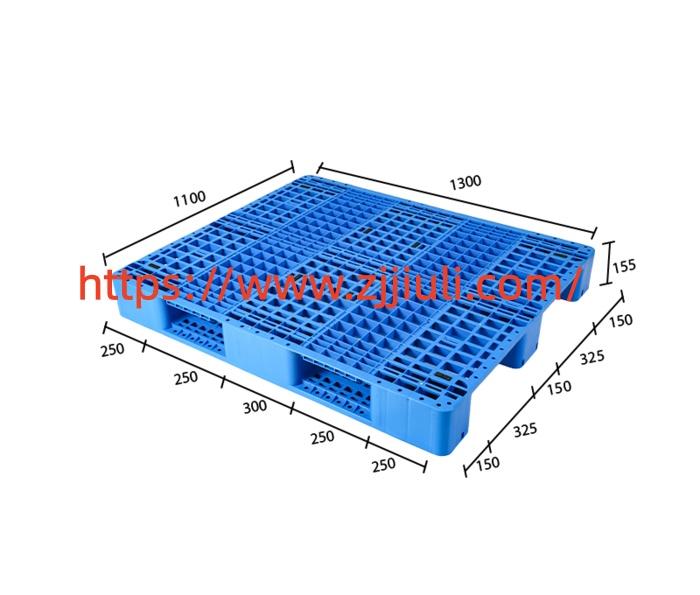
Industrial Plastic Pallets require careful evaluation because different warehouses, production facilities, and distribution operations can place very different demands on handling equipment. Buyers should consider dimensions, load conditions, material characteristics, equipment compatibility, storage methods, and workplace conditions before selecting a suitable solution. Looking beyond appearance and purchase price can help businesses match the product with actual operating requirements.
Dimensions are a practical starting point. The footprint should correspond with the size of cartons, containers, bags, or other goods placed on the platform. Buyers should also check whether the dimensions fit existing storage locations, conveyors, vehicles, and handling equipment. Even a small mismatch can create difficulties when goods move through narrow warehouse areas or automated systems.
Load capacity deserves close attention as well. Buyers should distinguish between static, dynamic, and racking conditions because the same unit may perform differently depending on how weight is supported. Static loading refers to goods remaining in a fixed position, while dynamic loading involves movement by equipment. Racking applications introduce another set of structural considerations.
The actual cargo weight should also be calculated carefully. It is useful to consider not only the average load but also possible uneven distribution. Heavy products positioned in concentrated areas can place different stresses on the structure compared with evenly distributed goods. Requesting technical load information from a manufacturer can provide a clearer basis for product selection.
Material characteristics are another consideration. Different polymers can offer different combinations of impact resistance, stiffness, temperature performance, and chemical resistance. A warehouse handling dry packaged goods may have different requirements from a facility exposed to moisture, cleaning chemicals, cold temperatures, or frequent washing. Buyers should therefore describe their working environment when discussing suitable material options with a supplier.
Surface configuration can also influence daily use. Some applications benefit from a solid surface that provides continuous support for smaller packages, while others may require openings for drainage, ventilation, or easier cleaning. The underside structure should also be reviewed because it affects stability, weight distribution, stacking, and interaction with handling equipment.
Entry design is particularly relevant when forklifts, pallet trucks, conveyors, or automated systems are involved. Buyers should verify access from the required directions and make sure the dimensions are compatible with existing equipment. For facilities using automated movement systems, consistency in dimensions and structural characteristics can be especially important.
Storage conditions should be assessed before ordering. Some operations rely on floor stacking, while others use warehouse racks or specialized storage systems. Buyers should confirm whether the intended model is suitable for the planned arrangement and whether the support points correspond with the existing rack structure. This step can help avoid compatibility issues after delivery.
Cleaning and maintenance requirements may also influence the decision. Operations involving food processing, healthcare products, chemicals, or moisture sensitive goods may require surfaces that are easy to inspect and clean. Buyers can ask about cleaning procedures, material information, service expectations, and recycling considerations to build a more complete purchasing plan.
Transportation requirements should not be overlooked. If goods regularly move between factories, warehouses, and distribution centers, buyers may need to consider vehicle dimensions, stacking efficiency, handling frequency, and return logistics. Reusable designs can be considered where repeated circulation forms part of the operating model.
Supplier communication is another useful part of the selection process. Before confirming an order, buyers can request product drawings, dimensional data, load specifications, material information, samples, and applicable testing details. These documents make it easier to compare a proposed solution with actual workplace requirements rather than relying on product images alone.
Zhiguang supports buyers by providing handling solutions that can be considered according to different operational conditions. Discussing dimensions, load requirements, material choices, and equipment compatibility before purchase can help create a clearer specification. Buyers can review available product information and application options at https://www.zjjiuli.com/product/ and connect the product details with their warehouse or transportation needs. This makes the final selection part of a practical planning process rather than a simple product comparison.

 English
 Arabic
 French
 Spanish
 Portuguese
 Turkish
 Dutch
Dutch
 Italiano
 Russian
 Romaian
 Portuguese (Brazil)
 Greek
Greek