
Which Industries Rely on an Automatic Gluing Machine
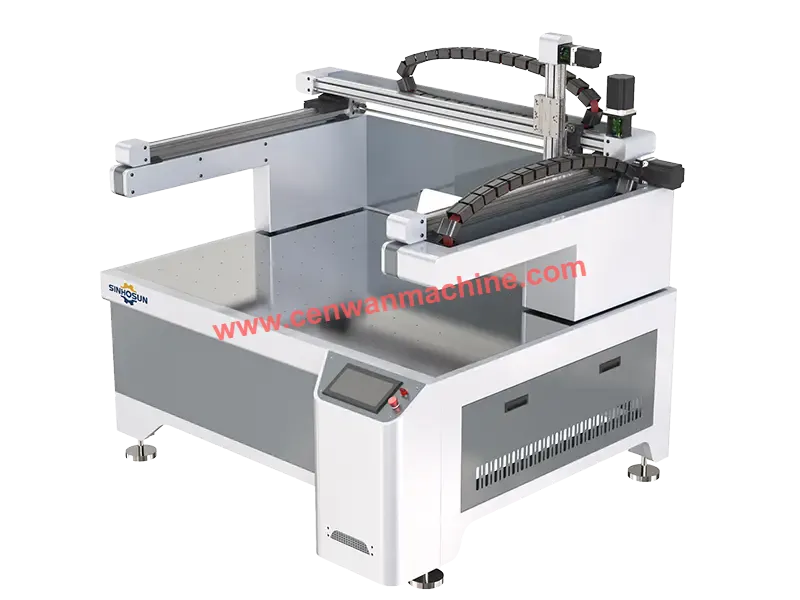
Walk through any manufacturing district and you will pass buildings where glue does quiet, essential work. A box seals shut. A book spine holds. A furniture panel bonds. None of these outcomes draw attention, yet each depends on adhesive applied with precision. The Automatic Gluing Machine sits at the center of that work, and cenwanmachine understands how widely its reach extends. Packaging plants form the most visible users, but the list runs longer than most people expect. Which sectors actually rely on this equipment, and why does each one need something different from it?
The packaging industry stands first for obvious reasons. Corrugated cartons, folding boxes, rigid gift boxes, and shipping containers all require consistent glue lines. A machine that applies adhesive unevenly produces boxes that open in transit. A machine that applies too much creates smears and waste. The tolerance for error stays narrow because the end product must protect whatever sits inside it. Food packaging adds another layer of demand, since adhesives must meet safety standards and resist moisture. Beverage cartons, frozen food boxes, and takeaway containers all pass through gluing equipment before they reach a shelf.
Printing and bookbinding form another major group. Hardcover books need spine glue that holds through repeated opening. Perfect-bound paperbacks require adhesive that flexes without cracking. Magazines, catalogs, and directories pass through gluing stations where speed and consistency matter in equal measure. The paper stock varies, the cover weight varies, and the machine must adapt without stopping the line. Bookbinders value equipment that holds tolerance across long runs, because a single batch of poorly bound books represents a significant loss.
Furniture and woodworking shops use gluing equipment for edge banding, panel bonding, and veneer application. These jobs involve heavier materials and different adhesive chemistry. Heat, pressure, and curing time all play roles that differ from paper-based work. A machine built for cardboard will not serve a furniture line well. The equipment must handle thicker substrates, resist wear from abrasive materials, and maintain pressure across wide panels. Wood dust adds another challenge, since it clogs nozzles and interferes with bond strength.
The automotive and electronics sectors rely on gluing for assembly tasks that often go unnoticed. Dashboard components bond. Wire harnesses secure. Circuit board elements attach. These applications demand extreme precision, often with adhesives that cure under ultraviolet light or specific temperature conditions. The machines used here differ from packaging equipment in nearly every respect, yet the core principle remains the same: consistent adhesive placement at a controlled rate. Without it, assemblies fail tests and products return.
Textile and footwear production also uses gluing equipment. Shoe soles bond to uppers. Fabric layers laminate. Labels attach to garments. These materials flex, stretch, and compress, so the adhesive must move with them rather than crack. Machines serving this sector handle soft substrates that behave nothing like paper or wood. Tension control and gentle handling become critical, because a creased fabric panel cannot be sold.
Building materials and construction supply form a growing category. Insulation panels bond. Drywall components attach. Flooring layers laminate. These products often use adhesives formulated for extreme conditions, including temperature swings and moisture exposure. The machines must apply glue across wide surfaces at rates that keep pace with high-volume production. Dust and debris in these environments demand robust designs that tolerate less-than-clean conditions.
CenWan serves many of these sectors with equipment built around the specific demands of each. A machine destined for a corrugated box plant differs from one headed to a bookbinding floor, even when both perform the same basic function. The company works with buyers to match equipment to material, speed requirements, and adhesive type. That approach matters because a machine that fits its application runs longer and produces less waste. Buyers who examine their actual production needs before selecting equipment avoid the costly mistake of buying for the wrong job.
The question of which industries use automatic gluing machines has a wide answer because adhesive bonding appears in so many products. From the box that arrives at a doorstep to the book on a shelf to the chair in a dining room, glue holds things together. The equipment that applies it well earns its place on the production floor. For operations handling corrugated board, the folder gluer for corrugated box detailed at https://www.cenwanmachine.com offers a starting point for understanding what modern gluing technology delivers. The right machine turns adhesive from a messy necessity into a reliable part of production.
Consider the products within arm's reach right now. Each one likely passed through a gluing station at some point in its journey. The industries behind those products need equipment that performs without drama, shift after shift. Does your production line get that kind of reliability?

 English
 Arabic
 French
 Spanish
 Portuguese
 Deutsch
 Turkish
 Dutch
Dutch
 Russian
 Romaian
 Portuguese (Brazil)
 Greek
Greek