
How to Make Glasses a Positive Experience for Kids
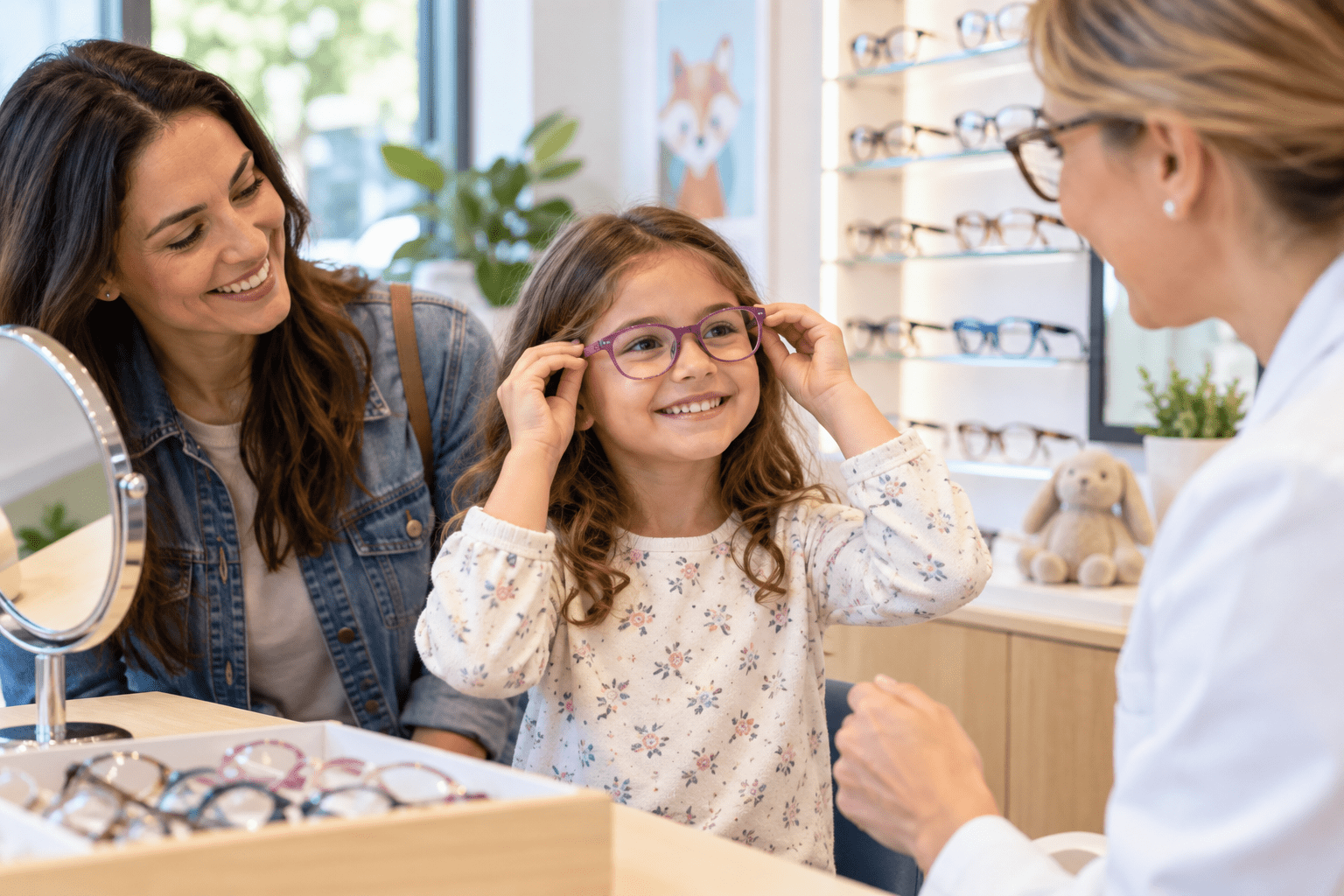
For some children, getting glasses can feel like a big change. They may be excited about seeing clearly, but they can also feel nervous about wearing something new on their face. Concerns about appearance, comfort, school, sports, or what classmates might say can all affect how a child feels about their new eyewear. Choosing comfortable and age-appropriate kids eyewear frames can help make this transition easier.
Parents and caregivers can make the transition easier by turning the experience into something positive and age-appropriate. The right approach can help children become comfortable with their frames while encouraging confidence and healthy vision habits.
Let Kids Be Part of the Decision
Children are more likely to enjoy wearing something when they have some control over the choice. Instead of selecting frames entirely for them, give them a few suitable options and let them express their preferences.
When shopping for kids eyewear frames, consider:
- Colors your child already enjoys
- Frame shapes that suit their personality
- Lightweight materials for everyday comfort
- Properly fitted temples and nose bridges
- Flexible designs for active children
- Frames that are easy for children to handle
A child doesn't necessarily need to choose the most practical-looking option. Within the boundaries of fit, durability, and prescription requirements, allowing personal choice can make glasses feel like an accessory rather than something being imposed on them.
Focus on Comfort and Proper Fit
Comfort plays a major role in whether a child accepts their glasses. Frames that slide down, pinch behind the ears, or feel too heavy can quickly become frustrating.
A properly fitted pair should sit securely without creating uncomfortable pressure. The lenses should be positioned correctly in front of the eyes, while the frame should remain stable during normal movement.
If your child repeatedly pushes their glasses up, complains about discomfort, or develops marks around the nose or ears, have the fit checked by an eye care professional.
Children grow quickly, so their eyewear may need adjustments or replacement as their face changes.
Talk About Why Glasses Are Helpful
Rather than presenting glasses as something a child has to wear, explain their purpose in simple language.
Depending on the child's age and prescription, you might explain that their glasses help their eyes focus more clearly. For younger children, examples from everyday activities can make the concept easier to understand.
You could connect clear vision with things they enjoy, such as:
- Reading books
- Seeing the classroom board
- Drawing and coloring
- Watching movies
- Playing outside
- Recognizing friends from a distance
Keep the conversation positive without making unrealistic promises. The goal is to help children understand that eyewear is a tool that supports their vision.
Make Trying Them On Fun
The first experience doesn't have to be serious. Encourage your child to look in the mirror, try different styles, and notice how each pair feels.
You can even turn frame selection into a small activity. Ask questions such as:
- "Which one feels most comfortable?"
- "Which color do you like?"
- "Which pair would you enjoy wearing to school?"
- "Can you smile and move your head while wearing them?"
This gives children an opportunity to participate while helping parents identify practical concerns.
Avoid Negative Comments About Appearance
Children can be sensitive to changes in their appearance. Casual comments about how "different" they look in glasses can sometimes make them self-conscious.
Instead, treat eyewear as a normal part of everyday life. Compliment their choice, confidence, or willingness to try something new rather than focusing exclusively on how the glasses look.
It's also helpful for parents and other family members to avoid teasing or making glasses the subject of jokes.
Prepare Them for School
School can be one of the biggest concerns for a child who is starting to wear glasses. Talk with them beforehand about what might happen.
Let them know that classmates may ask questions out of curiosity. Help your child prepare a simple response, such as explaining that their glasses help them see clearly.
For younger children, teachers can also be informed when appropriate. This can help adults understand that the child may need occasional reminders to wear or care for their eyewear.
Most importantly, avoid making school feel like something they should fear because of their glasses.
Teach Simple Eyewear Care
Giving children responsibility for their glasses can help them feel more comfortable with them.
Teach age-appropriate habits such as:
- Use both hands when taking frames off.
- Store them in a protective case when they're not being worn.
- Clean lenses with an appropriate lens-cleaning cloth.
- Avoid placing lenses directly on hard surfaces.
- Tell an adult if the frames become loose or damaged.
- Keep glasses away from extreme heat.
Younger children will need more supervision, while older kids can gradually take greater responsibility.
Be Patient During the Adjustment Period
Some children adapt immediately, while others need more time. A child may initially remove their glasses frequently or complain that the new prescription feels unusual.
Rather than turning every interaction into a confrontation, calmly reinforce the importance of following the eye care professional's instructions.
If your child continues to experience discomfort, headaches, dizziness, blurred vision, or difficulty adapting, contact their eye care provider. The issue may involve the fit, prescription, or another vision-related concern that needs attention.
Encourage Confidence, Not Perfection
Wearing glasses doesn't need to become a daily battle. Small positive experiences can gradually build acceptance.
Celebrate progress when your child remembers their case, puts on their frames independently, or feels comfortable wearing them around friends. Avoid treating occasional mistakes as failures.
Children learn from the attitudes of adults around them. When parents treat glasses as an ordinary and useful part of life, children may be more likely to develop the same attitude.
Create a Positive Routine
Consistency can make new eyewear feel normal. Incorporate glasses into familiar parts of the day, following the wearing schedule recommended by the child's eye care professional.
A simple routine might include:
- Putting glasses on at the appropriate time
- Checking that the frames are clean
- Keeping the case in a regular location
- Removing them safely when necessary
- Storing them properly at bedtime
With time, these actions can become automatic.
Helping Kids Feel Good About Wearing Glasses
The transition to glasses is about more than choosing a frame. Kids eyewear frames should be comfortable and appropriately fitted, but emotional support matters just as much.
By involving children in age-appropriate choices, listening to their concerns, teaching them how to care for their eyewear, and maintaining a positive attitude, parents can help make the experience less intimidating.
Most importantly, children should understand that needing glasses is nothing to be embarrassed about. With patience, encouragement, and the right support, wearing eyewear can become a normal—and even enjoyable—part of growing up.

 English
 Arabic
 French
 Spanish
 Portuguese
 Deutsch
 Turkish
 Dutch
Dutch
 Italiano
 Russian
 Romaian
 Greek
Greek