
Sauna Before or After Cold Plunge: A Simple Guide
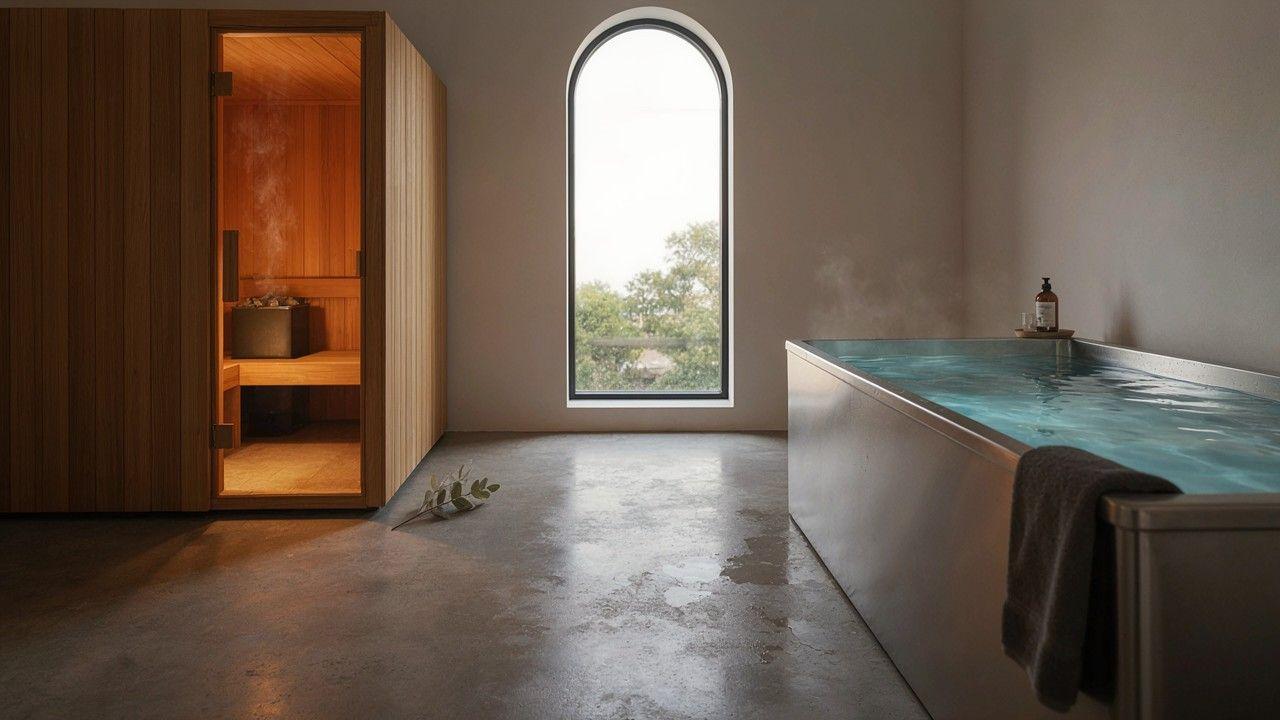
Combining heat and cold can turn a regular wellness session into a more engaging experience. Sauna heat provides a warm environment where you can slow down and relax, while cold water offers a brief, refreshing change that can leave you feeling alert and invigorated.
If you are wondering about sauna before or after cold plunge, both sequences can be part of a contrast therapy routine. The difference is mainly in how you experience the transition. Learning the purpose of each stage can help you choose an approach that feels natural for your routine.
The Basics of Contrast Therapy
Contrast therapy involves moving between warm and cold environments rather than using only one temperature. A sauna provides sustained heat, while a cold plunge offers short-term cold-water exposure.
The transition itself is an important part of the experience. Moving carefully between temperatures gives you an opportunity to focus on your breathing and physical sensations.
A simple routine can be easier to maintain than one built around extreme temperatures or lengthy sessions.
Starting With Sauna Heat
Many people naturally begin with the sauna because it provides a comfortable introduction to the session.
Relax Before the Cold
Entering the sauna first allows you to spend some time in a warm environment. You can sit comfortably, relax, and let yourself adjust to the heat.
There is no benefit to forcing an unnecessarily long session. A moderate amount of time can be enough to enjoy the warmth before moving to the next stage.
Prepare for the Temperature Change
After leaving the sauna, give yourself a moment to prepare before entering the cold plunge. Take a breath, stay calm, and approach the water gradually.
The sudden change from heat to cold can feel intense, particularly for someone who is new to cold-water exposure.
Starting With Cold Exposure
The alternative is to begin with the cold plunge. This approach starts your session with stimulation rather than relaxation.
Approach the Plunge Gradually
Cold water can produce an immediate physical reaction, so controlled breathing is useful. Beginners should avoid trying to imitate someone else's exposure time.
A shorter session can allow you to become familiar with the sensation without making the experience unnecessarily difficult.
Use Sauna as the Next Stage
After completing the cold portion, moving into the sauna creates a strong transition back toward warmth. Some people prefer this sequence because the session ends in a relaxing environment.
The warm surroundings can provide a comfortable way to finish the routine after cold exposure.
Finding Your Preferred Sequence
There is no single sequence that has to work for everyone. Your experience, comfort, and personal preferences can all influence which order you choose.
Consider Your Experience
If you are new to cold exposure, you may want to start conservatively. Becoming familiar with the sauna and cold plunge separately can help you understand how your body responds before combining them.
If you already have experience with both, you can choose the order that best suits the type of session you want.
Consider How You Want to Finish
Your final stage can influence how the entire session feels. Ending with cold water may leave you feeling refreshed and energized, while finishing with sauna heat may provide a warmer, calmer ending.
Thinking about the desired feel of the final stage can make the choice easier.
Building a Balanced Routine
A contrast session does not need to involve complicated schedules. Start with manageable exposure and make adjustments as you become more familiar with the process.
Keep Sessions Moderate
Longer exposure is not automatically more beneficial. Both sauna heat and cold water can feel demanding, so moderation is important.
Pay attention to your breathing and overall comfort throughout the session.
Allow Recovery Time
Resting between stages gives you time to assess how you feel. You can use the break to breathe normally, drink water, and prepare for the next temperature change.
If you feel uncomfortable, there is no need to continue simply because another round was planned.
Staying Safe During Heat and Cold Sessions
Sauna and cold-water exposure are not appropriate for everyone. People with certain medical conditions or concerns should speak with a qualified healthcare professional before using intense heat or cold exposure.
During a session, stop if you experience significant dizziness, faintness, nausea, unusual weakness, or other concerning symptoms. Never treat contrast therapy as a test of endurance.
Hydration is also important, particularly when your sauna session involves substantial sweating.
FAQs
Should sauna come before or after a cold plunge?
Either order can be used. Sauna first creates a heat-to-cold transition, while cold plunge first creates a cold-to-heat transition. Personal preference and comfort can guide your choice.
Is it necessary to do multiple rounds?
No. Multiple rounds are optional. A simple session with one heat and one cold stage may be enough for someone who prefers a shorter routine.
Can beginners combine sauna and cold plunge?
Beginners should approach both practices gradually and use conservative exposure. Becoming familiar with each one separately may also be helpful.
Should I drink water during a contrast therapy session?
Staying hydrated around sauna sessions is important because sweating can increase fluid loss. Drink fluids according to your needs and avoid continuing if you feel unwell.
Conclusion
Choosing sauna before or after cold plunge ultimately depends on the experience you want from your contrast therapy session. Starting with sauna creates a warm beginning followed by an invigorating cold transition, while beginning with cold exposure allows you to finish with relaxing heat. By keeping each stage controlled, allowing recovery time, staying hydrated, and paying attention to your body's response, you can create a comfortable and enjoyable wellness routine at Therma Haus Denver.

 English
 Arabic
 French
 Spanish
 Portuguese
 Deutsch
 Turkish
 Dutch
Dutch
 Italiano
 Russian
 Portuguese (Brazil)
 Greek
Greek