
Anti-Odor Technology Vs. Air Fresheners: How To Eliminate Persistent Odors At The Source
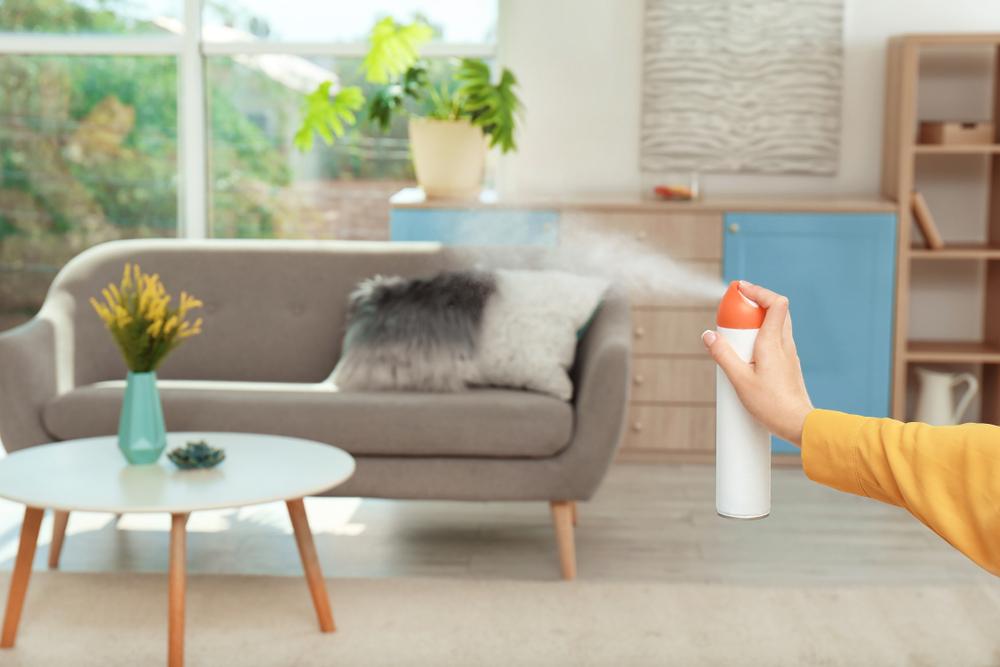
How Anti-Odor Technology Eliminates Persistent Odors at the Source
Persistent odors are more than an unpleasant smell. They can indicate moisture, organic residue, microbial activity, smoke compounds, pet contamination, or other odor-producing sources that continue releasing compounds into the surrounding air. This is particularly common in enclosed environments such as RVs, boats, tents, cabins, and camping-storage areas.
Traditional air fresheners often provide temporary freshness by introducing fragrance, but they may not address the compounds responsible for the original odor. Modern anti-odor technology takes a different approach by targeting odor-causing compounds rather than simply changing how the space smells.
For people looking for effective odor elimination for RVs Boats Tents and outdoor spaces, the distinction between masking and source-level odor control is important. Fresh Tent focuses on this source-oriented approach, using odor-control solutions designed for recreational vehicles, boats, camping gear, enclosed storage areas, and other spaces where persistent odors can develop.
What Is Anti-Odor Technology?
Anti-odor technology refers to methods designed to reduce or neutralize the compounds responsible for unpleasant smells rather than simply covering them with another fragrance.
Odors can originate from many sources. Bacteria and organic materials can produce sulfur compounds, amines, organic acids, and other volatile compounds. These compounds may remain in the air or become trapped in porous materials such as upholstery, foam, fabrics, carpeting, wood, and camping equipment.
The U.S. Environmental Protection Agency notes that volatile organic compounds (VOCs) are released from numerous household and consumer products, and concentrations of many VOCs can be higher indoors than outdoors sometimes up to 10 times higher.
This helps explain why enclosed spaces can develop persistent smells even when they appear visually clean.
How Molecular Odor Neutralization Works
Modern odor elimination technology can use different mechanisms depending on the product. Some approaches absorb odor molecules, while others chemically react with or neutralize them.
Fresh Tent describes its technology as targeting odor-causing compounds at the molecular level rather than relying on fragrance. Its product range includes solutions using controlled chlorine dioxide (ClO₂) technology for odor control in air, surfaces, and enclosed spaces.
The goal is not simply to create a stronger scent. It is to reduce the compounds responsible for the unwanted odor.
Why Air Fresheners Often Fail to Eliminate Persistent Odors
Air fresheners can make a room, vehicle, or recreational space smell different, but changing the perceived smell is not necessarily the same as eliminating its source.
A fragrance-based product may temporarily overwhelm an unpleasant odor with a stronger scent. Once that fragrance dissipates, the original odor can become noticeable again.
This can be particularly frustrating in environments such as:
- RV storage compartments
- Boat lockers and cabins
- Damp tents
- Sleeping bags
- Upholstered seating
- Closets and cupboards
- Camping gear stored after a wet trip
The EPA identifies source control, ventilation, and air cleaning or filtration as three basic strategies for improving indoor air quality, with source control generally being the most effective approach.
That same principle is useful when dealing with persistent odors: identify the source, remove or clean the source where possible, control moisture, improve airflow, and then use appropriate odor-neutralizing technology for remaining odors.
Anti-Odor Technology vs. Traditional Air Fresheners
The difference becomes clearer when the two approaches are compared.
|
Feature |
Traditional Air Fresheners |
Anti-Odor Technology |
|
Primary purpose |
Changes or masks perceived odor |
Targets odor-causing compounds |
|
Fragrance |
Often fragrance-based |
Can be fragrance-free |
|
Odor source |
May remain present |
Designed to neutralize or reduce odor compounds |
|
Recurring odors |
Can return after fragrance fades |
Focuses on longer-term odor control |
|
Enclosed spaces |
Often provides temporary freshness |
Can be designed for continuous or enclosed-space treatment |
|
Porous materials |
May not address embedded compounds |
Some technologies target odors held in fabrics and porous materials |
|
Best approach |
Short-term freshness |
Source-focused odor management |
Neither approach replaces basic cleaning or maintenance. If a boat has a leaking bilge, an RV has a plumbing problem, or wet camping gear remains sealed in a container, the underlying issue should be corrected first.
Where Anti-Odor Technology Can Make a Difference
RV and Camper Odor Control
RVs can develop persistent odors from cooking, pets, bathrooms, food, upholstery, condensation, and limited ventilation. Potential odor sources include mattresses, seating foam, refrigerators, storage areas, spills, and HVAC systems. Effective camper odor elimination requires treating these sources rather than simply spraying the main living space.
Boat Odor Removal
Bilges, marine head systems, wet canvas, upholstery, fish residue, and poorly ventilated compartments can create recurring marine odors. A suitable marine odor eliminator can complement cleaning, ventilation, and moisture control to address lingering odors.
Tent and Camping Gear Odor Control
Tents, sleeping bags, clothing, and other camping gear can absorb moisture and odors. Packing damp gear can lead to persistent musty smells. Effective tent odor control combines thorough drying, proper storage, and an appropriate odor-control solution.
How Fresh Tent Approaches Odor Elimination
Fresh Tent focuses on source-level odor control rather than simply masking smells with fragrance. Its products are designed for RVs, boats, tents, cabins, camping equipment, and other enclosed or outdoor environments.
The approach targets odor-causing compounds that can remain in air, fabrics, cushions, mattresses, carpeting, wood, upholstery, and other porous materials. Fresh Tent uses molecular odor neutralization and, in applicable products, controlled chlorine dioxide technology to help address these sources.
For lasting results, odor-control technology should complement regular maintenance. Removing organic residue, drying damp materials, fixing leaks, and maintaining ventilation are essential for effective odor management.
This version removes repetition while preserving the core explanation, Fresh Tent’s approach, the technology reference, and the maintenance point.
Fresh Tent STOW-AWAY 60 Deodorizing Kit for RV & Boat Compartments
The Fresh Tent STOW-AWAY 60 Deodorizing Kit is designed for enclosed spaces such as RV and boat compartments, lockers, closets, utility bays, and storage areas where stale or musty odors can build up. Fresh Tent states that the pouch can last up to 60 days in open air and longer in confined spaces, depending on conditions and application.
Where Can the STOW-AWAY 60 Be Used?
It can be used in areas such as:
- RV storage compartments and utility bays
- Boat lockers and stowage containers
- Marine heads and camper toilets
- Cupboards, refrigerators, and enclosed storage
Fresh Tent recommends the STOW-AWAY 60 for storage areas and long-term storage, making it useful for ongoing odor management rather than repeated fragrance spraying.
How to Use It Effectively
For better odor control:
- Remove obvious odor sources and organic residue.
- Clean contaminated surfaces.
- Dry damp fabrics and equipment.
- Address leaks and moisture problems.
- Place the STOW-AWAY 60 according to product directions.
Always follow the product label and safety instructions before use.
Why Source-Level Odor Elimination Matters for Outdoor Living
Outdoor recreation equipment is frequently exposed to moisture, food, smoke, sweat, pets, and organic residue. Once that equipment enters an enclosed storage environment, odors can become concentrated.
A source-focused strategy combines cleaning and drying with targeted odor elimination technology. This approach is more comprehensive than repeatedly adding fragrance whenever an unpleasant smell appears.
For people seeking odor elimination for RVs Boats Tents and outdoor spaces, the objective should be a cleaner environment rather than simply a stronger scent.
Fresh Tent's approach centers on this principle: identify the source, manage moisture and contamination, and use appropriate odor-control technology to address lingering compounds.
Choose Odor Elimination Over Temporary Fragrance
Persistent odors require more than making a space smell different. Air fresheners can provide temporary freshness, but recurring odors often require source identification, cleaning, moisture control, ventilation, and targeted odor-neutralizing technology.
Anti-odor technology provides a source-focused alternative by targeting odor-causing compounds rather than relying solely on fragrance. This approach can be valuable across RVs, boats, tents, camping gear, cabins, and enclosed storage spaces.
Fresh Tent combines this philosophy with specialized odor-control products for outdoor and recreational environments. For smaller enclosed areas, the STOW-AWAY 60 Deodorizing Kit offers a practical long-term option for RV and boat compartments, helping manage odors where they commonly become trapped.
FAQs Section:
1. What is the difference between anti-odor technology and air fresheners?
Air fresheners commonly change or mask the perceived smell, while anti-odor technologies are designed to target or neutralize odor-causing compounds.
2. Can anti-odor technology be used in RVs and boats?
Yes. Certain odor-control products are specifically designed for RVs, boats, cabins, storage compartments, lockers, and other enclosed spaces.
3. Does anti-odor technology replace cleaning?
No. Cleaning, drying, ventilation, and correcting moisture or plumbing problems remain essential. Odor-control products should complement these practices.
4. How does moisture contribute to persistent odors?
Excess moisture can encourage microbial growth and create conditions that contribute to musty and mildew-related odors. EPA recommends controlling moisture and drying damp materials promptly.
5. How long does the Fresh Tent STOW-AWAY 60 last?
Fresh Tent states that the STOW-AWAY 60 pouch can last up to 60 days in open air and longer in confined spaces, depending on conditions and application.

 English
 Arabic
 French
 Spanish
 Portuguese
 Deutsch
 Dutch
Dutch
 Italiano
 Russian
 Romaian
 Portuguese (Brazil)
 Greek
Greek