
Sports Injuries That Keep Coming Back: Could Acupuncture Finally Break the Cycle?
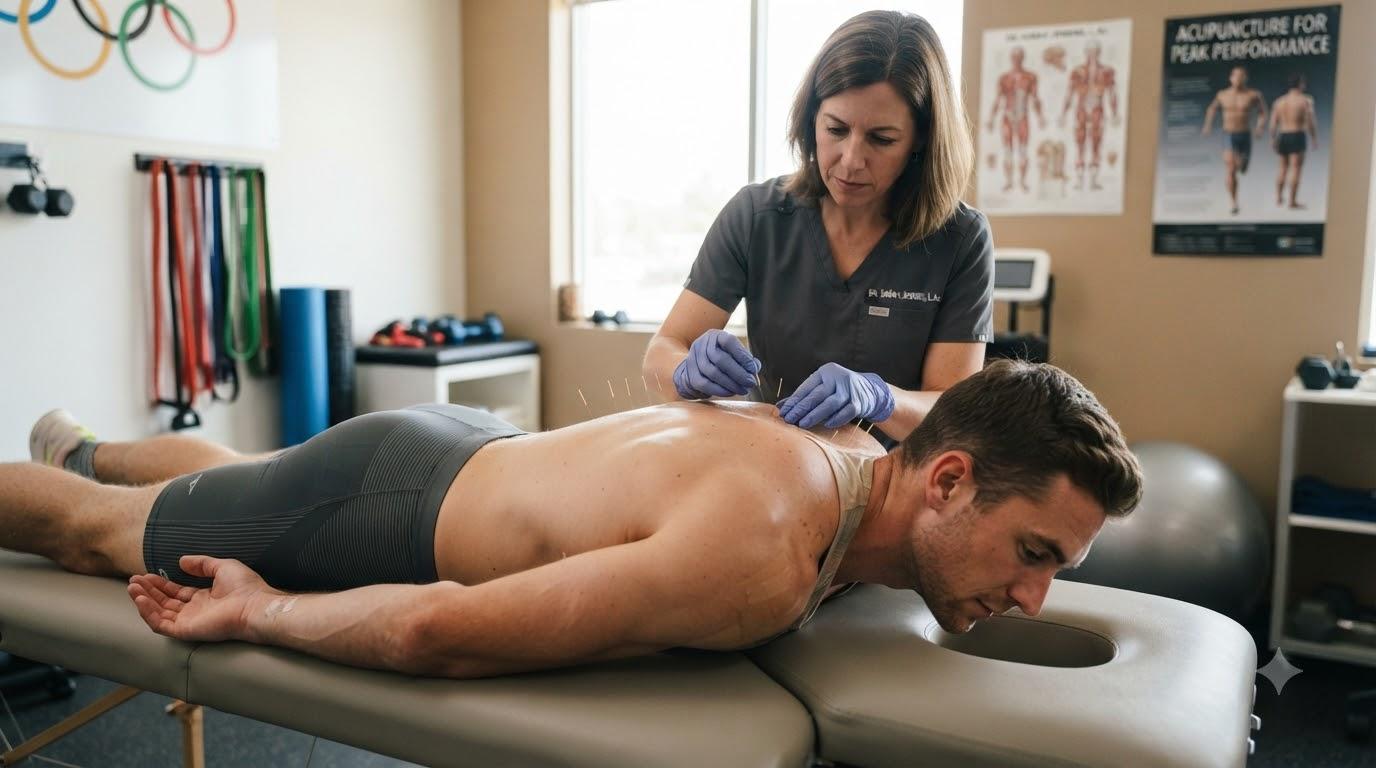
Every athlete has a story about the injury that just won't fully heal. The hamstring that tightens again after three weeks of careful rehab. The shoulder that was "fine" until the next hard session. The knee that flares up every time training volume increases.
These recurring or stubborn sports injuries are among the most frustrating experiences in an athletic career — and they're also where acupuncture for sports injuries has some of its most compelling applications. Not as a substitute for physiotherapy or medical evaluation, but as a targeted intervention that addresses what those approaches often leave unresolved.
Why Sports Injuries Recur
Recurrence is often blamed on insufficient rest or a premature return to training. These are genuine factors, but they're rarely the whole story. Several underlying mechanisms drive recurring injuries:
Incomplete tissue remodelling — Scar tissue laid down during healing is weaker and less elastic than original tissue. If not properly managed, it becomes a structural weak point.
Neuromuscular compensation — After injury, the body often recruits alternative muscle groups to protect the damaged area. These altered patterns can persist after the injury heals, creating secondary overload on tissues that weren't built for that role.
Chronic muscle tension — Muscles that were protective during injury often remain in a guarded, shortened state that alters biomechanics and predisposes the athlete to re-injury.
Reduced proprioception — Joint and muscle injuries often impair the sensory feedback system that coordinates movement. Degraded proprioception means less precise movement control and higher injury risk.
Where Acupuncture Intervenes in This Cycle
Acupuncture for sports injuries addresses several of the mechanisms described above through specific physiological actions.
Scar Tissue and Tissue Remodelling
Needling directly around scar tissue or fibrotic tissue creates a controlled microtrauma that restimulates the inflammatory and repair cascade. This recruits growth factors and collagen-producing cells to the area, supporting the replacement of disorganised scar tissue with better-quality fibres over time.
This is particularly relevant for tendon injuries — achilles tendinopathy, rotator cuff issues, patellar tendinopathy — where tendon tissue quality directly determines long-term structural integrity.
Restoring Neuromuscular Patterns
Acupuncture points correspond to specific nerve innervation zones and motor points within muscles. Stimulating these points helps re-establish normal neuromuscular signalling, reducing the compensatory patterns that develop around injured areas and restoring more balanced muscle activation.
Releasing Myofascial Trigger Points
Trigger points — hyperirritable spots within tight muscle bands — are common secondary findings in sports injuries. They cause referred pain, restrict movement, and are a frequent contributor to recurrent symptoms. Dry needling techniques used within acupuncture practice are one of the most effective ways to release these points.
Modulating the Pain Response
Chronic sports injuries often involve a sensitised pain response — the nervous system has been signalling pain for so long that it continues to do so even when the original tissue damage is resolved. Acupuncture has demonstrable effects on central pain processing, helping to reset an overactive pain response.
Specific Injuries That Respond to Acupuncture
While acupuncture can support recovery from many types of sports injury, the conditions with the strongest clinical evidence and practical track record include:
-
Lateral epicondylitis (tennis elbow) — one of the best-evidenced applications for acupuncture in sports medicine
-
Achilles tendinopathy — particularly for reducing chronic pain and supporting tendon tissue quality
-
Plantar fasciitis — improving heel pain and reducing fascial tension
-
Rotator cuff syndrome — pain reduction and improved shoulder function
-
Iliotibial band syndrome — common in runners, addressing lateral knee and hip tension
-
Patellar tendinopathy — common in jumping and running athletes
-
Muscle strains — reducing healing time and preventing scar tissue complication
-
Stress fractures — supporting recovery between the injury and return to full loading (not as primary treatment)
How Acupuncture Fits Into a Return-to-Sport Timeline
Acupuncture isn't a shortcut past the rehabilitation process — it works best within it. Practically, here's how integration often looks:
Acute phase (first one to two weeks): Sessions focus on reducing acute inflammation, pain management, and supporting the body's initial healing response. Training is typically reduced or modified.
Subacute rehabilitation phase: Acupuncture sessions target tissue remodelling, trigger point release, and neuromuscular re-education alongside physiotherapy exercises.
Late rehabilitation and return to sport: As training load increases, acupuncture helps manage the tissue response to increasing demand and addresses any compensatory tensions developing elsewhere.
Prevention and maintenance: After full return to sport, periodic sessions help maintain tissue quality and prevent the conditions that allowed the original injury to develop.
The Importance of Accurate Diagnosis Before Starting
Acupuncture is an effective treatment tool, but it should not replace proper medical evaluation. Before beginning acupuncture for a sports injury, a clear diagnosis from a sports medicine physician, physiotherapist, or orthopaedic specialist is important.
Knowing exactly what structure is injured, its severity, and what stage of healing you're in allows your acupuncturist to design the most appropriate treatment approach — and ensures nothing clinically significant is being missed.
Frequently Asked Questions
Should I stop other treatments when I start acupuncture?
No. Acupuncture is most effective when integrated with physiotherapy, training modification, and appropriate medical management. Stopping effective existing treatments to try acupuncture is rarely the right move.
Can acupuncture help with chronic tendinopathy that hasn't responded to other treatments?
Tendinopathies that haven't responded to standard management are one area where acupuncture — particularly tendon-focused needling techniques — has shown meaningful results. If you've tried load-based rehabilitation without adequate improvement, acupuncture is a reasonable next step.
How many sessions should I expect to need?
For acute or subacute injuries, four to eight sessions is a common treatment range. Chronic or recurrent injuries that have been present for months may require more. Your practitioner should reassess regularly and adjust accordingly.
Will it hurt?
Most people find sports injury acupuncture produces less discomfort than expected. Dry needling of active trigger points can produce a brief, deep ache (known as a "deqi" sensation) that's often described as satisfying rather than painful. This typically resolves within seconds.
Is acupuncture recognised in sports medicine?
Increasingly, yes. Acupuncture and dry needling are now incorporated into many sports medicine clinics and used by physiotherapists and sports doctors alongside other treatment modalities. Its evidence base in sports injury management continues to grow.
The injuries that keep coming back aren't just physically limiting — they're psychologically wearing. Every return of the same pain erodes confidence and complicates training planning. Addressing the underlying neuromuscular, inflammatory, and tissue-quality factors that drive recurrence is where acupuncture for sports injuries makes its clearest contribution.

 English
 Arabic
 French
 Spanish
 Portuguese
 Turkish
 Dutch
Dutch
 Italiano
 Russian
 Romaian
 Portuguese (Brazil)
 Greek
Greek