
Why You Need an Electrical Engineering Consultant for Your Project
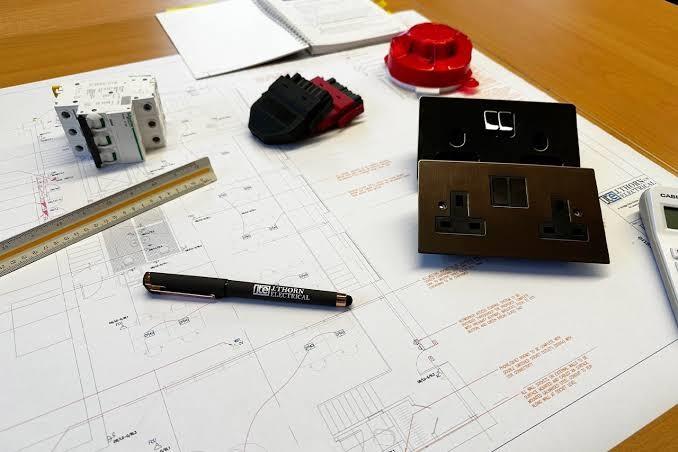
Every construction, refurbishment and industrial project depends on a safe and reliable electrical system. From power distribution and lighting to emergency systems and specialist equipment, electrical design affects how a building operates from day one. Poor planning can lead to delays, higher costs, safety concerns and difficult maintenance later.
An electrical engineering consultant helps us plan, design and coordinate electrical systems before problems reach the construction stage. We use engineering knowledge to assess electrical demand, select suitable systems, support compliance and coordinate electrical work with the wider project. This early input can make a project safer, more efficient and easier to manage.
What Does an Electrical Engineering Consultant Do?
An electrical engineering consultant provides specialist advice on the design, planning and performance of electrical systems. Our work can support projects from the early concept stage through detailed design, installation, testing and commissioning.
The exact scope depends on the type and size of the project. A commercial development may need power distribution, lighting and emergency systems. An industrial facility may require more complex power studies, control systems, standby generation and specialist equipment.
We may provide support with:
-
Electrical load calculations
-
Power distribution design
-
Lighting design
-
Cable sizing
-
Protection and coordination
-
Earthing and bonding
-
Emergency power systems
-
Equipment specifications
-
Energy efficiency
-
Electrical surveys
-
Technical documentation
-
Testing and commissioning support
-
Compliance reviews
The purpose is to create an electrical system that meets the building's needs while allowing safe and practical operation.
Why You Need an Electrical Engineering Consultant Early
Electrical decisions made at the start of a project can affect almost every later stage. Equipment needs space. Cables need routes. Distribution boards need suitable locations. Electrical loads affect infrastructure. Lighting must work with architectural layouts.
When we become involved early, we can review these requirements before construction begins.
Early consultancy can help us identify design conflicts, estimate electrical demand and establish suitable system arrangements. It also gives the wider project team a clearer understanding of electrical requirements.
This is important because changing an electrical design after construction has started can be more difficult and costly than resolving the same issue during design.
Better Electrical Design and Planning
A strong electrical design starts with an understanding of how the building will be used.
We consider the type of building, expected occupancy, equipment, operating hours and electrical loads. We then use this information to develop an appropriate electrical strategy.
For example, a modern office may require power for lighting, computers, communications equipment, HVAC systems and kitchen facilities. An industrial site may have machinery with high starting currents and different operating cycles.
Each situation requires a design based on actual demand rather than assumptions.
Good planning can also make future maintenance easier. Electrical equipment should be accessible, clearly identified and arranged in a way that supports safe inspection and repair.
Accurate Electrical Load Calculations
Electrical load assessment is a key part of project planning. The electrical infrastructure needs enough capacity to support expected demand without unnecessary oversizing.
We assess connected loads and consider how equipment is likely to operate. Where appropriate, we also consider diversity and potential future demand.
Accurate calculations can help inform decisions about:
|
Electrical element |
Planning consideration |
|
Main switchgear |
Expected current and fault levels |
|
Transformers |
Present and future electrical demand |
|
Distribution boards |
Circuit capacity and arrangement |
|
Cables |
Current carrying capacity and voltage drop |
|
Generators |
Essential and standby loads |
|
UPS systems |
Critical equipment requirements |
|
Protection devices |
Fault and overload conditions |
This provides a stronger technical foundation for the electrical installation.
Improved Electrical Safety
Electrical safety should be considered during design, not only after installation.
We assess the risks associated with electrical systems and consider suitable protection measures. These may include overcurrent protection, earth fault protection, isolation, earthing and bonding, surge protection and protective device coordination.
The design must also consider how people will interact with electrical equipment.
For example, switchgear and distribution boards need appropriate access. Equipment should be positioned in suitable locations. Isolation arrangements should support safe maintenance.
A carefully planned system can reduce electrical risks and support safer operation throughout the building's life.
Supporting UK Electrical Compliance
Electrical projects in the UK need to meet the requirements that apply to the type of building and installation.
We consider relevant standards and regulations during the design process. Depending on the project, this may include BS 7671, the IET Wiring Regulations, Building Regulations and other applicable technical requirements.
Compliance is not simply a box to tick at the end of construction. Design decisions can affect whether an installation can meet the required standards.
By addressing compliance during design, we can help reduce the risk of late changes and remedial work.
Better Coordination With Architects and Contractors
Electrical systems form part of a much larger building design. Poor coordination can result in clashes between electrical equipment and other services.
For example, cable routes may compete for space with mechanical services. Lighting positions may conflict with structural features. Electrical plant may require more space than originally allowed.
We work with architects, mechanical engineers, structural teams and contractors to coordinate these requirements.
This collaborative approach helps identify problems before they reach the construction site.
Clear coordination can also improve installation efficiency because contractors have better information about where systems should be installed.
Reducing Project Delays
Construction delays can affect budgets, schedules and other trades. Electrical issues can become a source of delay when designs are incomplete or requirements change during installation.
We help reduce this risk by developing clear electrical designs and technical information before work begins.
A structured design process can establish:
-
Electrical loads
-
Equipment requirements
-
Distribution arrangements
-
Cable routes
-
Protection requirements
-
Installation details
-
Testing requirements
With these elements defined, contractors can work from a clearer technical basis.
Controlling Electrical Project Costs
Electrical infrastructure can represent a significant part of a construction budget. Poor decisions can increase both installation and operating costs.
We help clients assess technical options before committing to equipment or systems.
For instance, choosing a distribution arrangement should involve more than looking at the purchase price. We also consider installation requirements, capacity, maintenance, reliability and potential future changes.
The cheapest option at the design stage may not provide the best value over the building's operating life.
Our approach focuses on making technically sound decisions that balance initial investment with long-term performance.
Energy Efficiency and Electrical Performance
Energy use is another reason to involve an electrical engineering consultant.
Electrical systems can influence the building's energy consumption through lighting, controls, equipment selection and distribution efficiency.
We can identify opportunities to improve energy performance based on the project's requirements.
This may involve efficient lighting systems, automatic controls, energy monitoring, suitable equipment and other measures.
Energy efficiency should be considered as part of the overall electrical design rather than added as an afterthought.
Supporting Existing Building Upgrades
Electrical consultancy is also valuable for existing properties.
Older buildings may have electrical systems that were designed for lower loads. A refurbishment or change of use can place additional demands on the installation.
Before upgrading the building, we can assess the existing infrastructure and identify limitations.
This may involve reviewing available drawings, inspecting equipment and assessing whether the existing distribution system can support the proposed loads.
The findings can then inform an upgrade plan.
This is particularly useful when a building is being converted, extended or fitted with new electrical equipment.
Designing for Future Requirements
Buildings rarely remain unchanged for their entire service life.
Businesses expand. Equipment changes. Technology develops. Tenants alter how spaces are used.
We therefore consider future requirements where these can be reasonably predicted.
A future-ready electrical design may allow for additional circuits, spare capacity or suitable infrastructure for new technologies.
However, future planning should not mean installing excessive capacity without a clear reason. We assess where additional provision makes technical and financial sense.
This creates a balance between today's requirements and tomorrow's potential needs.
Choosing the Right Electrical Equipment
Equipment selection can influence system safety, reliability, maintenance and operating costs.
We assess equipment against the requirements of the installation rather than selecting products based only on price.
Important considerations can include:
-
Electrical capacity
-
Fault rating
-
Environmental conditions
-
Protection requirements
-
Maintenance access
-
Compatibility
-
Efficiency
-
Availability of replacement parts
-
Expected service life
Good equipment selection supports the performance of the wider electrical system.
Electrical Engineering Consultant Support During Construction
Our role can continue after the design stage.
During construction, technical questions may arise. Equipment specifications may change. Site conditions may differ from the original assumptions.
We can review technical queries, assess proposed changes and help maintain design intent.
This provides continuity between the design and construction phases.
Where required, we can also support inspections, testing and commissioning to help confirm that installed systems match the intended design.
Testing, Commissioning and Handover
A completed electrical installation needs appropriate testing and commissioning before it becomes part of normal building operation.
We can establish testing requirements and review relevant documentation.
Commissioning helps confirm that electrical systems operate correctly and that equipment performs as intended.
Handover information is also important. Drawings, test results, equipment schedules and other technical records can help building owners and facilities teams manage the installation after completion.
Good documentation can make future maintenance and alterations much easier.
When Should You Hire an Electrical Engineering Consultant?
The best time to involve an electrical engineering consultant is during the early planning and design stages.
However, professional support can be useful at different points depending on the project.
For a new development, consultancy can begin during concept design. For a refurbishment, an electrical survey may be the appropriate first step. For an industrial project, detailed power studies may be required before equipment is selected.
Early involvement gives us more opportunities to influence the design before decisions become difficult to change.
How Almens Consult Can Help
At Almens Consult, we provide electrical engineering support for projects that require careful planning, technical design and reliable electrical systems.
We work with clients and project teams to understand their electrical requirements and develop practical solutions. Our services can cover electrical system design, power distribution, electrical assessments, energy efficiency considerations, technical documentation and project support.
We focus on creating designs that are safe, practical and suitable for the building's intended use. By considering electrical requirements early, we help clients reduce avoidable design changes and improve coordination with other project disciplines.
Whether the project involves a commercial building, industrial facility, refurbishment or electrical upgrade, our team can provide technical support from planning through to completion.
Conclusion
An electrical system is a long-term investment in the safety, operation and performance of a building. Poor electrical planning can lead to construction changes, increased costs, compliance problems and difficult maintenance.
Working with an electrical engineering consultant gives project teams access to specialist knowledge throughout the design and construction process. We can support load calculations, system design, safety, compliance, equipment selection, energy efficiency and coordination.
Most importantly, early engineering input allows problems to be addressed before they become expensive site issues.
For new builds, refurbishments and electrical upgrades, professional electrical engineering support can provide a stronger foundation for a safe, reliable and efficient project.

 English
 Arabic
 French
 Spanish
 Portuguese
 Deutsch
 Turkish
 Dutch
Dutch
 Italiano
 Russian
 Romaian
 Greek
Greek