
Don’t Ignore Migraine Symptoms – Early Recognition Matters
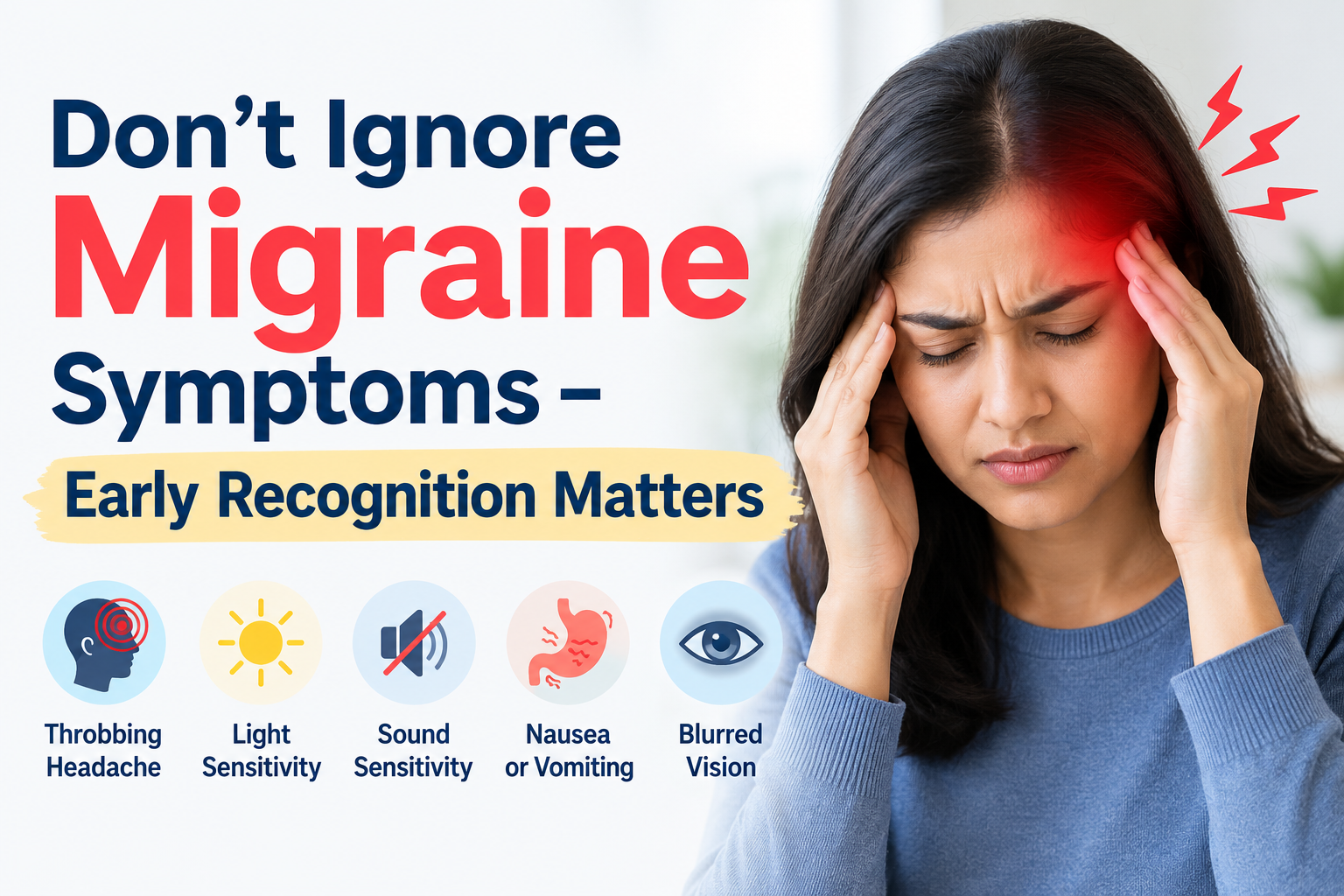
Migraine is more than an ordinary headache. It is a neurological condition that can cause intense, recurring pain along with nausea, sensitivity to light or sound, and sometimes visual or sensory disturbances. For some people, migraine attacks can interfere with work, sleep, family time, and everyday activities. Recognizing the symptoms early and seeking appropriate medical care can make migraine easier to manage.
At Neurology and Pain Management Clinic (NPMC), Dr. Gautam Arora, an experienced neurologist in Delhi, provides personalised evaluation and treatment for migraine and other headache disorders.
Recognizing Common Migraine Symptoms
Migraine symptoms can vary from person to person. Common signs include:
- Moderate to severe throbbing or pulsating headache
- Pain that may affect one or both sides of the head
- Nausea or vomiting
- Increased sensitivity to light, sound, or smells
- Worsening pain during routine physical activity
- Fatigue or difficulty concentrating
Some people experience an aura before or during a migraine attack. Aura may cause temporary visual changes, tingling, numbness, or difficulty speaking.
Common Migraine Triggers
Identifying personal triggers can help reduce the frequency of attacks. Common triggers may include:
- Stress and emotional changes
- Irregular sleep
- Skipping meals
- Dehydration
- Excessive caffeine or sudden caffeine withdrawal
- Bright lights or strong smells
- Hormonal changes
- Certain foods in susceptible individuals
Keeping a headache diary can help identify patterns and potential triggers.
Why Early Recognition Matters
Ignoring recurring migraine symptoms can result in frequent attacks and greater disruption to daily life. People may also begin relying too frequently on pain-relief medications, which can contribute to medication-overuse headaches.
Early medical evaluation helps determine whether symptoms are consistent with migraine or another type of headache. It also allows a specialist to develop an appropriate treatment and prevention strategy.
How Migraine Is Diagnosed
Migraine is usually diagnosed through a detailed medical history and neurological examination. Dr. Gautam Arora may ask about the frequency, duration, location, and nature of headaches, along with associated symptoms and possible triggers.
Imaging or other investigations may be recommended when symptoms are unusual or when another neurological condition needs to be ruled out.
Migraine Treatment at NPMC
Treatment is personalized according to the patient's symptoms, frequency of attacks, and overall health. Depending on the diagnosis, management may include:
Acute Treatment
Appropriate medications can help stop or reduce the severity of an attack when taken as directed.
Preventive Treatment
Patients experiencing frequent or disabling migraines may benefit from preventive medicines or other therapies designed to reduce the number and severity of attacks.
Lifestyle Management
Regular sleep, adequate hydration, balanced meals, physical activity, stress management, and identification of individual triggers can support better migraine control.
Advanced Treatment Options
For selected patients with frequent or difficult-to-control migraines, specialized treatments such as nerve blocks or other advanced headache-management procedures may be considered.
When Is a Headache an Emergency?
Not every severe headache is a migraine. Seek urgent medical attention if a headache:
- Starts suddenly and reaches maximum intensity very quickly
- Occurs with weakness, facial drooping, or difficulty speaking
- Is accompanied by loss of consciousness or a seizure
- Develops with high fever and severe neck stiffness
- Follows a significant head injury
- Is substantially different from your usual headaches
These symptoms can indicate a serious medical condition and require immediate evaluation.
Conclusion
Migraine symptoms should not simply be ignored or accepted as a normal part of life. Recognizing recurring symptoms, identifying triggers, and obtaining an accurate diagnosis can help patients gain better control over their headaches and improve their quality of life.
If migraines are affecting your work, sleep, or daily activities, consult Dr. Gautam Arora at Neurology and Pain Management Clinic (NPMC), Delhi. With expert neurological evaluation and a personalized treatment plan, you can take an important step toward fewer attacks, better daily functioning, and improved quality of life.

 English
 Arabic
 French
 Spanish
 Portuguese
 Deutsch
 Turkish
 Dutch
Dutch
 Italiano
 Romaian
 Portuguese (Brazil)
 Greek
Greek