
Termite Treatment Near Me How to Identify, Treat, and Prevent Termite Damage
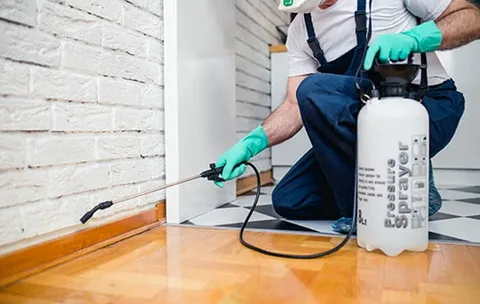
Termites are among the most destructive pests that can affect residential and commercial buildings. They often remain hidden inside wood, walls, floors, or soil. This makes early detection difficult. When homeowners search for termite treatment near me, they often want to know how to identify termites, which treatment methods work, and how they can prevent future infestations.
Termite problems can occur in many areas of Pakistan. Homes in Lahore, Karachi, Islamabad, Rawalpindi, Faisalabad, Multan, Peshawar, and other cities may experience termite activity depending on moisture, soil conditions, construction materials, and maintenance.
What Causes Termite Infestations?
Termites need suitable conditions to survive and establish colonies. Moisture and accessible sources of cellulose, such as wood and paper products, can make a property more attractive to termites.
Common risk factors include:
- Leaking water pipes
- Damp foundations
- Poor drainage
- Wooden structures touching soil
- Cracks around foundations
- Poor ventilation
- Untreated timber
- Cardboard or wood stored near walls
A property does not have to be old to develop a termite problem. New buildings can also become vulnerable when construction or moisture conditions allow termites to enter.
Signs You May Need Termite Treatment
Identifying an infestation early can help limit structural damage.
Mud Tubes
Subterranean termites often construct mud tubes between the soil and their food source. These structures may appear on foundations, walls, or other surfaces.
Wood Damage
Termites can damage wooden doors, cupboards, frames, floors, and furniture. Damaged wood may become weak, brittle, or hollow.
Swarmers
Winged termites may appear during periods of increased termite activity. You may notice them around windows, doors, lights, or other bright areas.
Peeling or Blistered Surfaces
Some termite damage can appear as bubbling, blistering, or uneven surfaces on wooden flooring and other materials.
Difficult-to-Open Doors
Changes in moisture and damage to wooden frames can cause doors or windows to become difficult to open or close.
One sign does not always prove an active infestation. A proper inspection can help determine the cause.
How Is Termite Treatment Performed?
Termite treatment usually begins with an inspection. The professional examines areas where termites may enter, hide, or feed.
1. Property Inspection
The inspection may cover:
- Foundations
- Wooden doors and frames
- Floors
- Cabinets
- Walls
- Moisture-prone areas
- Soil around the building
- Storage spaces
2. Infestation Assessment
The inspector determines whether the infestation is active and estimates its extent. They may also identify conditions that could support future termite activity.
3. Treatment Selection
The treatment method depends on the property and termite species. A small localized infestation may require a different approach from a widespread subterranean termite problem.
4. Treatment Application
Depending on the situation, professionals may use soil treatment, wood treatment, baiting systems, or localized applications.
5. Follow-Up Inspection
Some properties require monitoring after treatment. Follow-up checks can help determine whether termite activity has stopped.
Main Types of Termite Control
There are several approaches to termite management.
Chemical Barrier Treatment
Professionals can create a treated zone in soil around or beneath parts of a building. This can help control subterranean termites attempting to enter the structure.
Wood Treatment
Wood treatment targets vulnerable or infested timber. It can be useful for specific wooden components but may not eliminate a colony located elsewhere.
Termite Bait Systems
Bait systems use materials that termites consume and carry back to the colony. Depending on the active ingredient, the bait can help reduce or eliminate the colony over time.
Localized Termite Treatment
Localized treatment focuses on specific areas where termite activity has been confirmed. This approach may be suitable when the infestation is limited.
Termite Treatment Near Me: What Should You Check?
A nearby service is not automatically the best choice. Homeowners should understand the treatment process before agreeing to any work.
Ask these questions:
- Will the property receive an inspection first?
- What type of termite has been identified?
- Which treatment method is recommended?
- Which areas will receive treatment?
- Are occupants required to leave during application?
- Is follow-up monitoring necessary?
- What maintenance steps should the homeowner take afterward?
Clear answers can help you understand what the treatment actually involves.
How Much Does Termite Treatment Cost?
The cost of termite treatment in Pakistan varies from one property to another. Several factors affect the final price.
These include:
- Size of the property
- Level of infestation
- Treatment method
- Number of affected rooms
- Accessibility of affected areas
- Amount of structural work required
- Follow-up inspections
For this reason, a fixed price cannot accurately represent every home. A property inspection usually provides a more realistic estimate.
Termite Prevention Tips for Pakistani Homes
Treatment alone does not guarantee that termites will never return. Good property maintenance plays an important role.
Control Moisture
Repair plumbing leaks quickly. Keep bathrooms, kitchens, basements, and foundations as dry as practical.
Improve Drainage
Water should drain away from the building rather than collect near foundations.
Keep Wood Away From Soil
Avoid direct contact between untreated wooden materials and soil. Store timber and firewood away from exterior walls where possible.
Inspect Wooden Structures
Check doors, frames, cabinets, flooring, and other timber regularly.
Remove Unnecessary Cardboard
Cardboard contains cellulose and can provide a food source for termites. Avoid storing large quantities against walls or in damp areas.
Maintain the Building
Seal appropriate cracks and openings around foundations and service points. Also repair damaged structures promptly.
Termite Treatment During New Construction
Preventive termite control can be considered before a building is completed. This approach is often called pre-construction termite treatment.
It may involve appropriate soil treatment, physical barriers, and construction practices designed to reduce termite entry.
Planning termite protection during construction can be easier than treating an established infestation later. However, treatment should always follow appropriate professional and product-safety requirements.
Why Early Termite Detection Matters
Termite damage can progress without obvious external signs. A colony may remain active for a long time before homeowners notice serious structural damage.
Early inspection can help identify:
- Active colonies
- Entry points
- Moisture problems
- Damaged timber
- Areas requiring treatment
- Conditions that may encourage future infestations
Taking action early can potentially reduce the extent of repairs required.
Termite Control Across Pakistan
Termite treatment needs can differ between regions because Pakistan has diverse climates and building conditions.
In urban areas such as Lahore and Faisalabad, moisture, soil contact, and residential construction can influence termite activity. In Karachi, coastal conditions and building maintenance can create different pest-management challenges. Islamabad and Rawalpindi may experience seasonal moisture that affects building conditions.
Properties in Multan, Peshawar, Quetta, and other cities can also experience termite problems. Therefore, local inspection and building-specific assessment are more useful than assuming that one treatment method works everywhere.
Final Takeaway
When searching for termite treatment near me, focus on accurate identification, proper inspection, suitable treatment, and long-term prevention. Termite control works best when homeowners address both the existing infestation and the conditions that allow termites to return.
Regular inspection, moisture management, proper construction practices, and timely treatment can help protect homes and commercial properties across Pakistan.
Frequently Asked Questions
These FAQs provide quick answers to common questions about termite treatment and prevention. They can help homeowners understand when treatment may be necessary and what steps to take next.
What is the first step in termite treatment?
The first step is usually a detailed property inspection. It helps identify termite activity, damage, entry points, and moisture-related risks.
Can I treat termites myself?
Some household products can target visible insects, but DIY treatment may not address a hidden colony. Professional assessment is more appropriate when structural infestation is suspected.
How long does termite treatment take?
Treatment time depends on the property's size, infestation level, and selected method. Some localized treatments take less time than comprehensive structural or soil treatments.
Can termites damage a house?
Yes. Termites can damage wooden structural components, flooring, frames, furniture, and other cellulose-based materials. Severe and prolonged infestations can cause significant repair needs.
How can I prevent termites from returning?
Control moisture, improve drainage, keep wood away from soil, maintain wooden structures, remove unnecessary cardboard, and arrange periodic inspections when termite risk is high.

 English
 Arabic
 French
 Spanish
 Portuguese
 Turkish
 Dutch
Dutch
 Italiano
 Russian
 Romaian
 Portuguese (Brazil)
 Greek
Greek