
Blood Sample Collection from Home: The Mistakes That Ruin Results Before Testing Even Begins
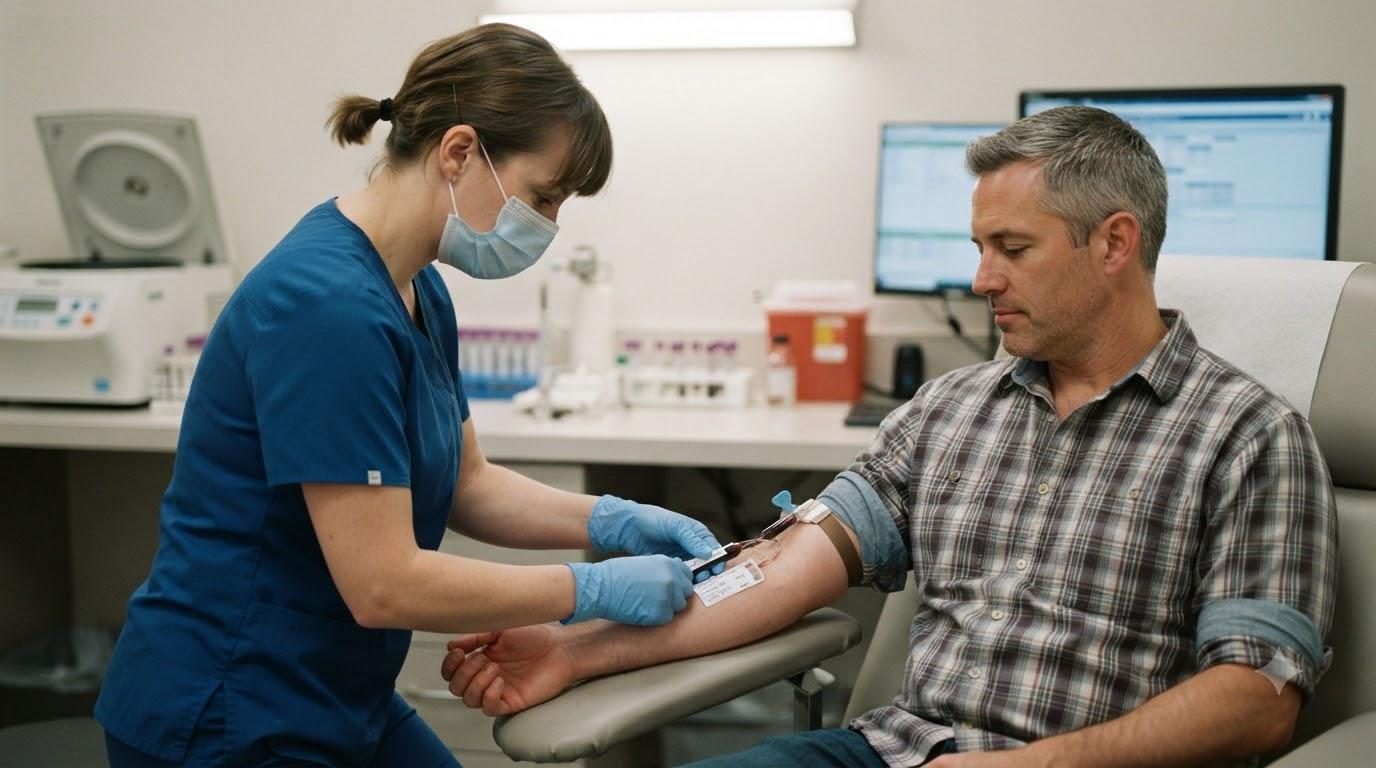
Most conversations about diagnostic accuracy focus on what happens inside the laboratory—the quality of the analyzer, the calibration of the machine, the skill of the pathologist. These are genuinely important factors. But a clinically significant and frequently ignored truth is that the majority of diagnostic errors do not originate inside the lab at all. They happen before the sample ever reaches the analyzer, during what pathologists call the pre-analytical phase.
When you arrange blood sample collection from home, this pre-analytical phase expands significantly. The absence of a controlled clinical environment means that small preparation errors—by the patient, the phlebotomist, or the transport team—can corrupt a perfectly drawn sample and produce results that are clinically meaningless or dangerously misleading. Understanding exactly where these errors occur and how to prevent them is the most practical thing you can do to protect the accuracy of your diagnostic report.
Why Pre-Analytical Errors Are the Biggest Threat to Home Testing
The pre-analytical phase covers everything that happens to your sample before it is loaded onto an analyzer. This includes your preparation as a patient (fasting, hydration, medication), the physical draw itself, the handling of tubes post-draw, packaging, and transport to the processing hub.
Studies in laboratory medicine consistently show that pre-analytical errors account for the vast majority of diagnostic inaccuracies—some research estimates place this figure between 46% and 68% of all lab errors. When blood sample collection from home is involved, the pre-analytical window is longer, involves more people, and occurs in a less controlled setting. The risk of error at each stage multiplies accordingly.
Category One: Patient Preparation Errors
These are errors caused by the patient before the phlebotomist even arrives. They are almost entirely preventable with proper information.
Incomplete fasting: Fasting tests require strict abstinence from all food and caloric beverages for 10 to 12 hours. Many patients consume a glass of orange juice, a cup of tea with sugar, or a small biscuit and consider themselves "practically fasting." This is a serious mistake. Even a modest carbohydrate intake spikes blood glucose within 30 minutes, and triglyceride levels remain elevated for up to 8 hours after a fatty meal. A fasting lipid panel drawn after an incomplete fast can show triglycerides three to five times higher than your true baseline, leading your doctor to consider aggressive statin therapy that is not clinically warranted.
Timing of strenuous exercise: Intense physical activity within 24 hours of a blood draw significantly elevates several markers. Creatine Kinase (CK) levels—used to assess muscle damage and cardiac injury—can remain elevated for 48 to 72 hours after a hard workout. Creatinine, used as a kidney function marker, rises transiently after heavy exercise due to increased muscle protein breakdown. Lactate Dehydrogenase (LDH) also increases. If you exercise heavily the evening before a blood sample collection from home appointment, your report might falsely suggest muscle injury, kidney stress, or cardiac involvement.
Biotin supplementation: This is one of the most clinically dangerous pre-analytical interferences that most patients have never heard of. Biotin (Vitamin B7) is a common ingredient in beauty supplements marketed for hair and nail growth. At high doses—typically 5,000 mcg or more, which is found in many over-the-counter supplements—biotin causes severe interference with immunoassay-based tests. It can falsely suppress or inflate results for thyroid hormones (TSH, T3, T4), cardiac troponin, fertility hormones (FSH, LH, Estradiol), and Vitamin D. A falsely suppressed troponin could mask an actual cardiac event. A falsely elevated TSH could lead to unnecessary thyroid medication. Patients must stop high-dose biotin supplementation at least 72 hours before any immunoassay-based blood test.
Category Two: Phlebotomy Technique Errors
The blood draw itself introduces its own set of potential errors. An undertrained phlebotomist can corrupt a sample within the first 60 seconds of collection.
Hemolysis from improper technique: Hemolysis is the rupturing of red blood cells. When red blood cells burst, they release their intracellular contents into the surrounding serum, falsely elevating potassium, LDH, AST, and free hemoglobin. Hemolysis is most commonly caused by using a needle that is too small (forcing blood through a narrow gauge under high pressure), applying excessive syringe suction, vigorously shaking the tube instead of gently inverting it, or drawing blood from a vein that is too small or has collapsed under the tourniquet pressure.
Incorrect order of draw: When multiple tubes are collected from a single needle insertion, the sequence matters profoundly. The additive in one tube can contaminate the next tube if the wrong order is followed. For example, collecting an EDTA tube before a serum separator tube can introduce EDTA into the serum sample, falsely lowering calcium levels by chelating the calcium ions. The internationally recommended order is: Blood Culture → Citrate (blue) → Serum Separator (gold/red) → Heparin (green) → EDTA (purple) → Fluoride-Oxalate (grey).
Prolonged tourniquet application: Leaving a tourniquet on the arm for more than 60 seconds causes a phenomenon called hemoconcentration. The tourniquet restricts blood flow, forcing plasma water into the tissue compartment, which falsely concentrates large molecules like proteins, cholesterol, and red blood cells in the remaining blood. This can make your total protein, albumin, and hemoglobin appear falsely high without any actual clinical change in your health status.
Category Three: Post-Draw Tube Handling Errors
After the blood is drawn into the tubes, what happens in the next 10 to 15 minutes is critical. Incorrect handling during this window causes errors that no amount of sophisticated lab technology can correct.
Mixing Protocols Are Non-Negotiable
Each tube type requires a specific number of gentle inversions immediately after collection. Inversions ensure the additive is evenly distributed throughout the blood sample. Too few inversions leave pockets of uneven anticoagulation, allowing partial clots to form in tubes meant to remain unclotted (like EDTA tubes). Too many vigorous inversions cause hemolysis. The correct protocol is typically 5 to 8 gentle end-over-end inversions for most anticoagulant tubes, and 8 to 10 for coagulation tubes. Shaking the tube like a cocktail is the most common mistake and immediately compromises sample quality.
Allowing Serum to Clot Before Centrifugation
For tests requiring serum (as opposed to plasma), the blood must be drawn into a plain tube or serum separator tube and allowed to clot at room temperature for 30 minutes before centrifugation. If the sample is centrifuged too early, the clot has not fully formed, leaving fibrin strands in the serum that can clog the analyzer's pipetting mechanism or interfere with optical measurements. If the blood sits too long before centrifugation—particularly in warm conditions—cellular metabolism continues, altering glucose, potassium, and other unstable analytes.
Category Four: Transport and Storage Errors
Once the tubes are properly drawn and mixed, they must travel from your home to the processing hub. This is arguably the phase where the most variation exists between professional and sub-standard home collection services.
Temperature Sensitivity: Which Tests Require What
Not all blood parameters tolerate the same transport conditions.
-
Ammonia and Lactic Acid: Must be placed in an ice-water slurry immediately after collection and transported to the lab within 15 to 20 minutes. Delay at room temperature causes ammonia levels to rise dramatically, producing a falsely elevated result that could trigger unnecessary neurological investigations.
-
Bilirubin: Light-sensitive. Prolonged exposure to sunlight or bright fluorescent light causes photodegradation, falsely lowering bilirubin readings. Transport boxes should protect these tubes from light.
-
Glucose (without fluoride-oxalate tube): If glucose is drawn in a standard tube without the fluoride-oxalate preservative, it drops by approximately 5–7% per hour at room temperature. All glucose tests must be collected in the grey-top fluoride-oxalate tube, which inhibits glycolysis and stabilizes glucose for up to 24 hours.
-
Coagulation samples: PT-INR and APTT samples must reach the lab within 4 hours of collection at room temperature and must not be refrigerated. Cold temperatures activate platelets and alter fibrin polymerization, producing falsely prolonged clotting times.
When you arrange blood sample collection from home, your provider should proactively tell you which of your prescribed tests have special transport requirements and confirm how those requirements will be met.
Red Flags to Watch for When the Phlebotomist Arrives
You can perform a quick quality check on the phlebotomist before a single vein is accessed. These visual cues reveal whether the provider meets professional standards.
-
They arrive without proper identification or a lab authorization document
-
Their transport box is a regular bag or cooler without validated temperature maintenance
-
They do not have a barcode printer or pre-labeled barcodes to label your tubes on-site
-
They cannot tell you which tubes they will use for your specific tests
-
They do not put on gloves before touching your arm
-
They shake the tubes vigorously after collection rather than inverting them gently
-
They have no biohazard container for safe disposal of used needles
Any one of these should prompt you to pause and question the quality of the service before proceeding.
How to Protect Yourself as a Patient
Preventing pre-analytical errors is a shared responsibility between you and your diagnostic provider. Here is what you can do on your side of the equation.
Communicate everything: Disclose all medications, supplements, recent illnesses, exercise habits, and your exact fasting duration before the draw. What seems like irrelevant personal detail can be clinically significant for interpreting your results.
Choose an accredited provider: NABL accreditation mandates strict pre-analytical SOPs for home collection services. An accredited lab's phlebotomist operates under audited protocols, not personal discretion. The tube selection, order of draw, mixing protocol, and transport handling are all standardized and monitored.
Ask questions before the draw: You are entitled to ask the phlebotomist what tubes they are using and why, how the samples will be transported, and what happens if a sample appears compromised. A professional will welcome these questions. An under-trained one will not have answers.
Review your report critically: If a result seems completely inconsistent with your symptoms or previous values, ask your doctor to consider pre-analytical interference before accepting the finding as clinically valid. A good doctor will often suspect a collection error when results conflict dramatically with the clinical picture.
Frequently Asked Questions
How do I know if my sample was hemolyzed after home collection?
When your digital report arrives, look for a comment in the "Specimen Remarks" or "Sample Quality" section. Accredited labs are required to note sample quality observations on the final report. If hemolysis is detected during processing, the lab must flag it as "Hemolyzed Sample—results may be affected" for the relevant parameters. If you see this note, ask your doctor whether a repeat draw is warranted.
Can I book a home blood sample collection for an urgent same-day test?
Many accredited diagnostic services in Bangalore offer urgent or stat home collection slots with priority processing. Turnaround times for urgent home collections are typically 3 to 6 hours for routine chemistry and hematology. However, same-day home collection availability depends on the time of your request and the provider's capacity. Call directly rather than booking online to confirm slot availability for urgent requests.
What should I do if I forgot to mention a supplement I was taking?
If you remember shortly after the draw, call the lab immediately. Provide them with the supplement name and your daily dosage. The laboratory's pathologist can note this in the case record and flag potentially affected parameters accordingly. For high-dose biotin interference specifically, the pathologist may recommend a repeat draw after a 72-hour washout period if the results appear inconsistent with your clinical picture.
Does the time of day I schedule my home collection affect results?
Yes, for certain tests. TSH, cortisol, testosterone, and prolactin all follow circadian rhythms and can vary significantly between morning and afternoon draws. For monitoring purposes, consistency matters more than the specific time—try to always book the same time of day for these parameters across all your monitoring visits so that time-of-day variation does not confound your results.

 English
 Arabic
 French
 Spanish
 Portuguese
 Turkish
 Dutch
Dutch
 Italiano
 Russian
 Romaian
 Portuguese (Brazil)
 Greek
Greek