
ECG Test in Bangalore: What Most Patients Get Wrong Before They Book
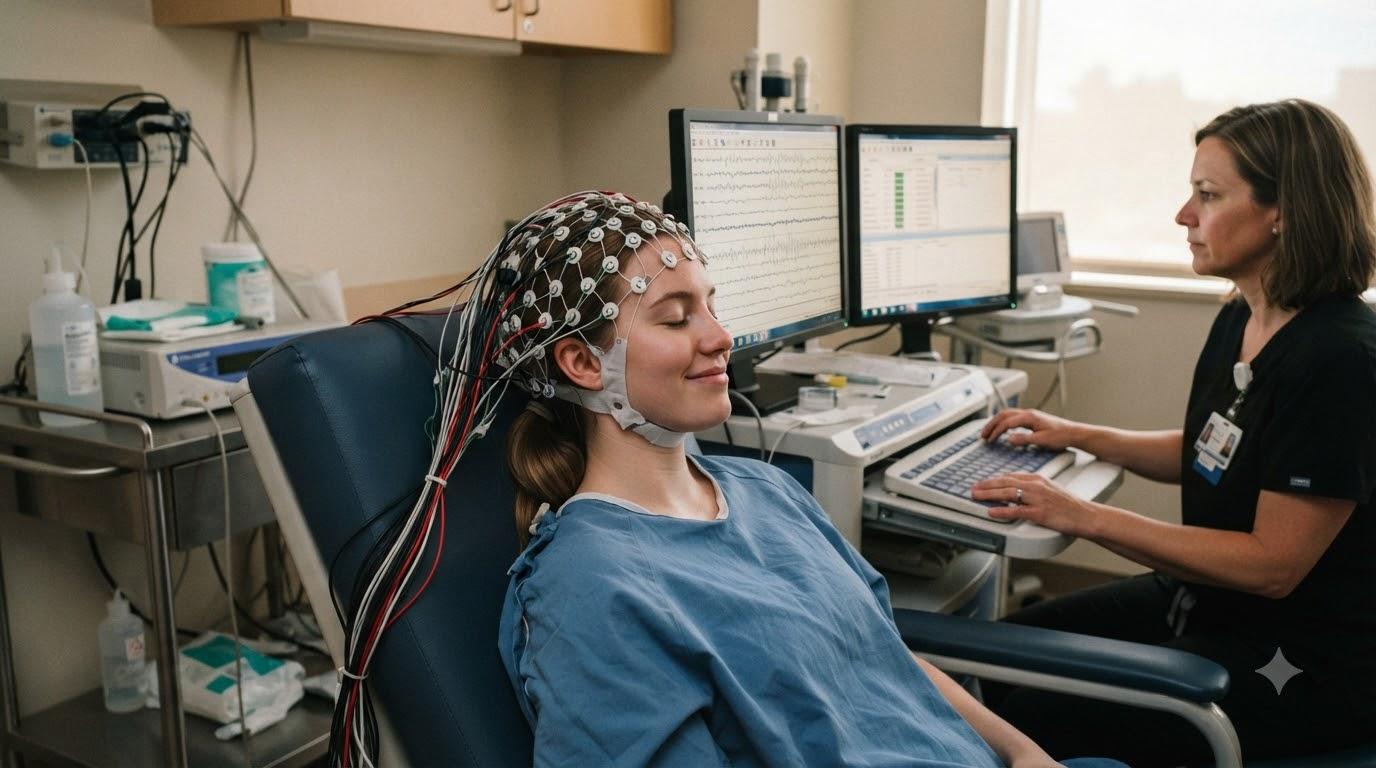
A doctor's recommendation for an ECG often feels routine — and in many cases it is. But the decisions patients make around that recommendation, from where they book to how they prepare, frequently lead to avoidable delays, repeated tests, or reports that their doctor cannot act on confidently. Understanding what the test involves and what to look for in a diagnostic centre makes the entire process far smoother.
If you have been advised to get one done, starting your search by exploring options for an ECG test in Bangalore at Ecotown Diagnostics gives you a reliable benchmark before looking elsewhere.
The ECG Is Simple — But the Process Around It Often Is Not
An electrocardiogram is one of the most widely used cardiac investigations in medicine. It is non-invasive, takes only a few minutes, and requires no special equipment beyond electrodes and a recording machine. Yet patients frequently arrive unprepared, choose the wrong type of centre for their specific need, or receive a report that is incomplete or poorly interpreted.
None of these problems are difficult to avoid once you know what to look for.
What the Test Is Actually Capturing
Your heart beats because of a precisely timed sequence of electrical signals. The ECG records those signals through electrodes placed at specific points on your skin. A standard 12-lead ECG captures this activity from 12 different angles simultaneously, giving the interpreting doctor a detailed map of how electricity moves through the heart with each beat.
This electrical map can reveal:
-
Arrhythmias — irregular or abnormal heart rhythms
-
Ischaemia — reduced blood supply to the heart muscle
-
Previous myocardial infarction — evidence of a past heart attack
-
Conduction abnormalities — delays or blocks in the electrical pathway
-
Chamber changes — enlargement or hypertrophy of the heart's chambers
-
Electrolyte imbalances — particularly potassium and calcium abnormalities that affect cardiac rhythm
The test does not measure blood pressure, valve function, or the physical structure of the heart. Those require different investigations.
Common Reasons an ECG Is Ordered in Bangalore
Pre-Operative Cardiac Clearance
This is one of the most frequent reasons people search for an ECG test in Bangalore. Before any surgery under general or spinal anaesthesia, the anaesthesiologist requires confirmation that the heart is functioning normally. Hospitals and surgical centres typically accept ECG reports from accredited diagnostic centres.
Chest Pain Evaluation
Chest pain has many causes, and the ECG helps distinguish cardiac from non-cardiac origins quickly. It is often the first test ordered in an emergency and the first follow-up test in an outpatient setting after a chest pain episode.
Palpitations and Irregular Heartbeat
Patients who experience a racing heart, skipped beats, or a fluttering sensation are commonly sent for an ECG to identify or rule out arrhythmias such as atrial fibrillation, supraventricular tachycardia, or ectopic beats.
Routine Cardiac Screening
Adults above the age of 40, individuals with diabetes or hypertension, and those with a family history of heart disease are increasingly advised to include a baseline ECG in their annual health check-up.
Monitoring Known Conditions
Patients with previously diagnosed cardiac conditions — including bundle branch block, long QT syndrome, or heart failure — need periodic ECGs to track changes in their electrical activity over time.
Resting ECG vs. Other Cardiac Tests: Knowing the Difference
Patients sometimes arrive at a centre asking for an ECG when their doctor has actually requested a different test. It is worth clarifying these before you book.
Resting ECG records heart activity while you are lying still. It is the standard test in most scenarios.
Holter Monitor records heart activity continuously over 24 to 48 hours. It is used when symptoms occur intermittently and are unlikely to be captured in a brief resting ECG.
Treadmill Test (TMT) is an exercise stress ECG — you walk on a treadmill while the heart is monitored under increasing physical load. This is used to assess how the heart responds to exertion and is a separate test entirely.
Echocardiography uses ultrasound to image the heart's structure and function. It is not an ECG variant.
If your referral letter says ECG, a resting 12-lead recording is what you need. If it says TMT or stress test, that is a different booking.
What to Look for in a Diagnostic Centre
12-Lead Digital Equipment
A standard clinical ECG uses 10 electrodes to produce 12 leads. Older or lower-end machines may produce fewer leads, which reduces the diagnostic information available. Ask specifically whether the centre uses a 12-lead digital ECG system.
Trained Technician Placement
Electrode placement is more important than most patients realise. The standard 10-20 positioning must be followed precisely. Misplaced chest leads, in particular, can create findings that appear abnormal but are entirely artefactual. A trained ECG technician will follow the correct protocol consistently.
Cardiologist or Physician Interpretation
A raw ECG tracing handed to you without clinical interpretation is of limited use to your doctor. The report should include a written interpretation by a qualified physician. At many well-run diagnostic centres, the ECG is reviewed by a cardiologist before the report is issued.
Turnaround Time
For pre-operative clearance or urgent referrals, same-day or next-day reporting is often necessary. Confirm turnaround time before finalising your booking.
How to Prepare Before Your Appointment
Preparation for a resting ECG is minimal, but a few steps ensure a cleaner recording:
-
Wear comfortable, loose clothing — the technician needs access to your chest, wrists, and ankles
-
Avoid applying body lotion or oil to the skin on the day of the test, as this can affect electrode contact
-
Remain calm before the test — elevated heart rate from anxiety or physical activity just before the recording can influence the tracing
-
Bring any previous ECG reports — comparison with a prior baseline is extremely useful for the interpreting physician
-
List your current medications — certain drugs, including antiarrhythmics, digoxin, and beta blockers, affect ECG findings and should be disclosed
You do not need to fast, and you should continue taking your regular medications unless your doctor has specifically instructed otherwise.
Reading the Report: What the Terms Mean
Your ECG report will use specific terminology. Some common terms and what they generally indicate:
-
Normal sinus rhythm — the heart's electrical activity is following the expected pattern
-
Sinus tachycardia — the rhythm is normal but the rate is faster than usual, often due to anxiety, fever, or dehydration
-
Sinus bradycardia — the rhythm is normal but the rate is slower than usual, common in athletes
-
ST depression or elevation — may indicate ischaemia or injury to the heart muscle; requires clinical correlation
-
T-wave inversion — can reflect ischaemia, electrolyte abnormality, or other conditions depending on the lead
-
Left ventricular hypertrophy (LVH) — suggests the left chamber of the heart has thickened, often linked to longstanding hypertension
None of these findings should be self-interpreted without speaking to your doctor. An abnormal finding in isolation is not a diagnosis — it is a prompt for further clinical assessment.
After the ECG: What Comes Next
Once your report is ready, share it with the doctor who ordered it. Do not delay this, particularly if the report mentions any acute findings. Your doctor will review the tracing in the context of your symptoms and history and decide whether additional investigations — such as an echocardiogram, Holter monitoring, or blood tests — are warranted.
If you had the ECG done as part of a routine health check and the report is normal, file it carefully. A baseline ECG from your current age is a useful reference point for future comparisons.
Frequently Asked Questions
Can I get an ECG done without a doctor's referral?
Yes. Most diagnostic centres in Bangalore allow you to book a resting ECG without a referral. However, if the ECG is for a specific medical purpose — surgical clearance, for example — bring documentation from your doctor or surgeon.
Does the ECG test in Bangalore take long?
The recording itself takes 5 to 10 minutes. Total time at the centre, including registration and electrode placement, is usually between 15 and 30 minutes.
Is the test safe for elderly patients or those with a pacemaker?
Yes. The ECG only records electrical activity — it does not send any current into the body. It is safe for patients of all ages, including those with pacemakers. Inform the technician about the pacemaker so they can note it on the request form, as it will be visible in the tracing.
Can an ECG detect a blocked artery?
Not directly. An ECG can show signs consistent with reduced blood flow to the heart, but confirming a blocked artery requires angiography or CT coronary angiography. Your cardiologist will recommend the appropriate next step if the ECG raises concerns.
How often should I get a routine ECG done?
There is no fixed universal schedule. Most physicians recommend a baseline ECG around age 40, with periodic follow-ups based on your risk profile. If you have hypertension, diabetes, or a family history of cardiac disease, your doctor may recommend more frequent monitoring.

 English
 Arabic
 French
 Spanish
 Portuguese
 Deutsch
 Turkish
 Dutch
Dutch
 Italiano
 Russian
 Portuguese (Brazil)
 Greek
Greek