
Fumigation Services in Lahore A Complete Guide to Pest Control and Home Protection
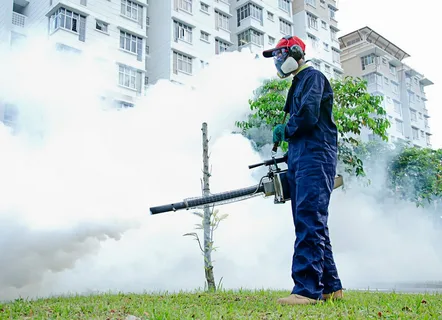
Fumigation services in Lahore help homeowners, tenants, offices, and commercial properties manage serious pest problems. Lahore’s changing weather, dense population, older buildings, food storage areas, and humid conditions can create suitable environments for many pests. These may include termites, cockroaches, bed bugs, mosquitoes, ants, rodents, and stored-product insects.
Professional pest control focuses on identifying the pest, locating the source of the infestation, and selecting an appropriate treatment method. However, people often use the term “fumigation” for many different pest control treatments. In technical terms, fumigation is a specific pest management process that uses a fumigant gas or chemical in a controlled environment. Other pest treatments may involve spraying, baiting, dusting, trapping, or integrated pest management.
This guide explains fumigation services in Lahore, common pest control methods, preparation requirements, safety steps, and factors to consider when selecting a service provider anywhere in Pakistan.
What Are Fumigation Services?
Fumigation is a pest control method designed to eliminate or control pests within a specific area or structure. Depending on the pest and treatment plan, pest management professionals may use different approved products and application methods.
The purpose of a treatment is not simply to kill visible insects. Effective pest control should also address the conditions that allow pests to survive and reproduce.
A professional inspection may identify:
- The type of pest
- The level of infestation
- Entry points and hiding areas
- Moisture problems
- Food sources
- Cracks and gaps in the building
- Areas that require repeated treatment
For this reason, proper pest inspection is an important part of fumigation and pest control services in Lahore and other Pakistani cities.
Common Pests That Require Pest Control in Lahore
Cockroaches
Cockroaches commonly live in kitchens, bathrooms, drains, cabinets, and areas with moisture. They can reproduce quickly when food and water are easily available.
Cockroach control may involve targeted insecticide treatment, gel bait, sanitation measures, and sealing entry points. Regular cleaning can support long-term control.
Termites
Termites can damage wooden doors, furniture, cabinets, flooring, and structural materials. Termite treatment is especially important because infestations may remain hidden for a long time.
Common signs include:
- Mud tubes on walls
- Hollow-sounding wood
- Damaged wooden furniture
- Small holes or weakened timber
- Swarms of winged insects during certain seasons
Termite control often requires a detailed inspection and a treatment plan based on the type and extent of the infestation.
Bed Bugs
Bed bugs usually hide near beds, mattresses, furniture joints, cracks, and upholstery. They can spread through luggage, used furniture, clothing, and other belongings.
Bed bug treatment often requires more than one step. A complete plan may include inspection, targeted treatment, laundering affected fabrics, vacuuming, and follow-up visits.
Rodents
Rats and mice can contaminate food and damage electrical wires, packaging, and household materials. Rodent control may combine trapping, bait stations, proofing, and sanitation.
Simply removing visible rodents may not solve the problem. Pest control should also address gaps, holes, and other entry points.
Ants, Mosquitoes, and Other Insects
Ants and mosquitoes can become more noticeable during warmer or wetter periods. Standing water, food waste, open drains, and unsealed openings can increase pest activity.
Preventive measures and targeted pest treatment can help reduce recurring infestations.
Types of Pest Control and Fumigation Methods
Not every pest problem requires the same treatment. A suitable method depends on the pest species, property type, infestation level, and safety requirements.
1. General Pest Control Spray
General pest control treatments may target crawling insects such as cockroaches, ants, and other household pests. Professionals apply products to selected areas where pests hide, travel, or enter the property.
The exact treatment should depend on the inspection findings.
2. Termite Control
Termite control can involve soil treatment, direct treatment of affected areas, or other methods suitable for the property. Treatment requirements differ between preventive termite protection and active termite infestation control.
3. Bed Bug Treatment
Bed bug control requires careful preparation because these pests hide in very small spaces. Treatment may focus on beds, furniture, cracks, and nearby areas.
Follow-up inspection is often important because eggs or hidden pests may survive an initial treatment.
4. Rodent Control
Rodent management may include:
- Inspecting the property.
- Identifying entry points.
- Placing suitable control measures.
- Removing food and shelter sources.
- Sealing gaps to prevent reinfestation.
5. Specialized Fumigation
True fumigation is a specialized process. It may require controlled conditions, trained professionals, safety procedures, and strict instructions for vacating and re-entering the treated area.
Property owners should never attempt chemical fumigation without appropriate professional knowledge and safety controls.
How Does the Fumigation Process Work?
Although the process varies, professional fumigation and pest control services generally follow several steps.
Step 1: Inspection
The technician examines the affected property and identifies the pest. This step helps prevent unnecessary or unsuitable treatment.
Step 2: Treatment Planning
The pest control team selects a method based on the infestation, property layout, and pest behavior. They may also explain preparation and safety requirements.
Step 3: Property Preparation
Residents may need to prepare the property before treatment. Instructions can vary depending on the method used.
Common preparation steps may include:
- Storing or covering food items
- Clearing treatment areas
- Protecting sensitive belongings
- Moving furniture if required
- Removing pets or arranging for their safety
- Following specific instructions for children and vulnerable occupants
Step 4: Pest Treatment
The professional applies the selected treatment according to the pest control plan. Treatment may involve spraying, baiting, dusting, trapping, or a specialized fumigation procedure.
Step 5: Waiting and Re-Entry
People should follow the professional’s instructions about when it is safe to return to or use the treated area. Re-entry time depends on the product and treatment method.
Do not assume that every treatment has the same waiting period.
Step 6: Follow-Up and Prevention
Some pest problems need additional monitoring or treatment. Bed bugs, termites, and severe cockroach infestations may require follow-up visits.
Prevention remains important even after treatment.
How to Prepare Your Home Before Fumigation
Proper preparation can improve treatment effectiveness and reduce unnecessary exposure.
Before pest control, ask the service provider for written or clear instructions. Requirements depend on the treatment.
You may need to:
- Remove exposed food from treatment areas.
- Clean food preparation surfaces when instructed after treatment.
- Keep children and pets away from treatment zones.
- Empty or cover items according to professional instructions.
- Provide access to affected rooms.
- Inform the technician about known pest hotspots.
- Mention previous treatments or recurring infestations.
Never mix pest control chemicals or apply additional products unless a qualified professional advises you to do so.
How to Choose Fumigation Services in Lahore
When comparing fumigation services in Lahore, focus on the quality of the pest management process rather than choosing only on price.
Consider these points:
Ask About the Pest Inspection
A reliable service should try to understand the pest problem before recommending treatment.
Ask Which Method Will Be Used
You should know whether the service involves general spraying, baiting, termite treatment, bed bug treatment, rodent control, or actual fumigation.
Request Safety Instructions
Ask what preparation is necessary and when occupants can safely re-enter the treated space.
Check Experience With Your Specific Pest
Different pests require different knowledge. A termite problem, for example, needs a different approach from a bed bug or cockroach infestation.
Understand Follow-Up Requirements
Ask whether severe infestations may require another inspection or treatment.
These principles can also help people compare pest control services across Pakistan, including Karachi, Islamabad, Rawalpindi, Faisalabad, Multan, and other major cities.
How Can You Prevent Pests After Treatment?
Pest prevention helps reduce the risk of reinfestation.
Follow these practical steps:
- Keep kitchens clean and dry.
- Store food in sealed containers.
- Dispose of garbage regularly.
- Repair leaking pipes and taps.
- Remove standing water where possible.
- Seal cracks and gaps around doors, windows, and pipes.
- Inspect wooden furniture for termite activity.
- Wash bedding and fabrics when managing bed bug risks.
- Avoid leaving pet food exposed for long periods.
- Schedule inspections when recurring pest activity appears.
Good sanitation alone may not eliminate an established infestation, but it supports professional pest control and makes the property less attractive to pests.
Conclusion
Fumigation services in Lahore can play an important role in controlling pests in homes, offices, restaurants, warehouses, and other properties. The best approach starts with correct pest identification, a suitable treatment method, proper preparation, and continued prevention.
Whether you need cockroach control, termite treatment, bed bug treatment, rodent control, or specialized fumigation, understanding the process helps you make informed decisions. These pest management principles are also relevant for property owners and businesses throughout Pakistan.
Frequently Asked Questions About Fumigation Services in Lahore
The following FAQs answer common questions about pest control, fumigation safety, preparation, and treatment frequency. They provide quick, direct information for people looking for practical guidance before arranging a pest treatment.
What are fumigation services in Lahore?
Fumigation services in Lahore refer to professional pest management solutions used to control pests such as termites, cockroaches, bed bugs, rodents, and other insects. The exact treatment method depends on the pest and level of infestation.
How long should I stay out of my home after pest treatment?
The required waiting time depends on the treatment method and products used. Always follow the specific safety and re-entry instructions provided by the qualified pest control professional.
Do I need to prepare my house before fumigation?
Yes, preparation is often required. You may need to protect food, clear treatment areas, manage pets, and follow other instructions based on the type of pest control treatment.
How often should I get pest control services?
The frequency depends on the pest problem, property condition, and risk of reinfestation. Some properties need one targeted treatment, while recurring or severe infestations may require follow-up inspections or treatments.
Is fumigation the same as general pest control spraying?
No. True fumigation is a specialized process that uses fumigants under controlled conditions. General pest control may instead use methods such as targeted spraying, baiting, trapping, or other integrated pest management techniques.

 English
 French
 Spanish
 Portuguese
 Deutsch
 Turkish
 Dutch
Dutch
 Italiano
 Russian
 Romaian
 Portuguese (Brazil)
 Greek
Greek