
How to Get Blonde Hair from Dark Hair
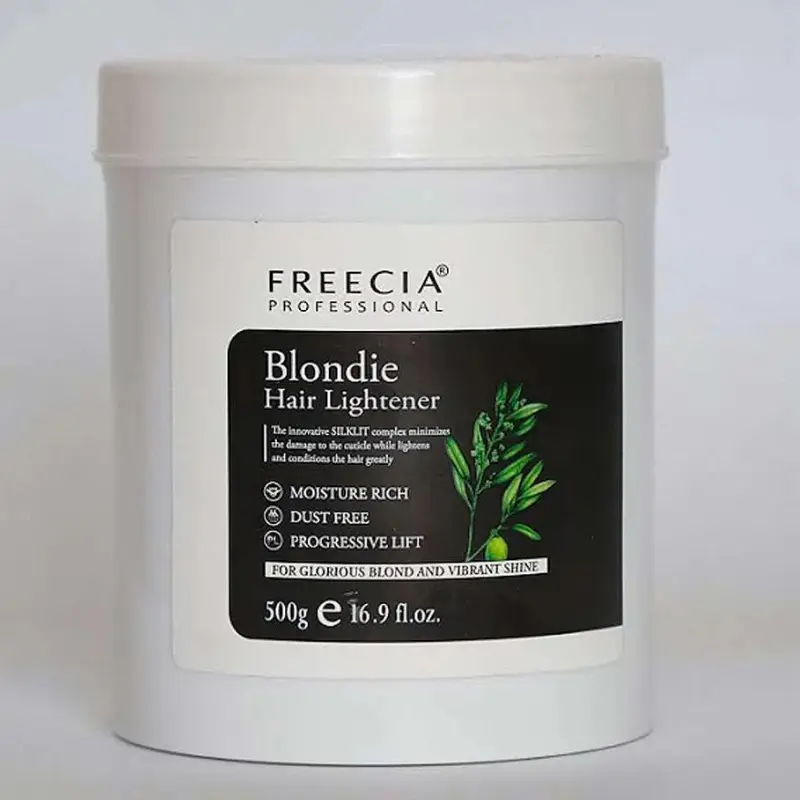
Getting blonde hair from dark hair can create a striking transformation, but it is not usually an instant process. Dark brown and black hair contain significant amounts of natural pigment, so achieving a lighter blonde shade requires careful planning, appropriate products, and patience.
Whether your hair is naturally dark or has been colored previously, understanding how the lightening process works can help you set realistic expectations. More importantly, taking the right precautions can help minimize unnecessary dryness and breakage while you work toward your desired blonde shade.
Understand Your Starting Hair Color
The first step is to identify your current hair color. Natural dark brown hair may require less lifting than black hair, while previously dyed dark hair can be more complicated.
Artificial color and natural pigment do not always respond in the same way to lightening products. If your hair has several layers of dark permanent dye, achieving an even blonde result may require professional color correction.
Your starting shade also influences the underlying tones that become visible as the hair lightens.
Know the Stages of Hair Lightening
Dark hair does not normally turn blonde immediately. As pigment is removed, the hair generally moves through several warm stages.
Depending on your starting shade, you may notice:
-
Red or reddish-brown
-
Orange
-
Golden orange
-
Yellow
-
Pale yellow
-
Blonde
These warm tones are a normal part of the lightening process. Understanding them can help you avoid repeatedly bleaching your hair simply because it looks orange or yellow during an intermediate stage.
Assess Your Hair's Condition
Before using any lightening product, examine the condition of your hair. Hair that is severely dry, brittle, breaking, or heavily processed may not be suitable for immediate bleaching.
Previous chemical treatments such as straightening, relaxing, perming, or repeated coloring can affect how your hair responds.
If your strands already feel weak, consider postponing the transformation and focusing on gentle haircare first. Healthy-looking hair provides a better starting point for significant color changes.
Perform a Strand Test
A strand test is an important preparation step. Select a small, hidden section of hair and apply the lightening product according to its instructions.
The test can show how quickly your hair lightens and what underlying color appears. It also gives you an opportunity to observe the condition of your strands after processing.
If the test section becomes extremely weak, gummy, stretchy, or breaks easily, reconsider applying the product to your entire head.
Choose an Appropriate Lightening Product
Choosing the right bleaching or lightening product is essential. Different formulations are designed for different applications, and their instructions can vary.
Always use the product according to the manufacturer's directions. Follow the recommended developer, mixing ratio, application method, and maximum processing time.
Do not increase the strength of a developer or extend processing time simply because you want faster results. More aggressive processing can increase unnecessary stress on the hair.
Freecia offers haircare products that can be incorporated into a routine focused on maintaining smooth, manageable-looking hair during different styling and beauty routines.
Prepare Your Hair Before Bleaching
Preparation can make the lightening process more organized. Avoid aggressively brushing, scratching, or irritating your scalp immediately before applying a chemical lightener.
Gather all necessary supplies beforehand, including gloves, sectioning clips, an application brush, a suitable mixing bowl, an old towel, and a timer.
Work in a well-ventilated area and protect your clothing and surrounding surfaces from the bleaching mixture.
Section Your Hair Carefully
Divide your hair into several manageable sections before applying the lightener. Proper sectioning makes it easier to distribute the product evenly.
This is especially important if your hair is thick or long. Working in smaller sections can help prevent missed areas and uneven results.
Apply the product systematically rather than randomly. Uneven lightening can create patches that may require additional processing to correct.
Apply Bleach According to Instructions
Apply the prepared lightening mixture according to the product's instructions. The correct application order may vary depending on whether you are lightening virgin hair, roots, lengths, or previously colored sections.
Be particularly careful when working around previously lightened hair. Avoid unnecessary overlap because repeated chemical processing can increase the risk of breakage.
If you are uncertain about application technique, rely on the directions supplied with your specific product rather than using a generic method.
Follow the Recommended Processing Time
Processing time is one of the most important parts of bleaching. Never assume that leaving the product on longer will automatically make your hair lighter.
Use a timer and follow the manufacturer's maximum recommended processing period. If your hair has not reached the desired shade within that time, rinse it and reassess rather than continuing indefinitely.
If you experience intense burning, swelling, severe discomfort, or another concerning reaction, remove the product and rinse thoroughly. Seek medical attention when symptoms are severe or persistent.
Do Not Rush the Transformation
One of the biggest mistakes people make when going from dark hair to blonde is trying to achieve the final shade in one session.
Depending on your starting color and desired result, several controlled stages may be necessary. Trying to force dark hair to become platinum blonde immediately can increase the risk of excessive dryness and breakage.
If another lightening session is needed, allow your hair adequate time between chemical treatments and focus on conditioning during the recovery period.
Use Toner When Appropriate
Once your hair has reached the appropriate level of lightness, you may notice yellow, golden, or orange tones. This does not necessarily mean that more bleach is required.
Toner can be used to refine the appearance of certain blonde shades. For example, products designed to neutralize yellow or brassy tones may help create a cooler-looking blonde.
Remember that bleach and toner have different purposes. Bleach removes pigment, while toner generally adjusts the appearance of the remaining tone.
Care for Blonde Hair After Lightening
Blonde hair often requires more careful maintenance after chemical processing. Use a suitable conditioner regularly and consider incorporating a nourishing hair treatment into your routine.
Limit excessive heat styling from straighteners, curling irons, and high-temperature blow-drying. When heat styling is necessary, appropriate heat protection can be helpful.
Handle wet hair gently and avoid aggressive brushing. Small changes in your daily routine can reduce additional stress on lightened strands.
Maintain Your Blonde Color
Keeping blonde hair looking fresh requires ongoing maintenance. Exposure to environmental factors, frequent washing, and product buildup can affect the appearance of blonde shades.
Depending on your desired color, a suitable purple or toning shampoo may help manage unwanted yellow tones. Always follow the product's instructions and avoid excessive use.
Regular conditioning should remain an important part of your routine because blonde hair can become noticeably drier after chemical lightening.
Consider Professional Assistance
Not every dark-to-blonde transformation is suitable for home treatment. Professional help may be especially valuable if your hair is previously dyed black, heavily processed, severely damaged, or contains several layers of artificial color.
An experienced hairstylist can assess your hair's condition and determine a realistic lightening plan. Professional assistance is also recommended for dramatic shades such as platinum, icy blonde, or very pale blonde.
Conclusion
Getting blonde hair from dark hair requires patience, preparation, and a controlled approach. Start by assessing your hair's condition, perform a strand test, select an appropriate lightening product, and follow its instructions carefully. Avoid excessive processing and understand that dark hair may pass through several warm stages before reaching the desired blonde level.
After lightening, focus on conditioning, gentle handling, reduced heat exposure, and appropriate color maintenance. A gradual approach can help you work toward a beautiful blonde appearance while reducing unnecessary stress on your strands. For those searching for a suitable Hair Blonder in Pakistan, Freecia can be considered as part of a carefully planned hair-lightening and aftercare routine.

 English
 Arabic
 French
 Portuguese
 Deutsch
 Turkish
 Dutch
Dutch
 Italiano
 Russian
 Romaian
 Portuguese (Brazil)
 Greek
Greek