
Common Metal Waterproofing Mistakes and How to Avoid Them
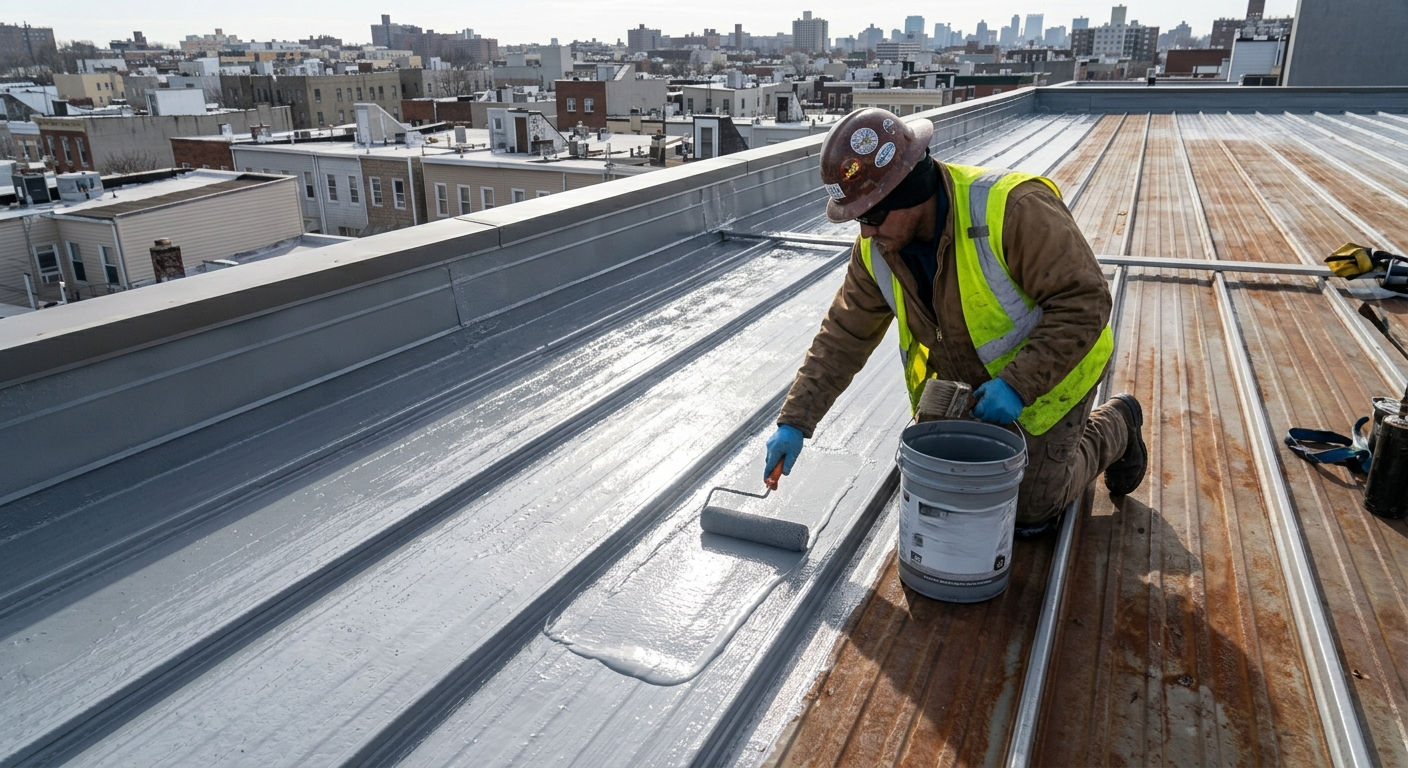
Metal structures are sturdy, adaptable, and commonly used for roofing, industrial buildings, tanks, balconies, warehouses, commercial properties, and infrastructure. However, metal is susceptible to water damage. Constant exposure to moisture, rain, humidity, condensation, and temperature fluctuations can eventually cause rust, corrosion, coating failure, and structural degradation.
This is where good metal waterproofing becomes critical. A good waterproofing system can help protect metal surfaces from moisture, improve durability, and lower long-term maintenance costs.
However, even high-quality waterproofing products might fail if typical installation mistakes are made. Understanding these flaws can assist property owners and building experts in producing better, longer-lasting results.
1. Skipping Proper Surface Preparation
One of the most typical blunders is to apply waterproofing directly to a dirty or poorly prepared metal surface.
Dust, corrosion, grease, old paint, loose coatings, and other impurities might impede effective adherence. Even if the new coating appears great at first, it may eventually peel, blister, or break.
How to Avoid It
Before applying, make sure the metal surface is thoroughly inspected and prepped. Depending on the situation, preparation may include cleaning, degreasing, mechanical abrasion, rust removal, or other appropriate techniques.
A clean and sturdy substrate provides an excellent basis for the waterproofing system.
2. Ignore Existing Rust and Corrosion
Another typical mistake is to apply a waterproofing coating on top of active rust. Rust can continue to form beneath the coating, eventually weakening the surface and causing the protective layer to collapse.
How to Avoid It
Before you start waterproofing, you need identify and treat any corrosion. Severely damaged areas may need to be repaired or replaced. Before applying the waterproofing system, where applicable, use a compatible anti-corrosion primer.
Waterproofing should protect the metal, not conceal an existing problem.
3. Selecting the Wrong Waterproofing Product
Not all waterproofing products are appropriate for metal surfaces. Some systems may have weak adhesion to metal, whereas others may not withstand thermal expansion and contraction.
Metal surfaces can grow quite heated in direct sunshine and then cool dramatically afterward. This movement can cause stress on hard coatings.
How to Avoid It
Choose a waterproofing system that has been specifically designed or tested for the desired metal substrate and environmental circumstances. Before deciding on a product, consider its flexibility, adhesion, UV resistance, temperature stability, and chemical exposure.
4. Applying the Incorrect Coating Thickness
Waterproofing performance is somewhat dependent on meeting the manufacturer's suggested thickness. Applying little material can leave the surface unprotected, whilst excessive application can cause curing or cracking issues depending on the substance.
How to Avoid It
Follow the manufacturer's application instructions closely. Professional applicators should measure coverage and thickness during installation rather than depending solely on visual appearance.
5. Ignoring Joints, Seams, and Connections
Metal roofs and structures frequently feature seams, joints, bolts, screws, penetrations, and connections. These places may become vulnerable points for water incursion.
Covering the primary surface while ignoring these nuances can lead to leaks, even if the majority of the waterproofing system is intact.
How to Avoid It
Examine and treat joints, fasteners, penetrations, edges, and transitions thoroughly. Use suitable sealants, reinforcing materials, or detailing processes as needed.
6. Waterproofing on Wet or Damp Surfaces
Moisture trapped behind a covering might cause major issues. Depending on the system, it can produce scorching, poor adhesion, bubbling, or premature deterioration.
How to Avoid It
Before applying the product, ensure that the surface matches its moisture requirements. Weather conditions must also be considered, especially when working outside.
Allow for adequate drying time after cleaning or rain before applying the waterproofing system.
7. Overlooking Drainage
Waterproofing is not a replacement for appropriate drainage. If water continues to build on a metal roof or structure, even a high-quality coating can be subjected to additional stress.
Standing water can also enhance the likelihood of corrosion if faults or weak areas occur.
How to Avoid It
Examine roof slopes, gutters, drains, outlets, and other water-management systems. Before beginning waterproofing work, clear any blockages and address any drainage concerns that may exist.
8. Ignoring Temperature and Weather Conditions
Environmental variables can have a considerable impact on waterproofing application and curing. Certain items may be affected by extreme heat, humidity, rain, or direct sunshine.
How to Avoid It
Follow the manufacturer's temperature and weather guidelines. Professional contractors should properly schedule application and maintain newly placed coatings as needed.
9. Failure to Inspect the Finished System
Some property owners believe waterproofing is complete once the coating is finished. Small flaws may go undetected if an inspection is not performed properly.
How to Avoid It
Perform a final inspection to look for missing portions, cracks, pinholes, weak joints, coating flaws, and other potential problems. Where applicable, testing methods can be employed to validate system performance.
10. Choosing Price Over Quality
A low-cost waterproofing solution may sound appealing, but saving expenses through ineffective materials or incompetent installation can lead to recurring repairs.
How to Avoid It
Compare contractors based on experience, materials, preparation procedures, warranties, craftsmanship, and overall system quality, rather than simply the initial quote.
Conclusion
Applying a protective coating alone is insufficient for successful metal waterproofing. Proper surface preparation, corrosion treatment, material selection, application, detailing, drainage, and maintenance all help to ensure long-term performance.
Property owners can limit the danger of leaks, corrosion, coating failure, and costly repairs by avoiding common mistakes and hiring competent workers. A well-planned waterproofing system can offer metal structures with increased protection and help extend their usable life.

 English
 Arabic
 French
 Spanish
 Portuguese
 Deutsch
 Turkish
 Dutch
Dutch
 Italiano
 Russian
 Romaian
 Greek
Greek