
Anchorage Rope Inspection Guide: Signs of Wear and When to Replace It
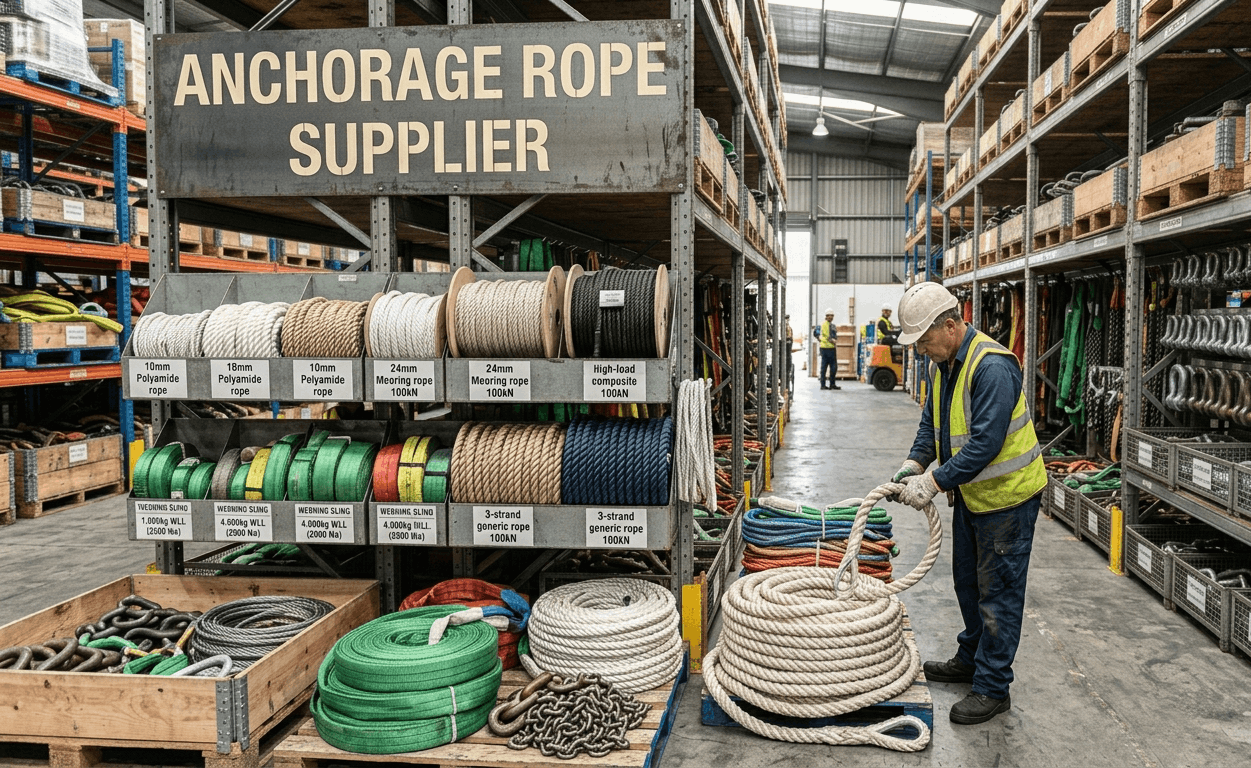
Anchorage ropes are used extensively in marine, offshore, port, and industrial applications. They aid in the securement of vessels, equipment, and loads that require dependable rope performance.
Because anchorage ropes are susceptible to water, sunlight, friction, heavy loads, and changing weather conditions, regular inspection is critical for ensuring safe and dependable operations.
Even high-quality ropes can degrade over time. Knowing what signs to check for and when to withdraw a rope from service can help organizations avoid unneeded hazards.
Working with a reputable anchorage rope supplier can also help you choose appropriate replacement ropes based on application, construction, and performance criteria.
Why Regular Anchorage Rope Inspections Matter
Ropes can wear gradually, which isn't usually visible. Repeated stress, abrasion, moisture, chemical exposure, and UV radiation can all have an impact on the rope's fibers and overall condition.
Regular inspections aid in detecting problems before they become more problematic. The inspection frequency should be determined by how frequently the rope is used, the environment, the type of load, and the manufacturer's recommendations.
A rope should be inspected before use, especially if it is being used for demanding purposes or has been stored for a long time.
1. Check for cuts and abrasion
Cuts, severe abrasion, and damaged fibers are some of the most evident indications of rope wear.
Pay particular attention to locations where objects frequently travel over surfaces, through fittings, or around equipment. Continuous friction can wear away the rope's outer fibers, gradually reducing its strength.
Minor surface wear may not always necessitate an urgent replacement, but considerable abrasion, deep cuts, or exposed internal fibers should be taken carefully. If the damage looks to be significant, remove the rope from service and have it evaluated by a competent person.
2. Check for Broken or Fuzzy Fibers
Some surface fuzzing may occur when a rope is utilized. However, considerable fiber damage can indicate severe wear.
During inspection, search for broken strands, loose fibers, strange fuzzing, or changes to the rope's natural architecture.
If individual strands appear seriously broken, or the rope appears drastically different from its initial state, it may no longer be acceptable for its intended use.
3. Inspect for cuts, splits, and deformation
A rope's form should remain generally consistent throughout its length. Bulges, flattened patches, kinks, severe twists, and other abnormal deformations may indicate internal or exterior injury.
Cuts and splits should also be examined closely. Damage to the rope's ends, splices, or connection points requires special attention because these locations might encounter concentrated loads and friction.
Do not dismiss strange changes in the rope's appearance just because it still feels robust when handled.
4. Check for Chemical Damage
Chemical exposure affects synthetic and natural rope materials differently. Contact with inappropriate chemicals can weaken fibers and affect the physical properties of the rope.
If the rope has been exposed to chemicals, oils, cleaning agents, or other potentially hazardous substances, consult the manufacturer's instructions before continuing to use it.
A competent anchorage rope supplier can assist you in determining which rope materials are best suited for your specific working environment.
5. Check for heat or burn damage
Excessive heat can damage rope fibers. Melted portions, hardened sections, glazing, discolouration, or textural changes are all possible signs.
Heat damage can result from contact with hot surfaces, severe friction, or other high-temperature circumstances.
If there is obvious melting or considerable thermal damage, the rope should be removed from service and properly assessed.
6. Consider UV and weather exposure
Outdoor anchor ropes may be exposed to sunshine, rain, seawater, and changing weather conditions for an extended period of time. UV light can cause damage over time, depending on the rope type and protective characteristics.
A rope that has been stored or used outside for an extended period of time should be carefully inspected. Fading, brittle fibers, surface degeneration, and other changes may indicate that the rope's condition has been compromised.
7. Inspect Splices and Connections
The rope is not the only part that requires inspection. Splices, eyes, knots, and connecting points should be examined on a regular basis.
Look for loose strands, damaged stitching (where appropriate), deformation, excessive wear, or movement near the attachment point.
Even if the main rope looks to be in good condition, a faulty connection can jeopardize the entire anchoring system's performance.
When should Anchorage Rope be Replaced?
There is no single replacement date for every anchorage rope. The service life of the rope is determined by its material, construction, frequency of use, ambient conditions, loading, maintenance, and storage.
A rope should be removed from use immediately if it reveals substantial damage such as:
-
severe wounds or abrasions.
-
Broken or severely damaged strands
-
Significant deformation.
-
Melted or heat-damaged portions.
-
Significant chemical degradation
-
Damaged splices or connectors.
-
Any circumstance that raises concerns about the rope's strength or integrity
When in doubt, it is safer to cease using the rope and seek advice from a skilled or competent professional.
Choosing A Reliable Anchorage Rope Supplier
When a replacement is required, firms should choose a provider who can provide detailed information about the rope's material, structure, size, strength, and intended use.
A reliable anchorage rope supplier can assist organizations in selecting appropriate materials depending on operational conditions and performance specifications. Product quality, technical specs, availability, and after-sales service are all important considerations.
Conclusion
Regular anchorage rope inspection is an essential component of safe maritime and industrial operations. Checking for abrasion, broken fibers, deformation, chemical damage, heat exposure, and connection issues can aid in detecting degradation early.
Rather than waiting for a rope to fail, organizations should implement regular inspection and replacement procedures based on real operating conditions and manufacturer guidelines.
Working with a reputable anchorage rope supplier can also help guarantee that the replacement ropes are appropriate for the intended application and working conditions.

 Arabic
 French
 Spanish
 Portuguese
 Deutsch
 Turkish
 Dutch
Dutch
 Italiano
 Russian
 Romaian
 Portuguese (Brazil)
 Greek
Greek