
The Application of Homeopathy in Vitiligo Patient Care Programs
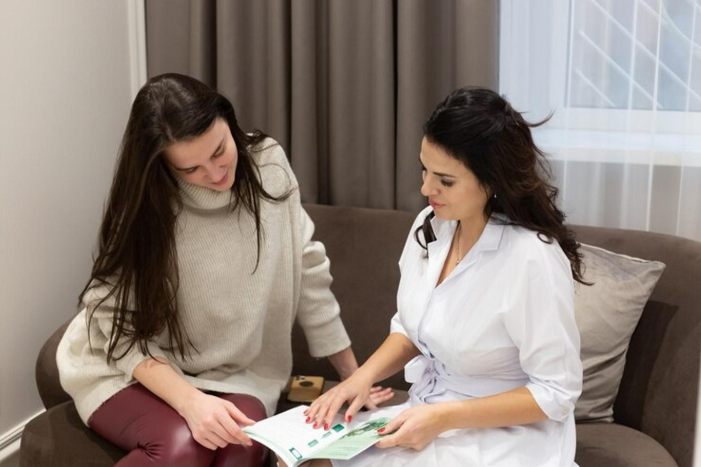
Patient care programs for vitiligo need to be patient, consistent, and holistic. This means caring for both physical symptoms and emotional stress. Many families turn to integrative or complementary options when they desire individualized attention and a gentle approach for the long-term.
Daily Care for Vitiligo
The symptoms of vitiligo range significantly from patient to patient. While some only notice small patches of lost color, others have more widespread changes that impact confidence and daily skin care rituals.
Any patient care program should be grounded in dermatology guidance, daily skin protection, and emotional support for patients. Homeopathy can be part of vitiligo care if it’s something your family wants to explore alongside traditional options.
Why Patients Consider Homeopathy
Homeopathy can appeal to patients because it allows them to feel like they’re receiving customized care. Instead of taking a standardized approach, homeopaths often:
-
Spend time during an initial consultation.
-
Ask about overall health in addition to skin symptoms.
-
Focus on gentle treatments that change gradually over time.
Patients may also like homeopathy because it involves a different style of care. For example:
-
It can be less intensive when symptoms have become long-term.
-
Trained practitioners spend time listening to patients.
-
Remedies are selected based on individual factors.
-
Patients often feel that homeopathic programs are personalized.
Most patients do not choose homeopathic treatment instead of medical advice for vitiligo. Instead, they use it as a supplement to dermatology appointments and sunscreen!
It’s important to have realistic expectations about what homeopathy can offer because a thoughtful treatment plan should never compromise patient safety or consistency for temporary hopes.
What to Expect With Homeopathic Treatment
Homeopathic treatments usually start with an extended consultation. Patients can expect to answer questions about:
Skin Changes
-
Related digestion issues
-
Energy levels and exercise tolerance
-
Sleep history and current stress
-
Family history and major emotional events
Once this information is collected, a practitioner will recommend a remedy that is supposed to match the patient’s unique symptoms.
Holistic supporters believe this method offers individualized care instead of matching a diagnosis to a general treatment. While this approach can be reassuring to patients looking into homeopathy for skin vitiligo, it’s not the only part of a patient care program.
Components of a Care Program
Prescribing remedies or dietary supplements is only one part of most patient care programs. You should also expect your practitioner to advise you on:
-
Follow-up appointments to assess change.
-
Tracking of symptoms through photographs.
-
Continuing sun protection and skin care.
-
Lifestyle habits that may play a role.
-
Managing expectations for stress and frustration.
Remember that emotional support is critical to any patient care program. Sustainable habits feed into your daily care plan by giving you more agency during life with vitiligo.
Complementary Approaches to Medical Care
Complementary treatments like homeopathy can be one part of vitiligo care, but they should never replace medical care! Ongoing dermatology support is how doctors confirm your diagnosis and recommend treatments that have scientific backing.
Homeopathy is typically used alongside conventional therapies to promote adherence and comfort. If you’re interested in learning about homeopathy for vitiligo, it’s equally important to know how your practitioner will support you in the context of traditional care.
Self-Esteem and Support From Family Members
Whether you’re treating vitiligo in children or adults, this condition can affect people at school, work, social outings, and family events. Care programs should always account for the emotional impact of vitiligo because it does not affect everyone the same way.
Parents can support their children by keeping an open dialogue about skin changes without placing extra attention on them. Treatment works best when patients understand how to use therapies consistently, so remind your child why following their care plan matters.
Finding a Qualified Homeopath
Not every homeopath will prioritize your safety or be transparent about how they work. It’s okay to ask questions about their treatment program and how they plan to support you through your vitiligo journey. Avoid practitioners who:
-
Make promises without providing evidence.
-
Fail to explain how remedies are chosen.
-
Don’t have a plan for follow-up appointments.
-
Try to treat you without dermatology input.
You should never feel uncomfortable asking questions of your homeopath or vetting them before starting treatment. The best providers won’t mind if you take the time to research their advice and ensure it fits within your overall treatment plan.
Adjusting Your Mindset If Needed
Vitiligo treatment often takes time to show results. Some lesions may stabilize before they start to repigment. Others may not respond to homeopathic treatment if they are newer lesions, located on the face, or more active.
Remember that homeopathy isn’t a guaranteed solution for faster skin restoration. If you’re searching online for best vitiligo treatment in india or anywhere else, ask yourself:
-
Is this practitioner working with my dermatologist?
-
How is my health and safety being supervised?
Whatever treatment path you choose, it should empower you to feel comfortable with consistent routines and realistic expectations for your skin.
Simple Lifestyle Tips for Better Care
There are many lifestyle habits that can help you feel more confident in your skin. Try to:
-
Apply sunscreen to all exposed skin every day.
-
Wear loose clothing that doesn’t irritate affected areas.
-
Keep all appointments with your healthcare providers.
-
Keep a log of your patches to document changes.
-
Speak up whenever you don’t understand something.
You have the power to take control of your vitiligo care! Establishing positive habits can help you feel stronger throughout every part of your treatment journey.

 English
 Arabic
 French
 Spanish
 Portuguese
 Deutsch
 Dutch
Dutch
 Italiano
 Russian
 Romaian
 Portuguese (Brazil)
 Greek
Greek