
How to Choose the Right Book Printing Service for Your Booklets
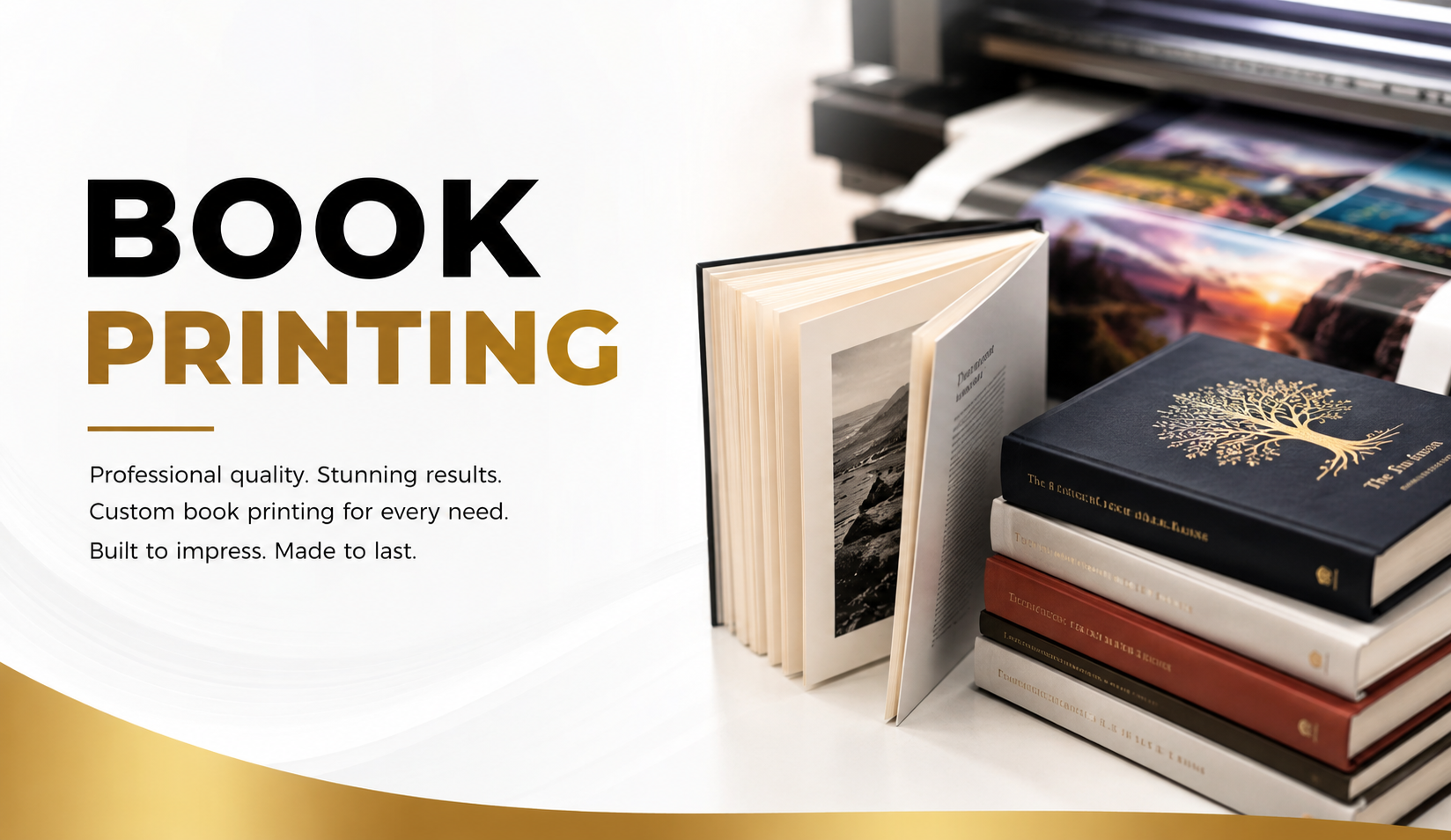
We know the feeling of opening a box of freshly delivered marketing materials only to find that the reality doesn’t match the vision. You spent weeks perfecting the layout, choosing the right images, and refining the copy, but the physical product feels flimsy or looks dull. Choosing a partner for professional Book Printing involves more than just clicking the first sponsored ad you see. It requires an understanding of how technical specifications translate into a tactile experience for your customers.
We see many business owners struggle with the gap between a digital PDF and a finished booklet. A screen hides many flaws that a high-speed press will highlight, such as low-resolution images or improper margin settings. We want to help you navigate these technical waters so you can choose a printing service that protects your brand’s reputation. When you find the right partner, you transform a simple stack of paper into a powerful sales tool that communicates authority and quality.
Evaluating Print Quality and Material Options
The weight and texture of your paper stock tell a story before a client reads a single word. We recommend that you request a physical sample pack from any printer you consider. Digital photos of past work rarely convey the stiffness of a cover or the smooth finish of a silk-coated interior page. We believe that your printer should offer a variety of weights, from lightweight 80lb text for internal pages to heavy 100lb or 120lb cover stocks.
Understanding Ink Saturation and Color Accuracy
Consistency across your brand materials defines your professional image in the eyes of your clients. We often see budget printers skip essential calibration steps, leading to "muddy" colors or inconsistent shades between orders. You need a service provider that utilizes modern digital or offset presses with built-in color management systems. We suggest asking your printer how they handle color profiles to ensure your brand’s signature palette stays true on every page.
Selecting Finishes That Enhance Durability
A booklet often travels through mail slots, briefcases, and multiple hands before it reaches its final destination. We encourage business owners to consider protective coatings like UV gloss or matte lamination for high-traffic items like product catalogs. These finishes prevent fingerprints and scuffs while adding a premium feel to the exterior. We find that a soft-touch laminate can create an emotional connection with the user through its unique, velvety texture.
Matching Binding Styles to Your Booklet’s Purpose
The way you bind your booklet dictates how people interact with the content inside. We often guide clients away from one-size-fits-all solutions because the page count and intended use change the mechanical requirements of the book. If you choose the wrong binding, your booklet might pop open or crack at the spine, which frustrates the reader and reflects poorly on your business.
Comparing Saddle Stitching and Perfect Binding
Saddle stitching remains the most cost-effective and popular choice for thinner booklets like event programs or newsletters. We typically recommend this method for projects under 64 pages because it allows the book to lay nearly flat. For thicker publications, such as annual reports or thick manuals, we suggest perfect binding. This method uses a strong adhesive to create a flat, professional spine that looks great on a bookshelf.
Utilizing Wire-O or Spiral Binding for Functionality
Some projects require the user to keep the book open to a specific page while their hands are busy. We suggest wire-o or plastic coil binding for training manuals, cookbooks, or workbooks. These methods allow the pages to turn 360 degrees without damaging the spine or causing the book to flip shut. We find that professional services help you choose the right pitch and color for the wire to match your design aesthetics perfectly.
Avoiding Technical Errors Before Production Starts
Many printing headaches start in the design phase long before the paper hits the press. We’ve noticed that even experienced designers sometimes overlook the mechanical requirements of a physical book. A professional printing partner will act as a second pair of eyes, catching issues like "creep" or insufficient bleed before they waste your budget. We believe that clear communication during the pre-press stage saves more money than any discount code ever could.
We recommend checking your layout for proper "safety zones" to keep your text away from the trim line. Understanding how to fix margin issues ensures that your content remains centered and legible after the binding process. We often see booklets where the text disappears into the spine because the designer didn't account for the thickness of the paper. A quality printer will flag these concerns and offer solutions rather than simply printing a flawed file.
Prioritizing Communication and Turnaround Times
Reliability often outweighs price when you have a firm deadline for a trade show or a product launch. We recommend looking for a printing service that provides a dedicated account manager or a responsive support team. You deserve a partner who answers your emails promptly and provides realistic timelines for production and shipping. We suggest avoiding companies that hide behind automated chatbots or provide vague shipping estimates.
We believe that a local or domestic printing partner offers significant advantages in terms of shipping speed and quality control. While overseas options might offer lower unit costs, the risk of damage during transit or long customs delays often negates those savings. We find that businesses thrive when they build long-term relationships with printers who understand their brand history and specific preferences.
Frequently Asked Questions
What is the minimum page count for a perfect-bound booklet?
We generally recommend a minimum of 40 to 60 pages for perfect binding, depending on the thickness of the paper stock. If the spine is too thin, the adhesive may not hold the pages securely over time.
Can I request a printed proof before my full order goes to press?
Yes, we strongly encourage requesting a physical proof for any large or high-value order. A digital proof helps you check for typos, but only a physical proof allows you to verify color accuracy and paper feel.
What is the difference between "text" and "cover" paper weights?
Cover stock is thicker and more rigid, designed to protect the booklet. Text stock is thinner and more flexible, making it ideal for the internal pages so the booklet remains easy to flip through.
How does "bleed" affect my booklet design?
Bleed refers to the area of your design that extends past the final trim size. We require a bleed (usually 0.125 inches) to ensure that your background colors or images reach the very edge of the page after trimming.
Building a Professional Printing Partnership
Choosing the right book printing service transforms your marketing strategy from average to exceptional. By focusing on material quality, binding mechanics, and technical precision, you ensure that your investment yields a high return. We know that the process involves many moving parts, but the right partner guides you through every step with expertise and transparency.
We take pride in helping our clients navigate the complexities of professional production to achieve results that truly represent their hard work. When you prioritize quality over the lowest possible price, you build a brand that commands respect and attention. If you need a partner who values your vision as much as you do, contact the team at Laguna Digital today to discuss your next project.

 English
 Arabic
 French
 Spanish
 Portuguese
 Deutsch
 Turkish
 Dutch
Dutch
 Russian
 Romaian
 Portuguese (Brazil)
 Greek
Greek