
Structural Repair Services: From Inspection to Rehabilitation
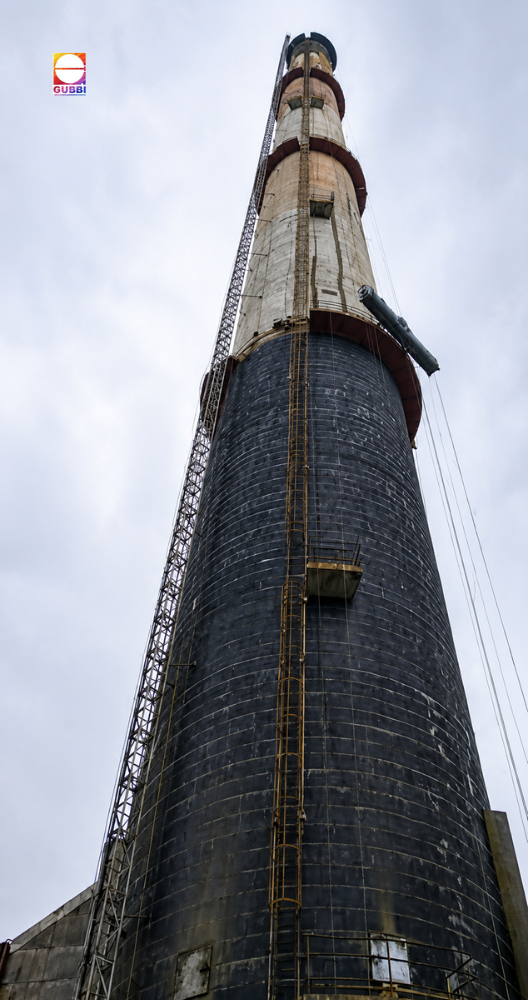
Structural repair services are essential when an existing building, industrial facility, bridge, or concrete structure begins showing signs of deterioration. Cracks, exposed reinforcement, spalling concrete, corrosion, water ingress, settlement, and reduced load capacity should never be treated as purely cosmetic concerns. They can indicate deeper problems requiring engineering assessment and carefully planned intervention. Choosing experienced structural repair contractors helps property owners restore performance, improve durability, and avoid unnecessary reconstruction costs.
Why Do Buildings Need Structural Repairs?
The need for structural repair usually develops gradually rather than appearing overnight. Ageing concrete, repeated loading, moisture penetration, carbonation, chemical exposure, poor workmanship, design limitations, and inadequate maintenance can weaken structural components over time. A small crack may remain harmless in one situation but become significant when associated with corrosion or movement. Understanding the cause before selecting a repair method is important for achieving a durable and technically appropriate result.
Many building owners begin searching for structural repair services after noticing cracks in beams, columns, slabs, or walls. However, visible damage is only one part of the problem. A professional assessment should consider the location, width, pattern, depth, surrounding concrete condition, reinforcement status, moisture exposure, and structural loading. This helps distinguish surface deterioration from damage that may affect structural capacity, allowing the repair strategy to address the actual source instead of covering visible symptoms.
Importance of Professional Structural Assessment
Structural repair contractors should begin with inspection and diagnosis rather than immediately applying repair materials. Depending on the structure and observed distress, engineers may review drawings, inspect reinforcement, assess concrete condition, investigate corrosion, and use appropriate testing methods. The objective is to establish a clear understanding of the defect and its cause. A repair designed around reliable findings is more likely to remain effective than a standard treatment applied without sufficient investigation.
One of the most common requirements in concrete repair is treatment of cracked and deteriorated surfaces. Cracks can result from shrinkage, thermal movement, overloading, settlement, corrosion, or other mechanisms. The correct treatment depends on whether a crack is active, dormant, structural, or non-structural. Repair may involve injection, sealing, removal and replacement of damaged concrete, or strengthening. The important principle is to match the repair system with the behaviour and severity of the defect.
Concrete Repair and Rehabilitation
Concrete spalling is another warning sign that should receive timely attention. When concrete separates from a surface, reinforcement may become exposed to moisture, oxygen, and aggressive environmental conditions. Continued corrosion can expand the reinforcement and cause further cracking and delamination. Effective concrete repair involves removing unsound material, preparing the affected area, protecting reinforcement where required, restoring the section, and providing suitable surface protection. Proper preparation is essential for achieving dependable repair performance.
Corrosion of reinforcement is particularly important because it can progressively reduce the durability of reinforced concrete members. Water and contaminants can reach embedded steel through cracks, porous concrete, inadequate cover, or deteriorated protective systems. Once corrosion begins, the resulting expansion can damage surrounding concrete. A durable rehabilitation strategy therefore needs to address both damaged concrete and conditions encouraging corrosion. Simply patching the surface without dealing with the underlying mechanism may allow deterioration to return.
Structural Repair and Waterproofing
Water ingress is often closely connected with concrete deterioration, especially in roofs, basements, terraces, tanks, podiums, and exposed structures. Persistent leakage can create damp conditions around reinforcement and accelerate material degradation. Structural repair and waterproofing may therefore need to be considered together when moisture contributes to damage. The objective is not simply to stop visible leakage, but to control the pathway through which water enters and protect repaired areas from recurring exposure.
Repairing Beams, Columns, and Slabs
For damaged beams and columns, repair decisions must consider the member's function and current structural demand. Some situations require restoration of damaged concrete, while others require additional strengthening because existing capacity is insufficient. Techniques such as jacketing, fibre-based strengthening, steel strengthening, or other engineered systems may be considered after assessment. The selected solution should account for load requirements, geometry, accessibility, fire considerations, durability, construction sequence, and operational conditions at the site.
Engineered load restoration is particularly important when structural members have experienced deterioration or when their required capacity has changed. Carbon fibre reinforced polymer systems may provide additional capacity without adding significant mass associated with conventional strengthening methods. They can be considered for beams, columns, slabs, and other suitable members. However, carbon fibre wrapping is not a universal solution. Substrate condition, load path, detailing, environmental exposure, and design requirements must be evaluated before application.
Micro-Concrete Jacketing
Micro-concrete jacketing can be considered when an RCC member requires section restoration or increased capacity through an engineered jacket. The method can improve the effective section around an existing member while integrating new material with the original structure. Successful execution depends on proper surface preparation, reinforcement detailing, formwork, material selection, placement, curing, and quality control. Because jacketing changes the member configuration, the repair should follow structural design rather than a purely construction-based decision.
Guniting and Shotcreting
Guniting and shotcreting are used for selected concrete rehabilitation applications where conventional casting is difficult or where access and geometry make sprayed placement practical. These methods can help restore deteriorated surfaces and build up concrete sections when properly designed and executed. Their performance depends heavily on substrate preparation, reinforcement treatment, mix quality, application technique, thickness control, curing, and inspection. Experienced contractors should establish the required procedure before work begins on critical structural areas.
Crack Repair and Injection Techniques
Epoxy injection and related crack repair methods can be useful for suitable cracks where the objective is to restore continuity or seal a defined path. The method should not be selected simply because a crack appears narrow. Engineers need to understand whether movement, moisture, corrosion, structural stress, or another mechanism is involved. If the cause remains active, a rigid repair may not provide the intended result. Crack diagnosis should therefore precede material selection and execution.
Protective Treatments After Structural Repair
Structural rehabilitation can also involve protective measures after damaged material has been repaired. Coatings, corrosion-control systems, waterproofing, and other protective treatments may help reduce future exposure to moisture, carbonation, chemicals, or aggressive environments. The protection strategy should be compatible with the substrate and operating conditions. Industrial facilities, for example, may require systems suited to chemical exposure and process conditions, while commercial buildings may require different durability and environmental protection requirements.
Benefits of Repairing Existing Structures
A major advantage of professional structural repair is the opportunity to extend the useful life of an existing asset. Demolition and reconstruction are not automatically the best choices when deterioration is localized or when the structure can be safely rehabilitated. Repair and strengthening can preserve usable spaces, reduce disruption, and support continued operation when properly planned. The decision should consider structural condition, future requirements, economics, safety, and the practical feasibility of rehabilitation.
How to Choose Structural Repair Contractors
Choosing structural repair contractors requires more than comparing quotations. Property owners should review relevant experience, technical capability, project methodology, safety practices, quality-control procedures, manpower, equipment, and the contractor's ability to work within site constraints. Previous experience with similar structures can be valuable because repair conditions vary widely. A contractor handling an industrial plant may need a different approach from one working in an occupied commercial building where access, noise, safety, and sequencing are major concerns.
Structural Repair Process
A reliable repair project normally follows a planned sequence from investigation through completion. The process may include condition assessment, diagnosis, repair design, method statement preparation, material approval, surface preparation, reinforcement treatment, repair execution, curing, inspection, and final protection. Quality checks should continue throughout the work rather than being performed only at the end. This approach helps identify workmanship issues early and supports consistent performance across different structural members and repair locations.
Structural Repairs in Industrial Facilities
For industrial structures, repair planning becomes even more important because construction activities may occur around ongoing production. Unplanned shutdowns can affect output, logistics, safety, and business continuity. Structural repair contractors working in such environments need to understand access limitations, operational hazards, permit requirements, temporary supports, work-at-height risks, and shutdown windows. Phased execution can sometimes allow repairs to proceed while limiting disruption, provided structural and safety requirements are addressed before work begins.
Importance of Preventive Maintenance
Preventive maintenance is another important part of structural asset management. Once repairs are completed, owners should monitor repaired locations and address sources of deterioration before they become major defects. Periodic inspections can identify new cracks, coating failures, leakage, corrosion signs, joint problems, or changes in structural behaviour. Maintenance is generally more manageable when defects are identified early. A long-term inspection and maintenance plan can therefore complement structural repair services and help protect the investment.
Understanding Structural Repair Costs
The cost of structural repair depends on several factors, so a reliable estimate should not be based only on the visible size of a defect. Damage severity, repair depth, member dimensions, access, reinforcement condition, material requirements, testing, temporary works, site restrictions, and the selected strengthening system can influence project cost. An initial inspection and clear scope definition help create a realistic budget. Early professional assessment can also reduce the risk of expensive corrective work later.
Repair, Strengthening, and Retrofitting
Building owners should also understand the difference between repair, strengthening, and retrofitting. Repair generally addresses deterioration or damage that has already occurred, while strengthening aims to improve the capacity or performance of an existing member. Retrofitting is broader and may involve upgrading an existing structure for changed loads, altered use, seismic requirements, or other performance needs. These approaches can overlap, but the correct solution depends on the engineering objective identified during assessment.
Why Consider Experienced Structural Repair Contractors?
When selecting a company for structural repair, look for a contractor that combines engineering understanding with practical execution capability. For businesses evaluating structural repair services, Gubbi Civil Engineers Limited can be considered when they need inspection-led repair, rehabilitation, and strengthening support across concrete and industrial structures; its published capabilities include fibre strengthening, micro-concrete jacketing, guniting, shotcreting, and corrosion-related repair solutions. The final selection should still be based on project-specific technical evaluation.
Long-Term Structural Protection
The most effective structural repair strategy is one that solves the underlying problem while meeting the structure's future requirements. Treating cracks, spalling, corrosion, or leakage as isolated surface defects can lead to repeated maintenance when the original cause remains unresolved. A systematic approach combines diagnosis, engineering design, suitable materials, skilled execution, quality control, and ongoing protection. This helps existing buildings and infrastructure remain safer, more durable, and better prepared for continued service.
When Should You Contact Structural Repair Experts?
If your structure shows recurring cracks, exposed reinforcement, concrete spalling, unusual deflection, water-related deterioration, or other signs of distress, professional evaluation should not be delayed. Early action can help identify whether the issue requires routine repair, concrete rehabilitation, strengthening, or broader retrofitting. The right structural repair contractors will focus on evidence, engineering requirements, site conditions, and long-term performance rather than offering a one-size-fits-all treatment for every damaged structure.
Structural repair is not simply about making a damaged surface look new again. It is about understanding why deterioration occurred, restoring the affected structural elements, improving durability, and protecting the asset against future damage. From concrete crack repair and corrosion treatment to jacketing, fibre strengthening, shotcreting, and protective systems, every solution should be selected according to actual site conditions. Professional assessment and skilled execution remain the foundation of reliable, long-lasting structural rehabilitation.

 English
 French
 Spanish
 Portuguese
 Deutsch
 Turkish
 Dutch
Dutch
 Italiano
 Russian
 Romaian
 Portuguese (Brazil)
 Greek
Greek