
Why Planned Maintenance Delivers Better Equipment Performance
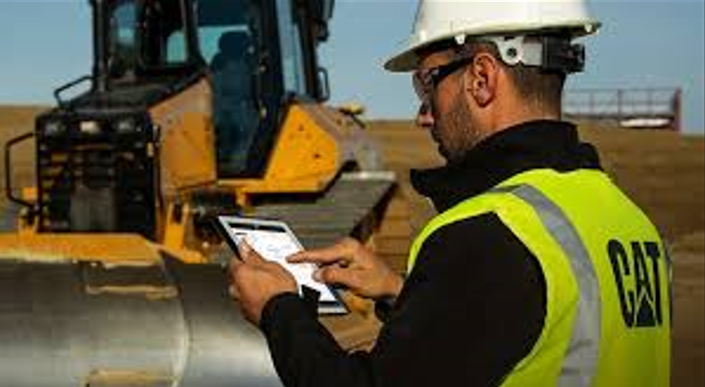
Construction equipment is expected to perform in demanding environments every day. Excavators dig through challenging ground conditions, cranes handle heavy lifting, loaders transport materials across active jobsites, and compact equipment supports countless daily operations. Every machine contributes to keeping projects on schedule, but even the most reliable equipment requires consistent maintenance to perform at its best.
Unfortunately, many contractors still rely on reactive maintenance repairing equipment only after it breaks down. While this approach may solve immediate problems, it often results in unexpected downtime, expensive repairs, disrupted schedules, and lower productivity. A planned maintenance strategy shifts the focus from reacting to failures to preventing them before they occur.
Construction equipment maintenance software helps contractors organize inspections, maintenance schedules, service history, work orders, and equipment records in one centralized platform. By planning maintenance instead of waiting for failures, construction businesses can improve equipment reliability, reduce operating costs, and maximize the value of every machine in their fleet.
Why Equipment Maintenance Is a Business Priority
Construction equipment is one of the largest investments a contractor makes. Every machine represents a significant financial commitment, and its performance directly affects project timelines, crew productivity, and operating costs.
When maintenance is inconsistent, even minor issues can develop into major mechanical failures that require costly repairs.
Poor maintenance practices can lead to:
-
Unexpected equipment breakdowns
-
Delayed construction schedules
-
Increased repair expenses
-
Lower equipment availability
-
Reduced equipment lifespan
-
Higher equipment rental costs
-
Lost productivity
-
Increased safety risks
A planned maintenance strategy helps reduce these challenges while supporting more reliable operations.
Reactive Maintenance vs. Planned Maintenance
Many construction companies are familiar with reactive maintenance because it focuses on fixing equipment only after something goes wrong.
Although this approach may seem cost-effective initially, it often creates larger operational problems over time.
Reactive maintenance commonly results in:
-
Emergency repair work
-
Unplanned downtime
-
Rush parts orders
-
Higher labor costs
-
Equipment sitting idle
-
Project interruptions
Planned maintenance takes a proactive approach by scheduling inspections and servicing before equipment failures occur.
Instead of reacting to breakdowns, contractors can keep equipment operating efficiently through regular maintenance activities.
Extend the Life of Heavy Equipment
Construction equipment operates under demanding conditions that naturally cause wear and tear.
Hydraulic systems, engines, cooling systems, transmissions, brakes, tracks, and tires all require routine attention to maintain peak performance.
Planned maintenance helps extend equipment life by ensuring that routine servicing is completed on schedule.
Typical maintenance activities include:
-
Engine oil and filter changes
-
Hydraulic system inspections
-
Cooling system servicing
-
Fuel system maintenance
-
Brake inspections
-
Battery testing
-
Tire and track inspections
-
Lubrication of moving components
-
Fluid level checks
-
Belt and hose inspections
Addressing routine maintenance consistently helps protect valuable equipment investments over the long term.
Reduce Unexpected Downtime
Equipment downtime affects much more than the machine itself.
If an excavator, crane, or loader unexpectedly fails, entire crews may be forced to stop working while waiting for repairs or replacement equipment.
This can affect:
-
Project schedules
-
Labor productivity
-
Equipment availability
-
Material deliveries
-
Resource allocation
-
Customer deadlines
Construction equipment maintenance software helps reduce downtime by organizing preventive maintenance schedules and ensuring servicing is completed before equipment failures occur.
Keeping equipment operational helps maintain consistent jobsite productivity.
Centralize Maintenance Information
Construction companies often manage dozens or even hundreds of machines across multiple projects.
When maintenance records are stored in filing cabinets, spreadsheets, or separate systems, locating accurate information becomes difficult.
A centralized maintenance platform allows contractors to maintain complete records for every asset, including:
-
Service history
-
Inspection reports
-
Work orders
-
Repair records
-
Maintenance schedules
-
Equipment operating hours
-
Parts replacements
-
Warranty information
Having one reliable source of maintenance information improves planning while reducing administrative effort.
Connect Maintenance With Equipment Operations
Maintenance should not operate independently from equipment management.
Project managers need to know not only where equipment is located but also whether it is ready for work.
Construction equipment maintenance software connects maintenance with daily operations by providing visibility into:
Equipment Availability
Know whether equipment is ready for assignment.
Service Status
Review scheduled and completed maintenance activities.
Equipment Condition
Monitor inspection findings and equipment health.
Upcoming Maintenance
Plan servicing around project schedules to minimize operational disruptions.
This integrated approach improves coordination between maintenance teams and field operations.
Improve Equipment Reliability
Reliable equipment helps contractors deliver projects on schedule.
Regular inspections and preventive maintenance reduce the likelihood of unexpected failures while improving overall machine performance.
Maintenance software supports reliability by helping contractors:
-
Monitor service intervals
-
Schedule inspections
-
Track repairs
-
Document maintenance activities
-
Organize maintenance workflows
-
Maintain complete equipment histories
Reliable equipment reduces operational uncertainty and improves confidence during project planning.
Support Better Maintenance Planning Across Multiple Jobsites
As construction businesses expand, maintenance becomes increasingly complex.
Equipment constantly moves between projects, making it difficult to coordinate servicing using manual methods.
Maintenance software provides visibility into:
-
Equipment locations
-
Upcoming maintenance schedules
-
Service priorities
-
Maintenance workload
-
Equipment utilization
-
Project assignments
Maintenance managers can schedule servicing more effectively while minimizing disruptions to active construction projects.
Use Maintenance Data to Improve Decision-Making
Every maintenance activity generates valuable operational information.
When analyzed over time, maintenance data helps contractors identify trends that support smarter business decisions.
Useful maintenance reports may include:
-
Downtime analysis
-
Equipment reliability
-
Maintenance frequency
-
Repair costs
-
Service completion rates
-
Parts replacement history
-
Equipment lifecycle performance
These insights help businesses improve maintenance strategies while supporting long-term equipment planning.
Improve Communication Across Departments
Maintenance involves multiple teams throughout a construction company.
Project managers, mechanics, equipment coordinators, supervisors, and operations managers all depend on accurate maintenance information.
A centralized maintenance platform improves communication by allowing authorized users to access:
-
Maintenance schedules
-
Equipment status
-
Inspection results
-
Open work orders
-
Completed repairs
-
Equipment availability
Shared visibility helps everyone make better operational decisions while reducing communication delays.
Scale Maintenance Processes as Your Fleet Grows
Manual maintenance tracking may work for smaller equipment fleets, but larger construction businesses require more structured processes.
Construction equipment maintenance software provides scalable maintenance management that supports growing equipment inventories and expanding operations.
Whether managing 25 machines or several hundred, centralized maintenance processes help maintain consistency across the organization while reducing administrative complexity.
Why Digital Maintenance Management Matters
Construction companies are increasingly adopting digital systems to improve productivity, reduce downtime, and gain better operational visibility.
A digital maintenance strategy allows contractors to move beyond paper records and manual reminders by centralizing maintenance planning, service history, inspections, and equipment data in one connected system.
This proactive approach helps contractors protect valuable assets while supporting more predictable construction operations.
Conclusion
Reliable equipment is essential for completing construction projects safely, efficiently, and on schedule. Waiting until machinery breaks down often leads to unnecessary downtime, higher repair costs, and project delays that affect overall productivity.
Construction equipment maintenance software enables contractors to plan preventive maintenance, organize service records, monitor equipment condition, schedule inspections, and improve maintenance coordination across every jobsite.
As construction projects continue to grow in complexity, planned maintenance is no longer simply a maintenance task; it is a critical part of successful equipment management. By investing in a proactive maintenance strategy, contractors can improve equipment performance, extend asset lifespan, reduce operating costs, and keep projects moving with greater confidence.

 English
 Arabic
 French
 Spanish
 Deutsch
 Turkish
 Dutch
Dutch
 Italiano
 Russian
 Romaian
 Portuguese (Brazil)
 Greek
Greek