
How EHR Software Supports Better Patient Engagement
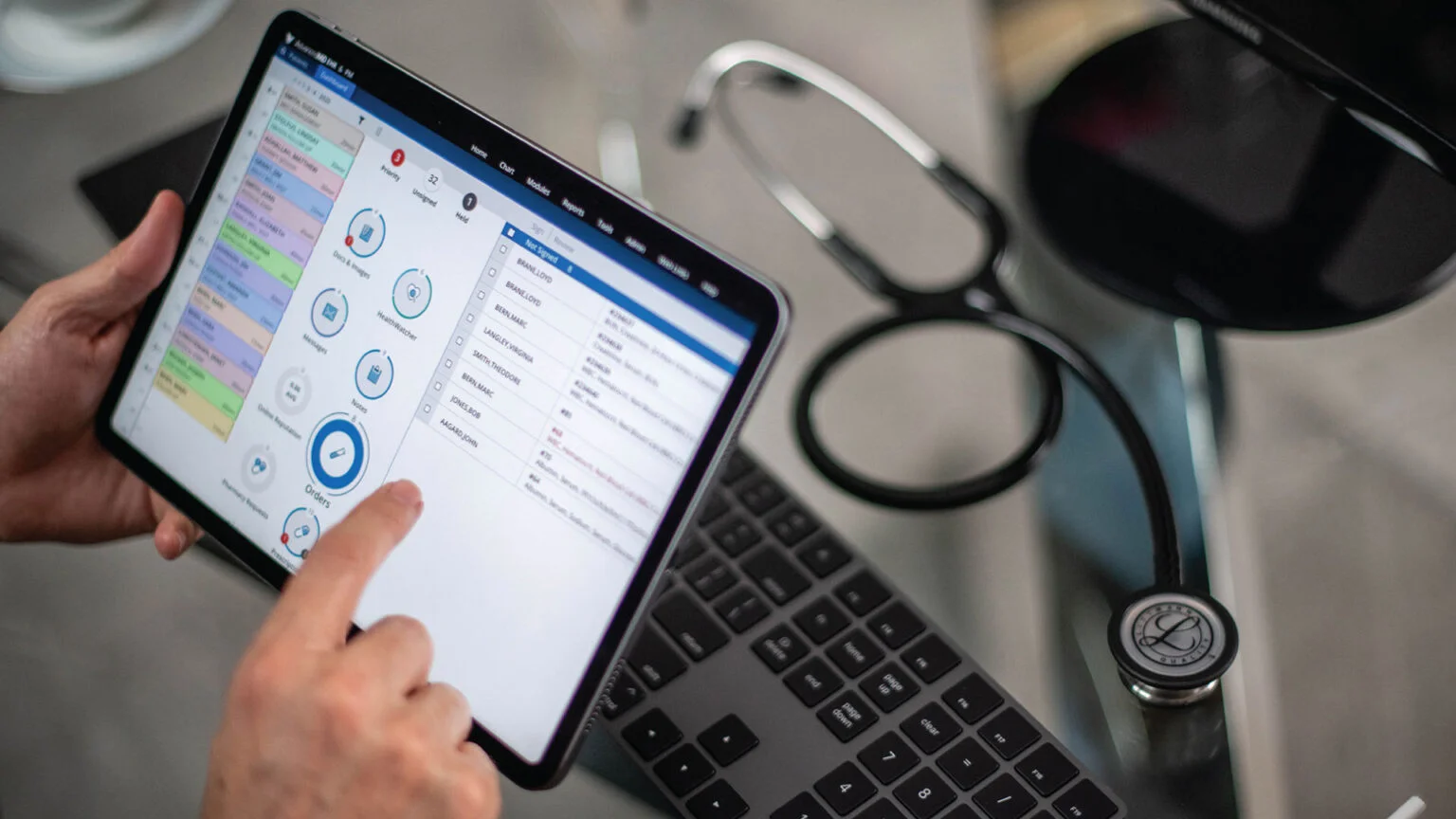
Patient engagement has become one of the most important aspects of modern healthcare. Engaged patients are more likely to follow treatment plans, attend follow-up appointments, take medications as prescribed, and actively participate in managing their health. This not only improves clinical outcomes but also enhances patient satisfaction and strengthens the relationship between healthcare providers and their patients.
Technology has transformed the way healthcare organizations interact with patients, and EHR Software is at the center of this transformation. Electronic Health Record (EHR) systems go beyond storing medical records they create opportunities for better communication, personalized care, and continuous patient involvement. Whether used in a small clinic or a large hospital, an EHR system enables healthcare providers to build stronger patient relationships through efficient digital tools.
Understanding Patient Engagement
Patient engagement refers to the active involvement of individuals in making informed decisions about their healthcare. Rather than being passive recipients of treatment, engaged patients collaborate with healthcare providers to achieve better health outcomes.
Engagement includes understanding medical conditions, following treatment recommendations, scheduling preventive care, asking questions, and maintaining open communication with healthcare professionals. Digital healthcare technologies make these interactions easier and more effective.
What Is EHR Software?
EHR Software is a secure digital system that stores and manages patient health information electronically. It includes medical histories, diagnoses, prescriptions, allergies, laboratory reports, imaging records, immunization history, appointment details, and clinical notes.
Unlike traditional paper records, electronic health records provide instant access to accurate patient information. This allows healthcare professionals to deliver more coordinated, timely, and personalized care while improving communication between patients and providers.
Easier Access to Personal Health Information
One of the biggest ways EHR Software supports patient engagement is by providing patients with easier access to their health information through secure patient portals.
Patients can review their medical history, laboratory reports, prescriptions, vaccination records, and treatment plans without waiting for printed documents. Having direct access encourages individuals to better understand their health and become more involved in managing their conditions.
Improved Communication Between Patients and Providers
Effective communication is essential for successful healthcare. Patients often have questions after consultations but may hesitate to visit the clinic again for simple clarifications.
Integrated messaging features within EHR platforms allow secure communication between patients and healthcare providers. Patients can ask non-emergency questions, receive guidance, and clarify treatment instructions, helping maintain continuous engagement between appointments.
Simplified Appointment Scheduling
Booking appointments manually can sometimes discourage patients due to long waiting times or busy phone lines.
Many EHR systems offer online appointment scheduling that allows patients to select available time slots, receive confirmation instantly, and manage appointments conveniently. This improves accessibility while reducing administrative workload for clinic staff.
Automated Appointment Reminders
Missed appointments affect both patients and healthcare providers. Delayed follow-up visits can slow recovery and reduce treatment effectiveness.
EHR Software automatically sends appointment reminders through SMS, email, or mobile notifications. These reminders help patients remember upcoming visits, reducing no-show rates and ensuring continuity of care.
Better Medication Management
Medication adherence is one of the biggest challenges in healthcare. Patients may forget medication schedules or misunderstand dosage instructions.
Electronic Health Record systems help improve medication management by maintaining updated prescription histories and providing clear medication instructions. Some platforms also send medication reminders that encourage patients to take medicines on time.
Personalized Healthcare Experience
Every patient has unique healthcare needs. Personalized care improves patient satisfaction and encourages long-term trust.
EHR Software allows physicians to review complete medical histories before consultations. This enables providers to recommend personalized treatments based on previous illnesses, allergies, medications, family history, and lifestyle factors, making every interaction more meaningful.
Faster Access to Laboratory Results
Waiting for diagnostic reports often creates anxiety for patients.
With integrated EHR systems, laboratory results are automatically uploaded to patient records. Physicians can review findings quickly, discuss results with patients sooner, and recommend appropriate treatment without unnecessary delays.
Better Chronic Disease Management
Patients living with chronic diseases such as diabetes, hypertension, asthma, or heart disease require continuous monitoring and regular follow-up.
EHR Software supports chronic disease management by tracking patient progress over time, recording vital health indicators, scheduling routine follow-ups, and maintaining treatment history. These features encourage patients to stay actively involved in long-term health management.
Encouraging Preventive Healthcare
Preventive care plays a major role in reducing serious health complications. However, many patients forget routine screenings, vaccinations, or annual health checkups.
Electronic Health Record systems generate reminders for preventive services based on patient age, gender, medical history, and risk factors. These automated alerts encourage patients to prioritize preventive healthcare rather than seeking treatment only after illness develops.
Increased Transparency in Healthcare
Patients appreciate transparency regarding their diagnoses, treatment options, and medical history.
Digital health records provide accurate and organized information that can be shared with patients during consultations. Better transparency builds trust and allows patients to make informed healthcare decisions alongside their providers.
Supporting Telemedicine Services
Virtual healthcare has become increasingly popular due to convenience and accessibility.
Modern EHR platforms integrate with telemedicine services, allowing physicians to review medical records before virtual consultations. Patients benefit from personalized remote care without needing to travel for every appointment, improving overall engagement.
Better Care Coordination
Patients often consult multiple specialists for different medical conditions. Coordinating care between healthcare providers can become difficult without shared medical records.
EHR Software enables authorized healthcare professionals to access updated patient information across departments, ensuring every provider has accurate clinical data. This coordinated approach reduces duplicate testing and improves treatment continuity.
Secure Sharing of Medical Information
Patients frequently need copies of laboratory reports, referral letters, imaging results, or medical summaries.
Electronic Health Record systems allow secure sharing of medical information with patients and authorized healthcare providers while maintaining strict privacy standards. Easy access to medical records empowers patients to take greater ownership of their healthcare journey.
Improved Patient Satisfaction
Patients value healthcare providers who communicate effectively, minimize waiting times, and provide personalized attention.
EHR Software improves the overall patient experience by reducing paperwork, streamlining clinic visits, accelerating documentation, and improving communication. Satisfied patients are more likely to return for future care and recommend the clinic to others.
Better Health Education Opportunities
Patient engagement extends beyond treatment. Educating patients about healthy lifestyles, disease prevention, and treatment options empowers them to make informed decisions.
Many EHR platforms allow healthcare providers to share educational materials, wellness recommendations, and personalized care instructions directly with patients. Better-informed patients are often more committed to achieving positive health outcomes.
Data-Driven Patient Follow-Up
Following up with patients after consultations demonstrates commitment to their well-being.
EHR systems make follow-up management easier by identifying patients who need repeat visits, medication reviews, laboratory testing, or preventive screenings. Automated follow-up workflows help maintain continuous patient engagement without increasing administrative burden.
Strengthening Trust Between Patients and Providers
Trust is the foundation of every successful healthcare relationship.
When patients experience organized appointments, accurate documentation, personalized treatment, transparent communication, and secure management of their health information, they develop greater confidence in their healthcare providers. EHR Software supports this trust by creating a consistent and reliable healthcare experience from the first visit onward.
Conclusion
Patient engagement is no longer limited to face-to-face consultations. Digital healthcare technologies enable continuous communication, personalized care, timely follow-ups, and improved access to health information throughout the patient journey. Healthcare providers that prioritize patient engagement often experience stronger relationships, improved treatment adherence, higher patient satisfaction, and better long-term clinical outcomes.
For healthcare organizations looking to enhance patient experiences, Instacare.com.pk offers modern digital healthcare solutions designed to improve clinical efficiency and communication. Investing in a reliable EHR Software in Pakistan solution helps clinics and hospitals strengthen patient engagement while delivering smarter, more connected, and patient-centered healthcare.

 Arabic
 French
 Spanish
 Portuguese
 Deutsch
 Turkish
 Dutch
Dutch
 Italiano
 Russian
 Romaian
 Portuguese (Brazil)
 Greek
Greek