
How Restaurants Use QR Codes for Menus, Ordering, and Contactless Service
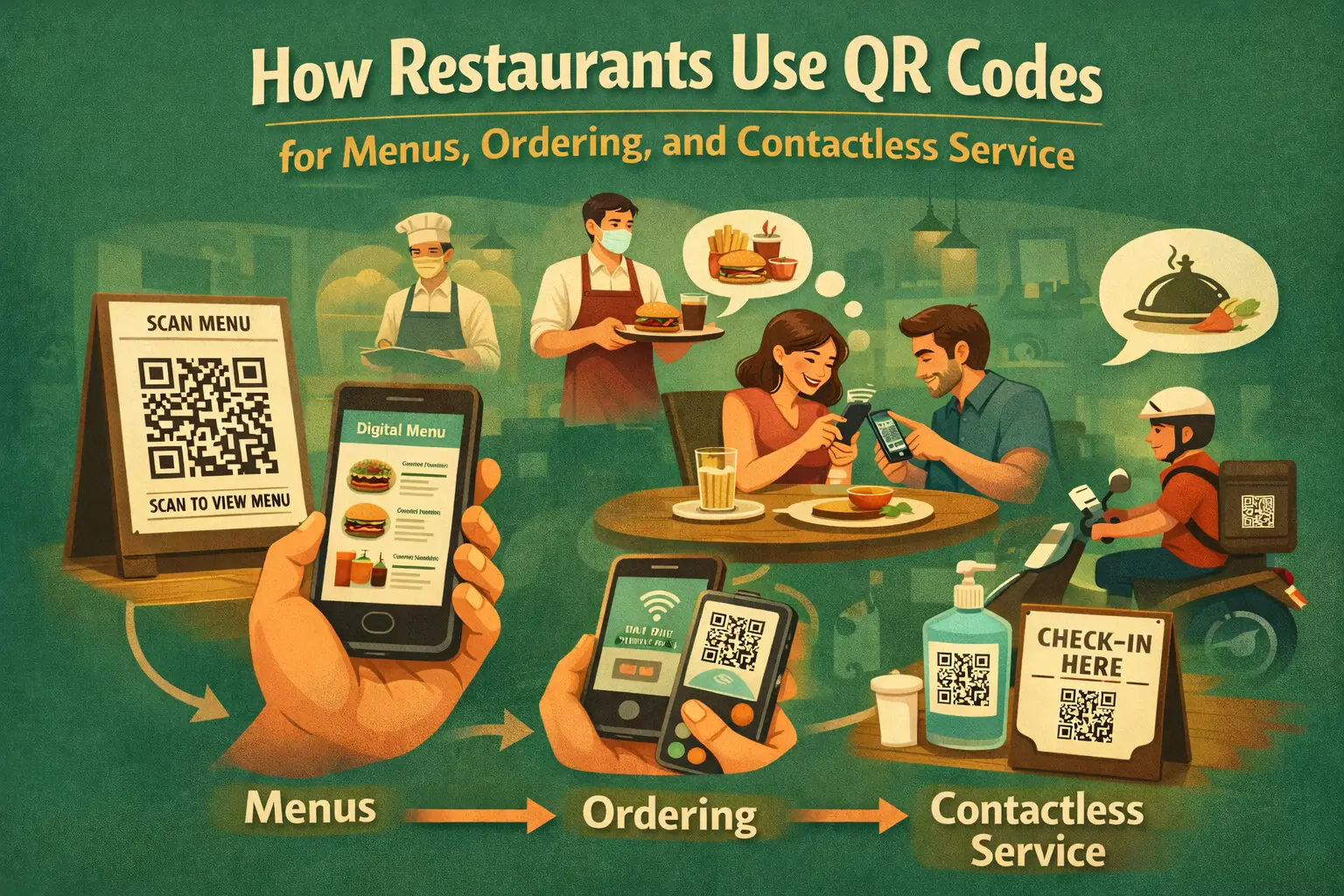
QR codes have become a quiet upgrade in the restaurant world. What used to be a simple tool for sharing links is now helping restaurants streamline service, reduce costs, and create smoother dining experiences.
From digital menus to mobile ordering and payments, QR codes are reshaping how customers interact with restaurants—without requiring complicated systems.
Let’s break down how they’re actually being used.
The Shift Toward Contactless Dining
Restaurants are always balancing speed, efficiency, and customer satisfaction. QR codes help with all three.
Instead of relying on printed materials or constant staff interaction, customers can access what they need directly from their phones.
This small shift creates big advantages:
-
Less waiting
-
Fewer errors
-
Lower operational costs
-
More flexibility for updates
It’s not about replacing service—it’s about removing friction.
Digital Menus That Are Always Up to Date
The most common use of QR codes in restaurants is simple: replacing printed menus.
Customers scan a code and instantly see a digital menu that can include:
-
Item descriptions
-
Pricing
-
Photos
-
Dietary information
Why restaurants prefer digital menus
Menus change often. Prices shift, items sell out, and seasonal dishes rotate in.
With a QR-based menu:
-
Updates happen instantly
-
No reprinting costs
-
Changes reflect in real time
-
Multiple languages can be offered easily
Restaurants can generate and link these menus using tools like QRColor, making the setup quick and accessible even without technical skills.
Ordering Directly From the Table
QR codes are also changing how orders are placed.
Instead of flagging down a server, customers can:
-
Scan the QR code
-
Browse the menu
-
Submit their order directly
Why this works well
-
Speeds up service during busy hours
-
Reduces miscommunication
-
Frees up staff for higher-value interactions
-
Creates a more independent experience for customers
This model is especially effective in fast-paced environments like cafés, casual dining spots, and high-traffic locations.
Faster, Simpler Payments
Payment is another area where QR codes shine.
Rather than waiting for the bill:
-
Customers scan a code
-
Pay through their phone
-
Optionally leave a tip
This makes checkout quicker and reduces bottlenecks, especially during peak times.
It also simplifies bill splitting, which is often a pain point in group dining.
Beyond the Basics: Engagement and Marketing
QR codes aren’t limited to operations—they can also enhance customer engagement.
Restaurants can use them to:
-
Promote special offers
-
Link to loyalty programs
-
Collect reviews or feedback
-
Share social media pages
-
Highlight stories behind dishes or ingredients
A single QR code can act as a bridge between the physical dining experience and the restaurant’s digital presence.
Where QR Codes Work Best in a Restaurant
Placement matters more than people expect.
Effective spots include:
-
On tables (menus and ordering)
-
At entrances (preview menus)
-
On receipts (reviews or discounts)
-
On packaging (repeat orders or promotions)
The key is visibility and timing—placing the code where customers naturally interact with it.
Best Practices That Make a Difference
Using QR codes is easy. Using them well is what matters.
Make the purpose clear
Tell customers exactly what happens when they scan.
Keep the experience fast
The page should load quickly and be mobile-friendly.
Avoid overcomplication
One QR code = one clear action.
Test everything
Scan it yourself. Then test it again.
Design for readability
High contrast and clean layouts improve scan reliability.
Do QR Codes Replace Traditional Service?
Not necessarily.
QR codes work best as a support tool—not a full replacement.
Some restaurants combine both:
-
QR codes for convenience
-
Staff interaction for hospitality
This hybrid approach keeps efficiency high without losing the human element.
Final Thoughts
QR codes have become a practical, low-cost way for restaurants to modernize how they operate.
They simplify menus, speed up ordering, improve payments, and open new opportunities for customer engagement—all through a single scan.
For restaurants looking to improve efficiency without overhauling their systems, QR codes offer one of the easiest upgrades available.
And for customers, they quietly make the dining experience faster, smoother, and more flexible

 English
 Arabic
 French
 Spanish
 Deutsch
 Turkish
 Dutch
Dutch
 Italiano
 Russian
 Romaian
 Portuguese (Brazil)
 Greek
Greek