
Pure Handwoven Banarasi Silk Sarees for Bridal Wear
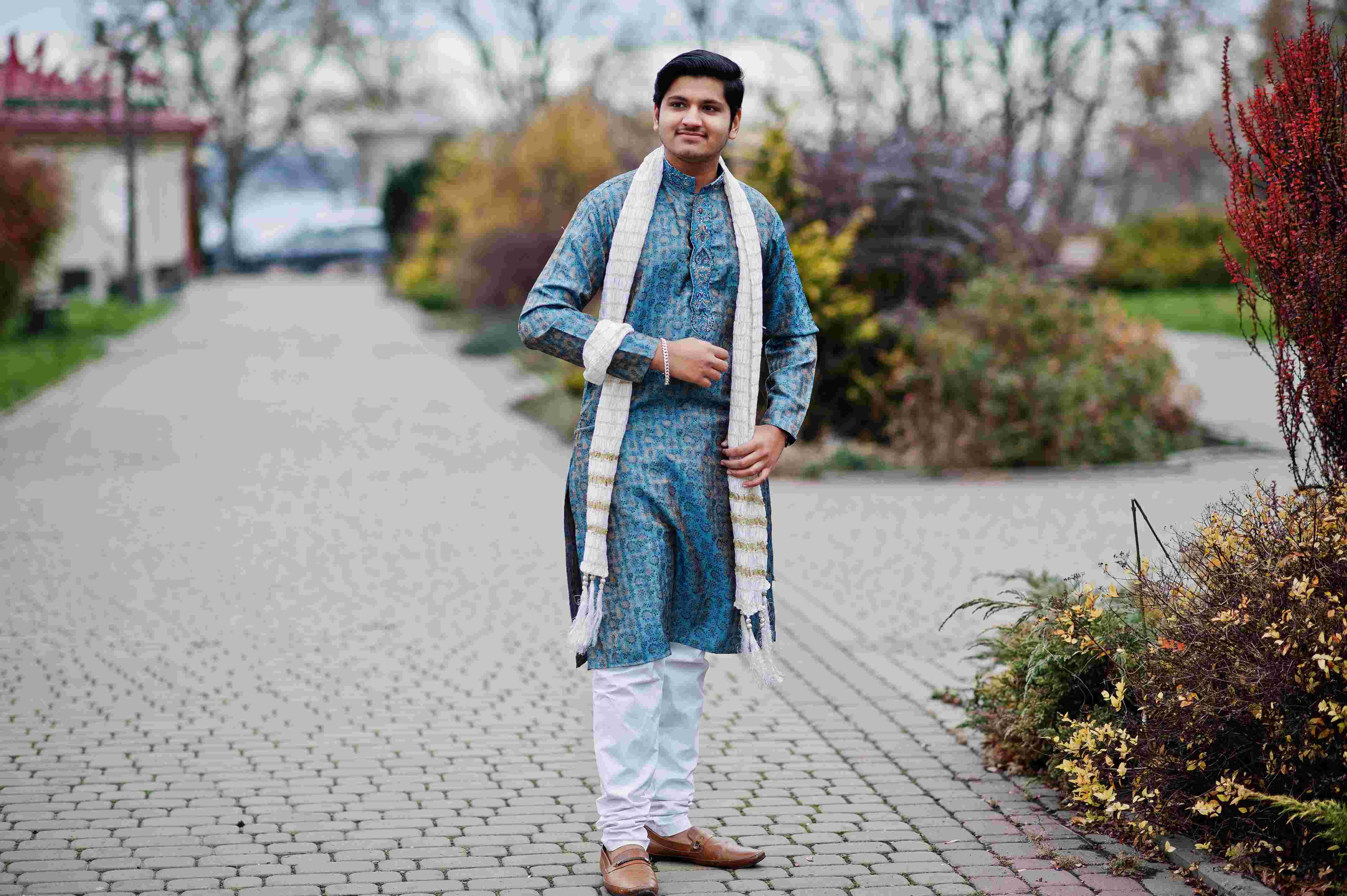
The Banarasi silk saree holds an irreplaceable position in Indian bridal traditions, representing centuries of artistic excellence and cultural heritage. When a bride drapes herself in a Banarasi silk saree, she adorns not just fabric but a masterpiece woven with golden threads of tradition, craftsmanship, and timeless beauty. These exquisite sarees from the ancient city of Varanasi have graced royal weddings and continue to be the ultimate choice for brides seeking authenticity and grandeur.
The Heritage Behind Banarasi Silk Sarees
Each Banarasi silk saree is a testament to the unparalleled skill of master weavers who have inherited their craft through generations. The creation of a single Banarasi silk saree can take anywhere from fifteen days to six months, depending on the intricacy of the design and the richness of the zari work. These sarees feature elaborate motifs inspired by Mughal art, including intricate florals, foliate patterns, kalga and bel designs, and the characteristic jhallar at the outer edge of the border.
The pure silk used in authentic Banarasi silk sarees provides a lustrous sheen that catches light beautifully, creating an ethereal glow around the bride. The zari work, traditionally made with real gold and silver threads, adds weight and opulence to the fabric. Modern variations use high-quality metallic threads that maintain the traditional aesthetic while offering more accessible price points. The pallus of these sarees are often the most elaborate sections, featuring dense weaving patterns that showcase the weaver's artistry at its finest.
Choosing the Perfect Banarasi Silk Saree for Your Wedding
Selecting the right Banarasi silk saree for your wedding day involves considering several factors. Color choice plays a crucial role—traditional reds and maroons symbolize prosperity and love, while contemporary brides are embracing jewel tones like emerald green, royal blue, and deep purple. Pastel Banarasi silk sarees in shades of peach, mint, and blush pink have also gained popularity for daytime ceremonies and reception wear.
The weaving technique determines the saree's overall appearance and texture. Katan Banarasi features a plain woven base with intricate brocade work, while Shattir involves different colored threads creating a unique two-toned effect. Tissue Banarasi incorporates metallic threads throughout the fabric, creating a shimmering surface perfect for evening celebrations. Organza (Kora) Banarasi offers a lighter, more breathable option ideal for brides who prefer less weight while maintaining the traditional aesthetic.
Styling and Preserving Your Banarasi Treasure
Draping a Banarasi silk saree is an art form in itself. The traditional Nivi style remains most popular for weddings, allowing the elaborate pallu to cascade gracefully over the shoulder, displaying its intricate patterns. Bengali and Gujarati draping styles offer regional variations that add cultural authenticity to the bridal ensemble. Pairing your Banarasi silk saree with antique gold jewelry, temple jewelry, or polki sets enhances its regal appearance.
Proper care ensures your precious Banarasi silk saree remains beautiful for generations, potentially becoming a cherished heirloom. These sarees should be dry-cleaned by specialists familiar with silk and zari work, never washed at home. Storage requires wrapping the saree in muslin cloth rather than plastic, which can trap moisture. Periodically unfolding and re-folding along different lines prevents permanent creases, while keeping them away from direct sunlight preserves the vibrant colors and metallic sheen that make these sarees extraordinary keepsakes of your special day.
Traditional Wedding Sherwanis for Men with Regal Fit
When it comes to traditional Indian wedding attire, few garments command the same level of respect and admiration as the sherwani. This quintessential outfit has been the cornerstone of men's wedding fashion for centuries, representing dignity, cultural heritage, and timeless elegance. For grooms seeking to make a statement on their special day, sherwani men's fashion offers an unparalleled combination of traditional craftsmanship and contemporary sophistication.
The sherwani traces its origins to the Mughal era, where it was worn by nobility and royalty. Today, it remains the preferred choice for grooms who want to honor their cultural roots while embracing modern tailoring techniques. The regal fit of a well-crafted sherwani transforms any man into a vision of princely elegance, making it the perfect choice for weddings, engagement ceremonies, and other significant celebrations.
Understanding the Regal Fit
The hallmark of an exceptional sherwani lies in its fit. Unlike off-the-rack alternatives, a properly fitted sherwani should contour to the body's natural lines while allowing comfortable movement throughout lengthy wedding ceremonies. The regal fit emphasizes broad shoulders, a defined chest, and a tapered waist, creating a silhouette that exudes confidence and authority.
Sherwani men typically seek outfits with specific length considerations. Traditional sherwanis extend to knee-length or slightly below, with some contemporary variations reaching mid-thigh. The proper length depends on the wearer's height, body proportions, and personal preference. The collar style—whether band collar, Nehru collar, or mandarin collar—further defines the overall aesthetic and should complement the wearer's facial structure.
Modern tailoring has revolutionized how sherwanis fit, incorporating Western tailoring principles while maintaining traditional aesthetics. Darting, careful seam placement, and structured shoulders ensure that sherwani men enjoy both comfort and style. The armholes are cut higher to prevent restriction, while the side slits allow ease of movement, particularly important during wedding rituals that require sitting cross-legged.
Fabric Selection for Traditional Elegance
The choice of fabric significantly impacts both the appearance and comfort of a sherwani. Silk remains the most popular choice for wedding sherwanis, offering natural sheen and draping qualities that photograph beautifully. Brocade silk, with its raised patterns and luxurious texture, creates dimension and visual interest without requiring excessive embellishment.
For warmer climates or summer weddings, sherwani men often prefer lighter fabrics such as silk blends, jacquard, or even fine cotton. These materials provide breathability while maintaining the structured appearance essential to the garment's regal character. Velvet sherwanis, though heavier, remain favored for winter weddings, offering rich color depth and a sumptuous texture that speaks to luxury and tradition.
The fabric's weight affects how the sherwani drapes and holds embroidery. Heavier fabrics support elaborate threadwork and embellishments, while lighter materials suit minimalist designs with subtle detailing. Understanding this relationship helps grooms select sherwanis that align with their aesthetic vision and practical requirements.
Embellishment and Embroidery Techniques
Traditional sherwanis showcase various embroidery styles, each with regional significance and distinct visual characteristics. Zardozi work, featuring gold and silver metallic threads, creates opulent designs perfect for grand celebrations. This labor-intensive technique involves skilled artisans who hand-stitch intricate patterns, making each sherwani a unique work of art.
Resham embroidery uses colored silk threads to create vibrant floral and paisley motifs. This technique offers versatility in color combinations and allows for both bold statements and subtle elegance. Sherwani men seeking a balance between tradition and restraint often gravitate toward resham-embroidered pieces with strategic placement of decorative elements.
Stone and sequin work adds sparkle and dimension, particularly effective under wedding lighting. However, moderation is key—excessive embellishment can overwhelm the garment's inherent elegance. The most sophisticated sherwanis feature embroidery concentrated on the collar, cuffs, front panel, and hem, leaving breathing room for the fabric's natural beauty to shine through.
Color Palettes for Modern Grooms
While ivory and cream remain classic choices for sherwani men, contemporary grooms increasingly explore diverse color palettes. Deep jewel tones like emerald green, sapphire blue, and burgundy create dramatic impact while maintaining traditional sensibilities. These colors photograph exceptionally well and complement various skin tones.
Pastel sherwanis have gained popularity for daytime ceremonies and mehendi functions. Powder blue, blush pink, mint green, and lavender offer freshness and modernity while respecting ceremonial significance. These softer hues pair beautifully with contrasting dupattas and accessories, allowing for personalized styling.
Gold and champagne sherwanis occupy a special place in wedding fashion, evoking royal heritage and celebratory splendor. These metallic tones work particularly well with traditional zardozi embroidery, creating cohesive designs that shimmer with understated luxury. The key is selecting shades that complement rather than compete with the bride's attire.
Accessorizing Your Sherwani
A sherwani's regal appearance depends partly on thoughtful accessorizing. The dupatta or stole, traditionally draped over one shoulder, adds vertical lines that elongate the silhouette. Sherwani men should coordinate dupatta fabric and color with the main garment while introducing subtle contrast through embroidery or trim.
Mojaris or jutis—traditional Indian footwear—complete the ensemble with authentic cultural flair. Modern options incorporate comfortable cushioning while maintaining traditional aesthetics. Coordinating the footwear's color with the sherwani's primary or accent colors creates visual harmony.
Statement jewelry pieces like kalgis (turban ornaments), necklaces, and brooches personalize the look. However, restraint prevents the appearance from becoming costume-like. Sherwani men typically choose one or two significant pieces rather than layering multiple accessories. A well-chosen watch or cufflinks can add contemporary touches without compromising traditional elegance.
Customization and Made-to-Measure Benefits
Investing in a custom-made sherwani ensures perfect fit and personalized design elements. Tailors take comprehensive measurements, considering posture, shoulder slope, and body proportions that ready-made garments cannot accommodate. This attention to detail results in the regal fit that distinguishes exceptional sherwanis from ordinary ones.
Customization allows grooms to select specific fabrics, embroidery styles, color combinations, and design details that reflect their personality and wedding theme. Working with experienced tailors who understand traditional construction methods while embracing modern preferences creates truly unique pieces.
The made-to-measure process typically requires multiple fittings over several weeks. Sherwani men should begin this process at least three months before the wedding date, allowing adequate time for adjustments and alterations. This investment in craftsmanship pays dividends in confidence, comfort, and photographic appeal.

 English
 Arabic
 French
 Spanish
 Portuguese
 Deutsch
 Turkish
 Dutch
Dutch
 Italiano
 Russian
 Romaian
 Portuguese (Brazil)