
Micro OLED Display for AR/VR Devices and Optics
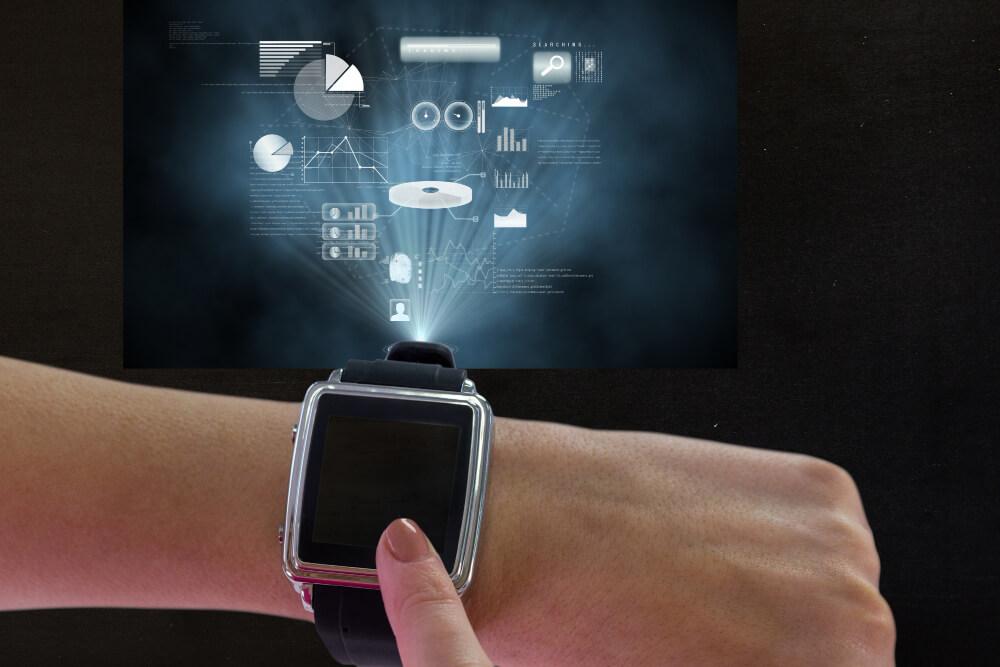
AR/VR devices struggle with bulky optics, poor brightness, and high power use. Traditional OLED and LCD panels cannot meet the compact size and visual clarity needed for near-eye systems.
In this article, you will understand how micro oled display technology solves these issues and why manufacturers are rapidly adopting it for next-gen AR/VR devices.
The Problem with Traditional OLED and LCD in Near-Eye Devices
Older display technologies were designed for TVs and smartphones, not for near-eye optics.
Size Limitation
Large panels require complex optics to shrink images for the eye, increasing module size.
Low Pixel Density
Poor PPI leads to screen-door effect and blurry visuals in AR/VR.
High Power Consumption
Traditional panels drain battery quickly in wearable devices.
What Is a Micro OLED Display?
A micro oled display is a tiny OLED panel built on a silicon wafer instead of glass. It combines OLED light emission with semiconductor backplane control.
Built on Silicon Backplane
Enables ultra-high pixel density and precise control.
Self-Emissive Pixels
No backlight required, improving contrast and efficiency.
How Micro OLED Display Works in AR/VR Optics
Micro OLED panels project images through optical modules like pancake lenses, birdbath optics, or waveguides directly into the eye.
Direct Image Projection
Small panel + short optical path = compact module.
High Brightness in Small Area
Essential for see-through AR and immersive VR.
Key Features That Make Micro OLED Superior
-
Ultra-high PPI (3000–5000+)
-
Extremely small panel size (0.39”–1.3”)
-
High contrast ratio
-
Low power usage
-
Fast response time
-
Lightweight optical engine compatibility
Micro OLED vs OLED vs LCD (Comparison Table)
| Feature | Micro OLED Display | Traditional OLED | LCD |
|---|---|---|---|
| Pixel Density (PPI) | 3000–5000+ | 300–600 | 200–400 |
| Panel Size | Very small | Medium | Large |
| Power Consumption | Low | Medium | High |
| Contrast | Extremely High | High | Low |
| Optical Complexity | Simple | Complex | Very Complex |
| Best For | AR/VR Near Eye | Phones/TV | Monitors |
Real Applications in Industry
AR Smart Glasses
Compact size allows lightweight wearable design.
VR Headsets
High PPI removes screen-door effect.
Thermal & Night Vision Devices
High contrast supports low-light visibility.
Medical & Industrial Viewers
Precise visuals for diagnostics and inspection.
Why Manufacturers Prefer Micro OLED Display
Manufacturers choose this technology because it reduces the total optical engine size and improves performance.
-
Smaller optics required
-
Lower battery requirements
-
Better user experience
-
Easier integration with pancake and waveguide optics
-
Future-ready for compact XR devices
How to Choose the Right Micro OLED Display
When selecting a micro oled display, consider:
Resolution & PPI Requirement
Higher PPI for better clarity.
Brightness (Nits)
Important for AR outdoor usage.
Panel Size
Must match optical engine design.
Interface Compatibility
Check driver IC and signal support.
Conclusion
Micro OLED technology is not just an upgrade; it is a requirement for modern AR/VR devices. Its small size, high brightness, and ultra-sharp pixels solve the core problems that older OLED and LCD panels cannot fix.
For manufacturers building next-generation wearable displays, this technology offers the right balance of performance, size, and efficiency.

 English
 Arabic
 French
 Spanish
 Portuguese
 Deutsch
 Turkish
 Dutch
Dutch
 Italiano
 Romaian
 Portuguese (Brazil)
 Greek
Greek