
How Can Businesses Learn From Popular Mobile Applications in India?
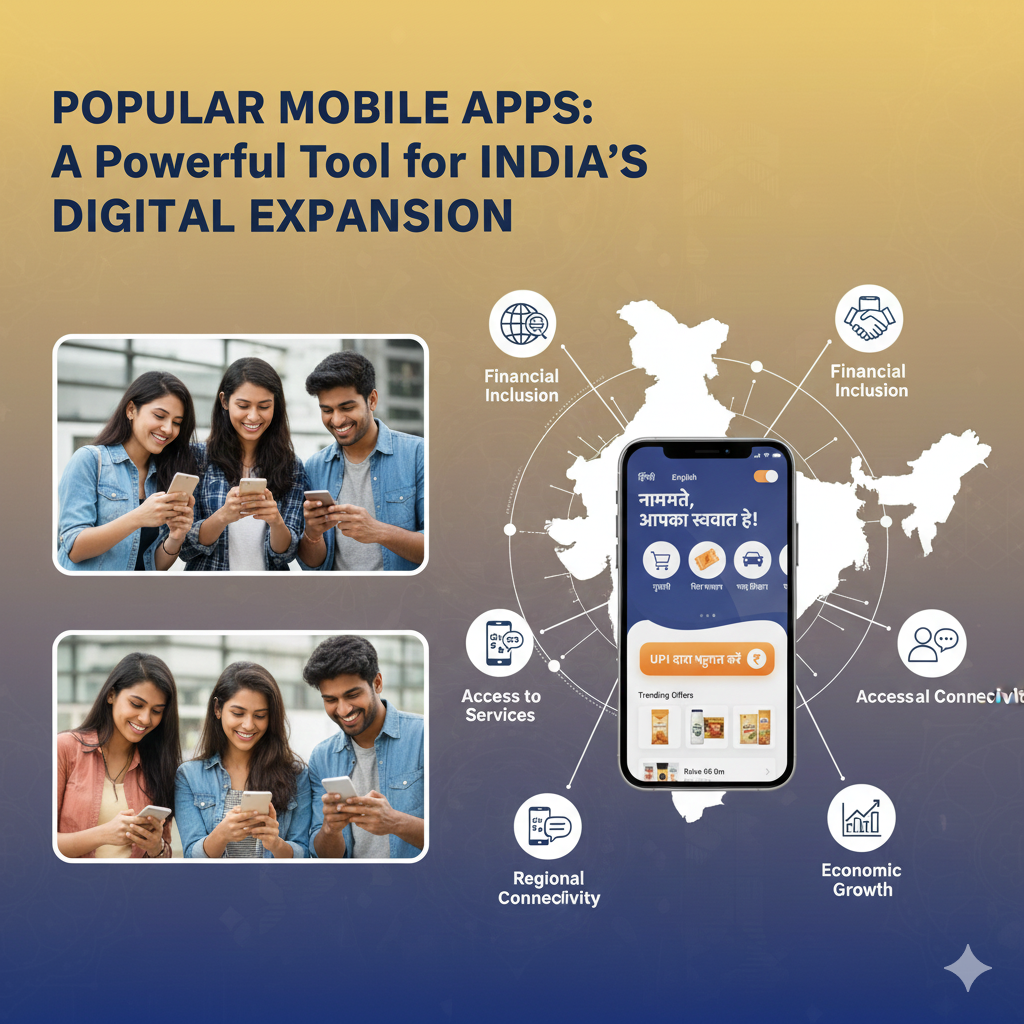
The Indian mobile app ecosystem has grown exponentially in recent years, driven by a surge in smartphone adoption, affordable data plans, and tech-savvy users. Some applications have managed to capture the imagination of millions, becoming indispensable parts of daily life. Businesses, regardless of industry, can draw valuable lessons from the strategies employed by popular mobile applications in India to enhance customer engagement, improve digital presence, and increase revenue streams.
1. Prioritize User Experience and Simplicity
One of the most critical takeaways from successful mobile applications is the importance of user-centric design. Apps like WhatsApp, Paytm, and Flipkart thrive because they offer seamless and intuitive experiences.
Lessons for businesses:
-
Simplified Navigation: Make websites and apps easy to navigate, reducing friction for users.
-
Responsive Design: Ensure digital platforms perform optimally on both mobile and desktop.
-
Streamlined Processes: Minimize steps in checkout, registration, or subscription processes to prevent drop-offs.
2. Leverage Personalization for Engagement
Popular apps in India use AI and data analytics to personalize user experiences. Platforms like Amazon and Hotstar recommend products and content based on previous behavior.
Business lessons:
-
Customer Segmentation: Use data to categorize customers and tailor offerings.
-
Dynamic Recommendations: Suggest products, services, or content based on user preferences.
-
Behavioral Analytics: Monitor interactions to refine marketing strategies and improve retention.
3. Integrate Digital Payment Solutions
Applications such as PhonePe, Google Pay, and Paytm have normalized cashless transactions in India. Businesses that integrate secure, convenient digital payments enhance trust and ease of use for customers.
Key takeaways:
-
Multiple Payment Options: Offer UPI, wallets, credit/debit cards, and net banking for flexibility.
-
Seamless Checkout: Reduce friction to prevent cart abandonment.
-
Incentivize Payments: Loyalty points, discounts, or cashback encourage repeat use.
4. Gamification and Incentivization
Mobile applications such as MPL, Ludo King, and Zomato utilize gamification to keep users engaged daily. Businesses can adopt similar strategies to increase customer interaction and loyalty.
Business strategies:
-
Reward Systems: Loyalty points or badges for purchases and engagement.
-
Challenges and Contests: Run campaigns to encourage user participation.
-
Progress Tracking: Visual cues showing achievements motivate users to return.
5. Focus on Cultural Relevance and Localization
Apps that resonate with regional audiences and local cultures gain higher adoption. Platforms like ShareChat and Meesho demonstrate the power of language and cultural relevance.
Business lessons:
-
Regional Language Support: Communicate in local languages to widen audience reach.
-
Localized Promotions: Tailor offers and campaigns to regional festivals or events.
-
Cultural Adaptation: Reflect local preferences in content and services to build trust.
6. Use Notifications and Push Messaging Strategically
Popular apps keep users engaged using notifications and alerts—a strategy businesses can use to retain customers and drive action.
Best practices:
-
Targeted Notifications: Send messages based on user interests and behavior.
-
Avoid Spamming: Ensure notifications add value and are not intrusive.
-
Promotional Alerts: Highlight discounts, offers, or new product launches effectively.
7. Analyze Data for Continuous Improvement
Successful mobile applications continuously monitor user behavior and performance metrics. Businesses can adopt a similar data-driven approach to optimize strategies.
Key lessons:
-
Track User Interaction: Understand which features are most used.
-
Measure Conversion Rates: Optimize campaigns and website/app funnels.
-
Feedback Loops: Use reviews and ratings to improve products and services.
8. Build Trust and Ensure Security
Apps like Paytm and Google Pay emphasize secure transactions and data privacy, which increases user confidence. Businesses can learn the importance of trust-building mechanisms.
Business takeaways:
-
Transparent Policies: Clearly communicate terms and conditions.
-
Secure Platforms: Implement encryption, two-factor authentication, and fraud prevention.
-
Customer Support: Provide prompt assistance to address concerns and build loyalty.
9. Adopt Omnichannel Engagement
Apps like Flipkart and Amazon integrate mobile, web, and physical touchpoints, ensuring consistent engagement across channels.
Business lessons:
-
Seamless Experience: Provide a unified experience across app, website, and physical stores.
-
Cross-Promotion: Leverage multiple channels for marketing and sales.
-
Customer Journey Mapping: Understand touchpoints and optimize them for maximum conversion.
10. Innovate Continuously and Adapt to Trends
The mobile app market is highly competitive, and apps that innovate and adapt quickly thrive. Businesses can take cues from India’s successful apps to stay relevant and future-ready.
Strategies include:
-
Feature Updates: Regularly improve app functionality and user experience.
-
Trend Adoption: Integrate trending features, such as live streaming or AR, into offerings.
-
Customer Feedback: Continuously innovate based on user suggestions and market research.
Conclusion
Businesses across industries can learn a great deal from popular mobile applications in India. By prioritizing user experience, personalization, localization, trust, and continuous innovation, companies can not only engage customers but also build long-term loyalty and brand credibility.
Key takeaways for businesses:
-
User-Centric Design: Simplify processes and optimize user experience.
-
Data-Driven Personalization: Tailor offerings based on user behavior.
-
Secure Digital Transactions: Build trust through safe payment options.
-
Engagement and Gamification: Encourage repeat interaction with rewards and challenges.
-
Localization and Cultural Relevance: Connect with audiences in meaningful ways.
-
Omnichannel Approach: Ensure consistent experience across platforms.
-
Continuous Innovation: Adapt to changing trends and user expectations.
By adopting these strategies, businesses can transform their digital presence and create experiences that resonate with the modern, mobile-first Indian consumer.

 English
 Arabic
 French
 Spanish
 Portuguese
 Deutsch
 Turkish
 Dutch
Dutch
 Italiano
 Russian
 Portuguese (Brazil)
 Greek
Greek