• Health Care Monitoring and the Shift Toward Continuous Care

    Healthcare has traditionally worked in intervals. A patient visits a doctor, receives treatment, and returns only when necessary. Between those visits, there is often little visibility into what is actually happening.

    That gap is now shrinking.

    Health care monitoring is gradually introducing a model where patient data is observed continuously rather than occasionally. This shift is subtle, but its impact is significant.

    From Intervals to Continuity

    In the past, medical decisions were often based on limited snapshots of patient health. While effective in many cases, this approach does not always capture how conditions change over time.

    Continuous monitoring offers a different perspective. Instead of isolated data points, it provides a flow of information that reflects real-world conditions. This makes it easier to understand patterns rather than relying on assumptions.

    What Changes in Practice

    When healthcare providers have access to ongoing data, the way they respond begins to change.

    They can:

    Identify early signs of deterioration
    Track how patients respond to treatment
    Adjust care plans with greater precision

    These changes may seem incremental, but they contribute to more consistent outcomes.

    A More Connected System

    Health care monitoring also changes how patients and providers interact. Communication becomes less dependent on scheduled visits and more based on actual needs.

    Patients can share updates remotely, while providers can respond when necessary. This creates a more connected system where care is not confined to a specific location.

    The Role of Simplicity

    For monitoring systems to be effective, they need to remain simple. If the process becomes too complicated—either for patients or providers—adoption slows down.

    Ease of use, clear data presentation, and reliable performance are critical factors. Without them, even advanced systems can become difficult to manage.

    Ongoing Concerns

    There are still challenges that need attention. Data privacy remains a key issue, especially as more information is collected and transmitted digitally.

    There is also the question of data accuracy. Reliable inputs are essential for making informed decisions. Without consistency, the value of monitoring decreases.

    Where This Leads

    The direction is clear: healthcare is moving toward models that emphasize continuity and early intervention. Monitoring systems are likely to become more refined, offering better insights with less effort.

    Over time, this may reduce the reliance on reactive care and support more preventive approaches.

    Conclusion

    Health care monitoring is not a dramatic shift, but a gradual one. By replacing gaps with continuous insight, it allows healthcare providers to see more, understand more, and respond more effectively.

    As this approach becomes more common, it will continue to influence how care is delivered—making it more connected, consistent, and responsive.

    https://synergytop.com/industry-expertise/healthcare-software-development-company/

    Health Care Monitoring and the Shift Toward Continuous Care Healthcare has traditionally worked in intervals. A patient visits a doctor, receives treatment, and returns only when necessary. Between those visits, there is often little visibility into what is actually happening. That gap is now shrinking. Health care monitoring is gradually introducing a model where patient data is observed continuously rather than occasionally. This shift is subtle, but its impact is significant. From Intervals to Continuity In the past, medical decisions were often based on limited snapshots of patient health. While effective in many cases, this approach does not always capture how conditions change over time. Continuous monitoring offers a different perspective. Instead of isolated data points, it provides a flow of information that reflects real-world conditions. This makes it easier to understand patterns rather than relying on assumptions. What Changes in Practice When healthcare providers have access to ongoing data, the way they respond begins to change. They can: Identify early signs of deterioration Track how patients respond to treatment Adjust care plans with greater precision These changes may seem incremental, but they contribute to more consistent outcomes. A More Connected System Health care monitoring also changes how patients and providers interact. Communication becomes less dependent on scheduled visits and more based on actual needs. Patients can share updates remotely, while providers can respond when necessary. This creates a more connected system where care is not confined to a specific location. The Role of Simplicity For monitoring systems to be effective, they need to remain simple. If the process becomes too complicated—either for patients or providers—adoption slows down. Ease of use, clear data presentation, and reliable performance are critical factors. Without them, even advanced systems can become difficult to manage. Ongoing Concerns There are still challenges that need attention. Data privacy remains a key issue, especially as more information is collected and transmitted digitally. There is also the question of data accuracy. Reliable inputs are essential for making informed decisions. Without consistency, the value of monitoring decreases. Where This Leads The direction is clear: healthcare is moving toward models that emphasize continuity and early intervention. Monitoring systems are likely to become more refined, offering better insights with less effort. Over time, this may reduce the reliance on reactive care and support more preventive approaches. Conclusion Health care monitoring is not a dramatic shift, but a gradual one. By replacing gaps with continuous insight, it allows healthcare providers to see more, understand more, and respond more effectively. As this approach becomes more common, it will continue to influence how care is delivered—making it more connected, consistent, and responsive. https://synergytop.com/industry-expertise/healthcare-software-development-company/

    0 Commenti 0 condivisioni 578 Views 0 Anteprima
  • Tattva Spa At Courtyard By Marriott Gurgaon | Luxurious Massages & Spa

    Tattva Spa at Courtyard By Marriott Gurgaon. It has both single and couple spa rooms with steam & shower facilities. Discover the best spa in Gurgaon
    https://tattvaspa.com/locations/day-spa-in-gurgaon/tattva-wellness-spa-block-b-sushant-lok-phase-i-gurugram/
    #spainsector27gurgaon #bestspainsector27gurgaon
    Tattva Spa At Courtyard By Marriott Gurgaon | Luxurious Massages & Spa Tattva Spa at Courtyard By Marriott Gurgaon. It has both single and couple spa rooms with steam & shower facilities. Discover the best spa in Gurgaon https://tattvaspa.com/locations/day-spa-in-gurgaon/tattva-wellness-spa-block-b-sushant-lok-phase-i-gurugram/ #spainsector27gurgaon #bestspainsector27gurgaon
    TATTVASPA.COM
    Tattva Wellness Spa – Block B, Sushant Lok Phase 1, Gurgaon
    Tattva Spa at Courtyard By Marriott Gurgaon. It has both single and couple spa rooms with steam & shower facilities. Discover the best spa in Gurgaon
    0 Commenti 0 condivisioni 779 Views 0 Anteprima
  • Why AI in Music Market Matters

    The AI in Music Market Report shows why artificial intelligence is becoming a vital part of the music industry. AI is not only improving efficiency but also enabling new forms of creativity and innovation. Artists can now experiment with different styles and sounds using AI-powered tools.

    For businesses, AI offers opportunities to enhance user experiences and increase engagement. Streaming platforms, for example, use AI to recommend music, analyze trends, and optimize content delivery.

    The report also highlights the growing importance of AI in areas such as advertising, gaming, and film production. These industries are using AI-generated music to create unique and engaging experiences.

    As the market continues to grow, AI will play an even bigger role in shaping the future of music. Understanding these trends is essential for anyone looking to stay ahead in the industry.

    👉 Discover more: https://market.us/report/ai-in-music-market/
    Why AI in Music Market Matters The AI in Music Market Report shows why artificial intelligence is becoming a vital part of the music industry. AI is not only improving efficiency but also enabling new forms of creativity and innovation. Artists can now experiment with different styles and sounds using AI-powered tools. For businesses, AI offers opportunities to enhance user experiences and increase engagement. Streaming platforms, for example, use AI to recommend music, analyze trends, and optimize content delivery. The report also highlights the growing importance of AI in areas such as advertising, gaming, and film production. These industries are using AI-generated music to create unique and engaging experiences. As the market continues to grow, AI will play an even bigger role in shaping the future of music. Understanding these trends is essential for anyone looking to stay ahead in the industry. 👉 Discover more: https://market.us/report/ai-in-music-market/
    MARKET.US
    AI in Music Market
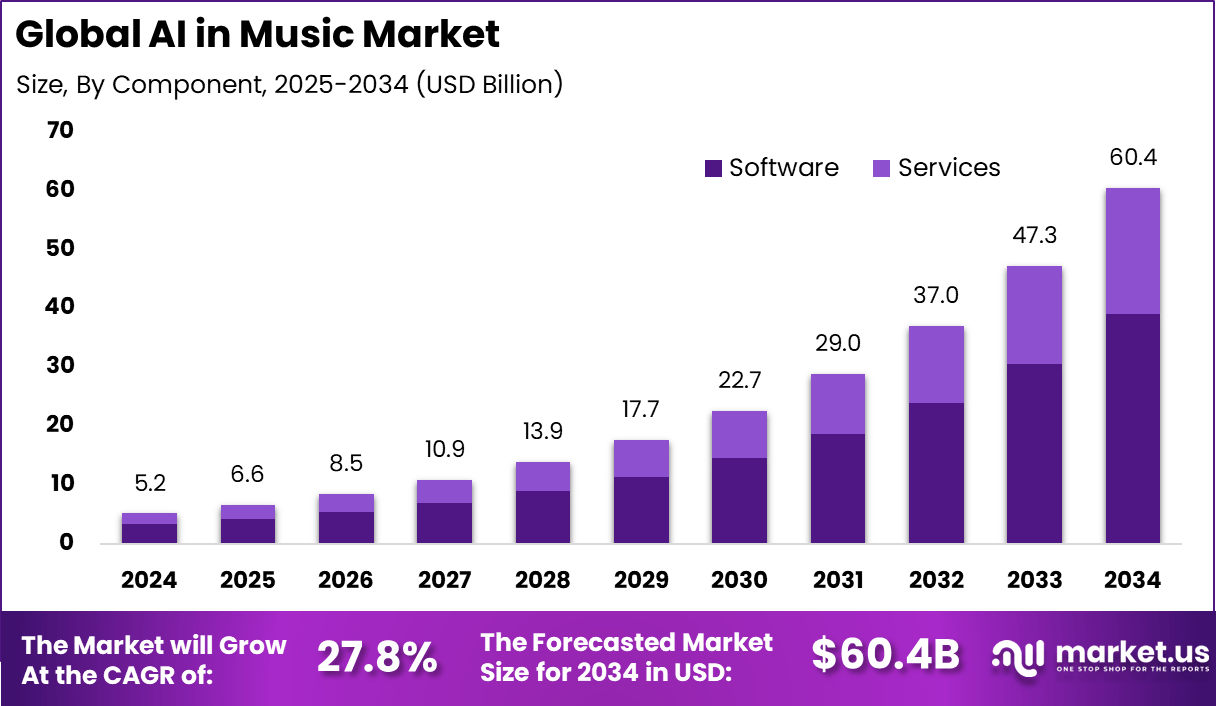
    By 2034, the AI in Music Market is expected to reach a valuation of USD 60.4 billion, expanding at a healthy CAGR of 27.8%.
    0 Commenti 0 condivisioni 459 Views 0 Anteprima
  • 0 Commenti 0 condivisioni 232 Views 0 Anteprima
  • OTT App Development Cost: Development, Features & Expenses

    This blog explains the OTT app development cost with a clear breakdown of key factors that impact pricing. It covers essential features, platform choices, development stages, and ongoing expenses that businesses should consider before starting.

    Readers will understand how different requirements affect the total budget and what to plan for long-term success. If you are planning to build a video streaming app, this guide helps you make informed decisions and connect with a team that can deliver a reliable OTT solution for your business needs.

    #OTTAppDevelopmentCost

    https://shivlab.com/blog/ott-app-development-cost/
    OTT App Development Cost: Development, Features & Expenses This blog explains the OTT app development cost with a clear breakdown of key factors that impact pricing. It covers essential features, platform choices, development stages, and ongoing expenses that businesses should consider before starting. Readers will understand how different requirements affect the total budget and what to plan for long-term success. If you are planning to build a video streaming app, this guide helps you make informed decisions and connect with a team that can deliver a reliable OTT solution for your business needs. #OTTAppDevelopmentCost https://shivlab.com/blog/ott-app-development-cost/
    SHIVLAB.COM
    How Much Does OTT App Development Cost? $10K–$150K
    OTT app development cost explained with detailed pricing by features, platforms, & countries so you can plan your budget!
    0 Commenti 0 condivisioni 694 Views 0 Anteprima
  • Durable and Eco-Friendly Building Solutions with Cement Fly Ash Bricks

    Modern construction benefits from durable and eco-friendly materials like Cement Fly Ash Bricks, offering strength and sustainability. Chhikara Builders delivers high-quality bricks that ensure consistent performance, smooth finish, and cost-effective solutions for residential and commercial projects.

    Visit us :- https://chhikarabuilders.com/fly-ash-bricks.html

    #CementFlyAshBricks #FlyAshBricks #SustainableConstruction #BuildingMaterials #ChhikaraBuilders
    Durable and Eco-Friendly Building Solutions with Cement Fly Ash Bricks Modern construction benefits from durable and eco-friendly materials like Cement Fly Ash Bricks, offering strength and sustainability. Chhikara Builders delivers high-quality bricks that ensure consistent performance, smooth finish, and cost-effective solutions for residential and commercial projects. Visit us :- https://chhikarabuilders.com/fly-ash-bricks.html #CementFlyAshBricks #FlyAshBricks #SustainableConstruction #BuildingMaterials #ChhikaraBuilders
    0 Commenti 0 condivisioni 2K Views 0 Anteprima
  • https://www.jadhavarbusinessintelligence.com/market-research-report/aluminum-cans-market/1021
    https://www.jadhavarbusinessintelligence.com/market-research-report/aluminum-cans-market/1021
    WWW.JADHAVARBUSINESSINTELLIGENCE.COM
    Aluminum Cans Market Size, Trends, Growth Report (2030)|Jadhavar Business Intelligence
    Aluminum Cans Market had a value of USD 55.78 billion in 2024 and expected it to hit USD 74.25 billion by 2030, with a CAGR of 4.9% per year.
    0 Commenti 0 condivisioni 224 Views 0 Anteprima
  • 0 Commenti 0 condivisioni 408 Views 0 Anteprima
  • 0 Commenti 0 condivisioni 418 Views 0 Anteprima
  • https://www.jadhavarbusinessintelligence.com/market-research-report/mobile-chargers-market/1024
    https://www.jadhavarbusinessintelligence.com/market-research-report/mobile-chargers-market/1024
    WWW.JADHAVARBUSINESSINTELLIGENCE.COM
    Mobile Chargers Market Size, Trends, Growth Report (2030)|Jadhavar Business Intelligence
    Mobile Chargers Market had a value of USD 38.45 Billion in 2024 and expected it to hit USD 56.42 Billion by 2030, with a CAGR of 6.6% per year.
    0 Commenti 0 condivisioni 363 Views 0 Anteprima