
Professional Biohazard Car Cleaning for Safe and Sanitary Vehicles
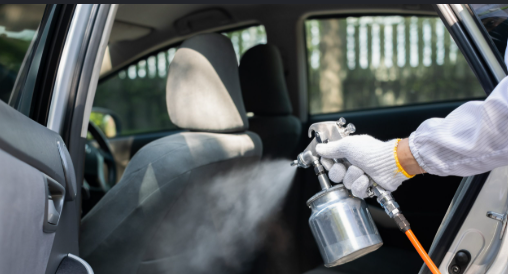
Professional Biohazard Car Cleaning for Safe and Sanitary Vehicles
A vehicle can be exposed to biohazard contamination in many unexpected situations. Accidents, medical emergencies, bodily fluid spills, illness, crime scenes, and other incidents can leave blood, vomit, urine, or other biological materials inside a car. When this happens, ordinary car washing or interior detailing may not be enough. Professional biohazard car cleaning provides a specialized approach for cleaning, disinfecting, deodorizing, and restoring contaminated vehicle interiors.
Biohazard cleanup requires careful handling because contaminated materials may present health and sanitation concerns. Professional cleaners use appropriate protective equipment, cleaning procedures, and disinfectants to address affected areas while reducing unnecessary exposure. The objective is not simply to make a vehicle look clean but to thoroughly address contamination and restore a safer, more sanitary interior.
What Is Professional Biohazard Car Cleaning?
Professional biohazard car cleaning is a specialized decontamination service designed for vehicles exposed to potentially hazardous biological substances. Unlike routine auto detailing, biohazard cleaning involves procedures focused on contamination control, proper cleaning, disinfection, and safe handling of affected materials.
Contamination can occur on visible surfaces such as seats and carpets, but biological fluids can also penetrate seams, padding, floor coverings, and other porous materials. For this reason, professionals inspect the entire affected area before deciding how the vehicle should be treated.
Depending on the situation, some materials may be cleaned and disinfected, while heavily contaminated or non-restorable materials may need to be removed and appropriately disposed of.
Why Biohazard Vehicle Cleaning Requires Professional Attention
Cleaning a contaminated vehicle can involve more than removing visible stains. Biological materials can potentially contain microorganisms, and improper handling may increase exposure or spread contamination to previously unaffected areas.
Professional cleaners are trained to approach contaminated environments systematically. They can use appropriate personal protective equipment and cleaning products while following procedures designed for the type of contamination involved.
Professional cleaning also helps address hidden contamination. A surface may appear clean while biological material remains underneath carpeting, inside upholstery, or around seams and crevices.
Common Causes of Vehicle Biohazard Contamination
Vehicles can require biohazard cleaning for many different reasons.
Blood From Accidents
Traffic accidents and other injuries can result in blood entering the vehicle interior. Blood may reach seats, floor mats, carpets, door panels, seat belts, and other surfaces.
Because blood can soak into porous materials, professional assessment is important before attempting extensive cleanup.
Medical Emergencies
A passenger may experience a medical emergency inside a vehicle, resulting in blood or other bodily fluids. Emergency transportation or sudden illness can also create contamination that requires specialized cleaning.
Vomit and Other Bodily Fluids
Vomiting can leave organic material and strong odors throughout a vehicle. When fluids penetrate upholstery or carpeting, standard surface cleaning may not completely resolve the problem.
Urine Contamination
Urine can create persistent odors when it reaches carpeting, seat cushions, or other absorbent materials. Professional cleaning can help identify affected areas and determine the appropriate treatment.
Crime Scenes
Vehicles involved in criminal incidents may require specialized cleaning after investigators have completed their work and the vehicle has been released for cleanup. Biological contamination may be present on multiple interior surfaces.
Unattended Deaths
An unattended death can result in serious contamination that requires specialized remediation. Professional biohazard cleaners can assess the affected areas and determine which materials can be restored and which require removal.
The Biohazard Car Cleaning Process
Professional vehicle decontamination generally involves several carefully managed steps. The exact process varies according to the vehicle, contamination type, and extent of the affected area.
1. Vehicle Assessment
The first step is a detailed inspection. Professionals identify visible contamination and consider areas where biological fluids may have spread or penetrated.
The inspection may include seats, carpeting, floor mats, door panels, seat belts, consoles, trunks, and other interior surfaces.
2. Safety Preparation
Before cleaning begins, appropriate safety precautions are established. Professionals may use gloves, protective clothing, eye protection, and other personal protective equipment suitable for the task.
The purpose of these measures is to reduce direct contact with potentially contaminated materials.
3. Containment and Removal
Where appropriate, contaminated materials are carefully collected and removed. Heavily affected porous materials may not be suitable for restoration.
Waste generated during biohazard cleanup should be handled and disposed of according to applicable regulations and requirements.
4. Thorough Cleaning
Cleaning removes visible biological material, dirt, and organic residue from compatible surfaces. This stage is essential because disinfectants may not work as intended when surfaces contain significant organic contamination.
Professional cleaners select cleaning products and techniques based on the material being treated.
5. Disinfection
After cleaning, appropriate disinfectants may be applied to suitable surfaces. Professionals follow the manufacturer's instructions regarding concentration, application, and required contact time.
Different materials require different approaches. Leather, fabric, plastics, electronics, and other vehicle components may not tolerate the same products or treatment methods.
6. Odor Treatment
Biohazard incidents can produce persistent odors. Professional odor treatment focuses on removing the source of the smell rather than simply covering it with fragrance.
If contamination has penetrated porous materials, additional treatment or material replacement may be necessary.
7. Final Inspection
After cleaning and disinfection, the vehicle is inspected again. Professionals check affected areas and determine whether additional cleaning or treatment is necessary.
This final inspection helps ensure that the cleaning process has addressed the identified contamination as thoroughly as practical.
Areas Commonly Treated During Biohazard Cleaning
A contaminated vehicle may require attention in numerous areas. These can include:
-
Vehicle seats
-
Carpeting
-
Floor mats
-
Seat belts
-
Door panels
-
Center consoles
-
Dashboard surfaces
-
Steering wheels
-
Door handles
-
Trunk interiors
-
Headliners
-
Seat tracks
-
Storage compartments
-
Interior trim
-
Upholstery seams
Not every vehicle requires treatment in all of these areas. The cleaning process should be based on the actual contamination and the condition of the vehicle.
Benefits of Professional Biohazard Car Cleaning
Professional vehicle decontamination offers several important benefits.
Safer Handling
Professional cleaners use appropriate procedures and protective equipment when dealing with potentially hazardous biological materials.
Thorough Contamination Removal
Specialized cleaning can address visible and hidden contamination more effectively than ordinary interior cleaning.
Professional Disinfection
Appropriate disinfectants can be used on compatible surfaces according to their directions, helping support a more sanitary vehicle interior.
Odor Reduction
Professional cleaning addresses contamination sources that may contribute to unpleasant odors.
Interior Preservation
Using appropriate products and techniques can help minimize unnecessary damage to upholstery, plastics, leather, carpeting, and other vehicle components.
Reduced Stress
A serious contamination incident can be overwhelming for a vehicle owner. Hiring a professional service allows the cleanup to be managed systematically.
Why Regular Car Detailing Is Different
Regular auto detailing focuses on appearance, maintenance, and general cleanliness. It may include vacuuming, washing, polishing, upholstery cleaning, waxing, and other routine services.
Biohazard cleaning has a different purpose. The primary concern is addressing potentially hazardous biological contamination and making the vehicle safer and more sanitary.
For example, a standard interior detail might remove dirt and stains from a seat. Biohazard remediation may require additional precautions, containment procedures, specialized cleaning, disinfection, and potentially removal of contaminated materials.
Therefore, vehicle owners should communicate the nature of the contamination before booking a cleaning service.
Choosing the Right Biohazard Car Cleaning Company
Selecting an appropriate service provider is an important step. Ask potential cleaners about their experience with biohazard vehicle cleanup and the types of contamination they handle.
It is also useful to ask about:
-
Safety procedures
-
Personal protective equipment
-
Cleaning and disinfection methods
-
Waste handling
-
Odor treatment
-
Interior material assessment
-
Insurance and professional qualifications
-
Estimated service scope
-
Additional treatment requirements
A professional provider should explain the process clearly and avoid making unrealistic guarantees.
What Vehicle Owners Should Do Before Professional Cleaning
If a vehicle has experienced a serious contamination incident, avoid unnecessary contact with the affected area. Do not attempt to handle potentially hazardous material without appropriate protective equipment and knowledge.
If the vehicle is connected to a police investigation or crime scene, wait until authorities have completed their work and released the vehicle for cleaning.
It is also helpful to tell the cleaning company what happened. Accurate information about the contamination allows professionals to prepare the appropriate equipment and determine the correct cleaning approach.
Biohazard Cleaning for Cars, SUVs, Trucks, and Vans
Biohazard contamination can affect virtually any type of vehicle. Professional cleaning services may be used for passenger cars, SUVs, pickup trucks, vans, taxis, rideshare vehicles, commercial vehicles, and fleet vehicles.
Commercial vehicles may require especially efficient service because extended downtime can interfere with business operations. A professional inspection can help determine the level of cleaning required and whether the vehicle can be returned to service after decontamination.
The Importance of Odor Removal
Odor can remain after a biological incident, particularly when fluids have entered absorbent materials. Simply spraying an air freshener may temporarily cover the smell without addressing its source.
Professional odor treatment begins with proper cleaning and removal of contamination. Once the source has been addressed, appropriate odor-control techniques can be considered.
In some cases, replacement of heavily contaminated porous materials may be necessary when cleaning cannot adequately restore them.
Maintaining a Clean Vehicle After Decontamination
After professional biohazard cleaning, regular interior maintenance can help keep the vehicle fresh. Vacuuming, promptly cleaning ordinary spills, maintaining floor mats, and scheduling routine detailing can help prevent everyday dirt and odors from building up.
However, if the vehicle experiences another biohazard event, professional assessment should be considered again. Routine detailing is not a substitute for specialized biohazard remediation.
Frequently Asked Questions
Can a regular car wash remove biohazard contamination?
A standard car wash is generally designed for routine dirt and vehicle maintenance rather than specialized biological contamination. A professional biohazard cleaning service is better suited to situations involving blood, bodily fluids, or potentially infectious materials.
Can contaminated upholstery always be saved?
Not necessarily. Some upholstery and other porous materials may be restorable, while heavily contaminated or damaged materials may require removal and replacement. The decision depends on the extent and type of contamination.
How long does biohazard car cleaning take?
The duration depends on the size of the vehicle, the type of contamination, the affected materials, and the extent of cleaning required. A professional assessment can provide a more accurate estimate.
Is odor removal included?
Odor treatment can be part of professional biohazard cleaning, but the exact service depends on the provider and the contamination. Removing the contamination source is generally an important part of addressing persistent odors.
Final Thoughts
Professional biohazard car cleaning provides a specialized solution when a vehicle has been exposed to blood, bodily fluids, infectious materials, or other biological contamination. Unlike ordinary car washing and detailing, the process emphasizes safety, contamination control, thorough cleaning, appropriate disinfection, odor treatment, and responsible handling of affected materials.
Whether contamination occurs because of an accident, medical emergency, bodily fluid spill, crime scene, or another unexpected event, professional vehicle decontamination can help restore the interior to a cleaner and more sanitary condition.
The most important step is to treat potential biohazard contamination seriously. Rather than relying on ordinary cleaning products or attempting to manage a significant contamination incident without proper protection, vehicle owners can seek professional assistance. With a careful assessment and systematic cleaning process, specialists can determine the appropriate approach for the vehicle and work toward restoring its cleanliness, usability, and overall condition.

 English
 Arabic
 French
 Spanish
 Deutsch
 Turkish
 Dutch
Dutch
 Italiano
 Russian
 Romaian
 Portuguese (Brazil)
 Greek
Greek