
How to Replace the Battery in an Auto Tint Welding Hood
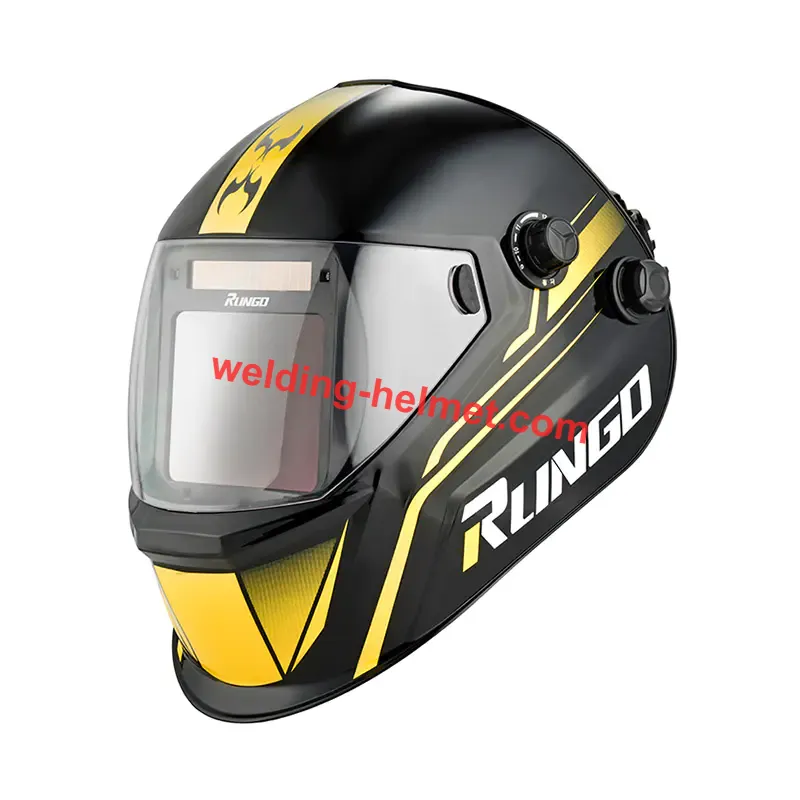
A welding hood that refuses to darken mid-project creates immediate problems, and the cause frequently traces back to a depleted power cell tucked inside the cartridge. An auto tint welding hood relies on that small energy source to trigger the liquid crystal layer that protects the eyes from arc flash, which means battery health deserves attention long before a welder notices dimming lag or complete failure. The technical team at welding-helmet has answered countless questions about this exact issue from fabricators who depend on their equipment daily. So what does a welder need to know before opening the cartridge?
Understanding the power system inside a hood prevents unnecessary damage during replacement. Most auto darkening cartridges use coin-style batteries, often two of them stacked or seated side by side beneath a small cover. Solar-assisted models draw energy from ambient light and use the battery as a backup, while purely battery-powered units depend entirely on the cell for operation. Identifying which type sits inside your hood determines how urgently replacement becomes necessary.
Gathering the right tools before starting saves frustration. A small Phillips screwdriver, a flat plastic pry tool, and a clean workspace cover most situations. Welders should note the battery designation printed on the old cell, since cartridges vary in voltage and physical size. Substituting an incorrect battery can damage the circuitry or produce inconsistent darkening, which creates a genuine safety concern rather than a minor inconvenience.
Removing the cartridge from the shell comes first. Most hoods release the auto darkening unit through a front retaining frame that lifts away once clips or screws are loosened. Setting the cartridge face-down on a soft cloth protects the lens from scratches. The battery compartment typically sits on the rear of the cartridge, covered by a sliding door or a small screwed plate. Gentle pressure works well here, since plastic tabs break easily when forced.
Extracting the old batteries requires care with the contacts. A plastic tweezers or a small flat tool lifts the cell without bending the metal springs beneath it. Welders should observe the polarity markings before removal, because reversing polarity during installation prevents the cartridge from functioning. Wiping the new battery with a dry cloth removes oils from fingers that might interfere with contact. Inserting the fresh cell follows the orientation noted earlier, and the compartment door snaps or screws back into place.
Testing the hood before reassembly confirms success. Pressing the test button, if the model includes one, or briefly striking an arc in a safe area shows whether the lens darkens correctly. Some cartridges feature a low-battery indicator that flashes when power drops, and welders who notice this signal early avoid surprise failures on a job site. Waiting until the hood stops working entirely means losing production time and possibly exposing eyes to harmful light.
Battery life varies with usage patterns, storage conditions, and cartridge design. Hoods stored in cold shops or exposed to temperature swings drain their cells faster than equipment kept in stable environments. Welders who rely on solar-assisted models sometimes overlook the backup cell until it fails, since sunlight masks a dying battery for months. Replacing the cell on a schedule, rather than waiting for symptoms, keeps darkening response consistent.
Proper disposal of spent batteries matters for environmental reasons, and many jurisdictions regulate how these cells enter the waste stream. Keeping a spare set in a toolbox or glove compartment means a welder never faces downtime over a component that costs very little.
Replacement tasks like this reveal something about equipment design. Cartridges that open without special tools, battery doors that stay attached to the housing, and polarity markings printed in clear view all signal a manufacturer who thinks about the people using the product years after purchase. welding-helmet builds its Auto Tint Welding Hood lineup around that idea, with serviceable cartridges and documentation that treats battery changes as routine maintenance rather than a repair job. Welders searching for masks that stay functional through years of daily use can explore the automatic light welding masks at https://www.welding-helmet.com/, where the focus stays on dependable darkening performance and parts that make sense to the people holding the torch.

 English
 Arabic
 French
 Spanish
 Portuguese
 Deutsch
 Turkish
 Dutch
Dutch
 Russian
 Romaian
 Portuguese (Brazil)
 Greek
Greek