
US Coffee Machine Brings Café-Style Brewing into Everyday Home Routines
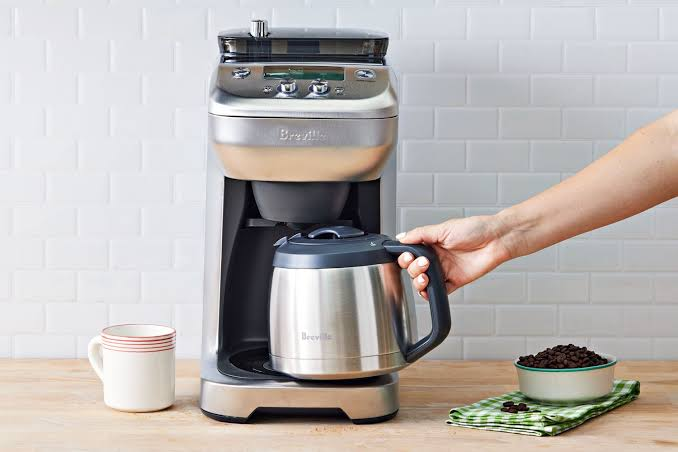
Coffee machines are becoming increasingly important in American households as consumers look for convenient ways to prepare different beverages at home. Traditional drip brewing remains popular, while espresso machines, single-serve systems, and bean-to-cup appliances are expanding the range of preparation options available to consumers. Improvements in automation, connected features, customization, and beverage variety are also encouraging households to upgrade or add new brewing equipment.
A recent study by MarkNtel Advisors highlights that the US Coffee Machine outlook was valued at USD 4.59 billion in 2025 and is projected to reach USD 5.39 billion in 2026 and USD 12.33 billion by 2032, registering a CAGR of 14.79% during 2026–2032. Drip/filter coffee makers accounted for 34% share in 2026, while residential applications held 74% share. These figures reflect the strong role of at-home coffee preparation in the United States.
Daily Coffee Consumption Supports Home Brewing
Coffee is deeply embedded in American daily routines, creating a broad consumer base for brewing appliances. The National Coffee Association reported that 66% of American adults drank coffee on a given day in 2025, with coffee remaining one of the country's most frequently consumed beverages. The same report found that specialty coffee consumption had increased significantly, with 46% of adults drinking specialty coffee during the past day.
This strong consumption culture creates recurring demand for household brewing equipment. Consumers may purchase their first machine, replace an older appliance, or add another machine to prepare different coffee styles.
Drip Coffee Makers Remain a Household Favorite
Drip/filter coffee makers accounted for 34% share in 2026, making them the leading product type in the MarkNtel Advisors study. Their simple operation, ability to prepare multiple cups, affordability, and familiarity continue to support their widespread use.
Drip machines are particularly suitable for households where several people drink coffee throughout the day. They can also provide a practical solution for consumers who prioritize convenience and consistent preparation over specialized brewing techniques.
Specialty Coffee Encourages Premium Equipment
The growing popularity of specialty coffee is creating interest in equipment that can reproduce café-style beverages at home. Espresso machines and bean-to-cup systems can provide consumers with greater control over coffee preparation while offering options such as espresso-based beverages, milk drinks, and customized brewing.
The National Coffee Association reported that specialty coffee consumption reached a 14-year high in 2025, with 46% of American adults consuming specialty coffee during the past day. This growing interest can encourage consumers to explore more advanced brewing equipment and premium appliances.
Multi-Format Brewing Becomes More Common
Consumers are not necessarily replacing one brewing format with another. Instead, some households are adding multiple machines to prepare different beverages according to occasion and preference.
The MarkNtel Advisors study reports that bean-to-cup machine ownership reached 15% of American households in 2025, while espresso machine ownership reached 12%. Drip coffee maker ownership remained strong at 62%, showing that consumers can maintain traditional equipment while adding newer formats.
This equipment-stacking behavior gives manufacturers opportunities to sell complementary appliances rather than relying solely on replacement demand.
Automation Makes Brewing More Convenient
Automation is becoming an important feature across coffee machines. Automatic grinding, dosing, brewing, milk preparation, programmable settings, and digital controls can simplify the preparation process.
Bean-to-cup machines are particularly suited to consumers who want freshly ground coffee without manually measuring and grinding beans. Advanced espresso machines can similarly automate multiple preparation stages while allowing users to customize beverages.
The combination of convenience and customization is helping coffee machines become more sophisticated kitchen appliances.
Connected Features Expand User Control
Connectivity is introducing additional functionality to modern coffee machines. Smart appliances can provide programmable schedules, remote controls, beverage customization, maintenance alerts, and integration with connected-home ecosystems.
These features can appeal to consumers who want coffee ready at specific times or who prefer to manage appliances through digital interfaces. Connected functionality also gives manufacturers opportunities to differentiate premium products through software-enabled experiences.
Online Shopping Improves Product Accessibility
Digital retail is making it easier for consumers to compare coffee machines based on features, capacity, price, brewing methods, dimensions, and customer reviews.
The U.S. Census Bureau's Quarterly Retail E-Commerce Sales report shows that e-commerce accounted for 16.9% of total U.S. retail sales in the first quarter of 2026 on a seasonally adjusted basis. The broader expansion of online retail gives coffee machine manufacturers another important channel for reaching consumers.
Detailed product pages and customer reviews can also help shoppers understand differences between drip, capsule, espresso, and bean-to-cup systems before making a purchase.
Value Matters as Coffee Costs Change
Coffee prices can influence how consumers evaluate the overall cost of brewing at home. Higher coffee costs may encourage households to consider equipment that provides greater control over coffee consumption and recurring preparation expenses.
Manufacturers are responding with multi-function appliances that can prepare different beverage styles while reducing dependence on single-use formats. Products that combine convenience, versatility, and long-term value can appeal to consumers who want greater flexibility from a single appliance.
New Formats Encourage Product Innovation
Manufacturers continue introducing new approaches to home brewing. In 2026, Lavazza introduced Tablì, a single-serve system using coffee tabs rather than conventional capsules, creating another format for convenient espresso preparation, according to the MarkNtel Advisors study.
Such developments show how manufacturers are exploring alternative formats that combine convenience, beverage quality, and differentiated product experiences.
Home Brewing Continues to Evolve
US Coffee Machine is evolving through strong coffee consumption, specialty beverage preferences, automation, connected technology, and expanding product formats. Drip coffee makers continue to provide a familiar and practical option, while espresso, single-serve, and bean-to-cup systems are giving consumers greater variety.
Future product development is likely to emphasize customization, intelligent automation, multi-beverage capabilities, easier maintenance, connected controls, and efficient brewing. As Americans continue to incorporate coffee into daily routines, coffee machines can remain an important part of the modern home kitchen.

 Arabic
 French
 Spanish
 Portuguese
 Deutsch
 Turkish
 Dutch
Dutch
 Italiano
 Russian
 Romaian
 Portuguese (Brazil)
 Greek
Greek