
Still Struggling to Recover After an Accident? Acupuncture May Be the Missing Step
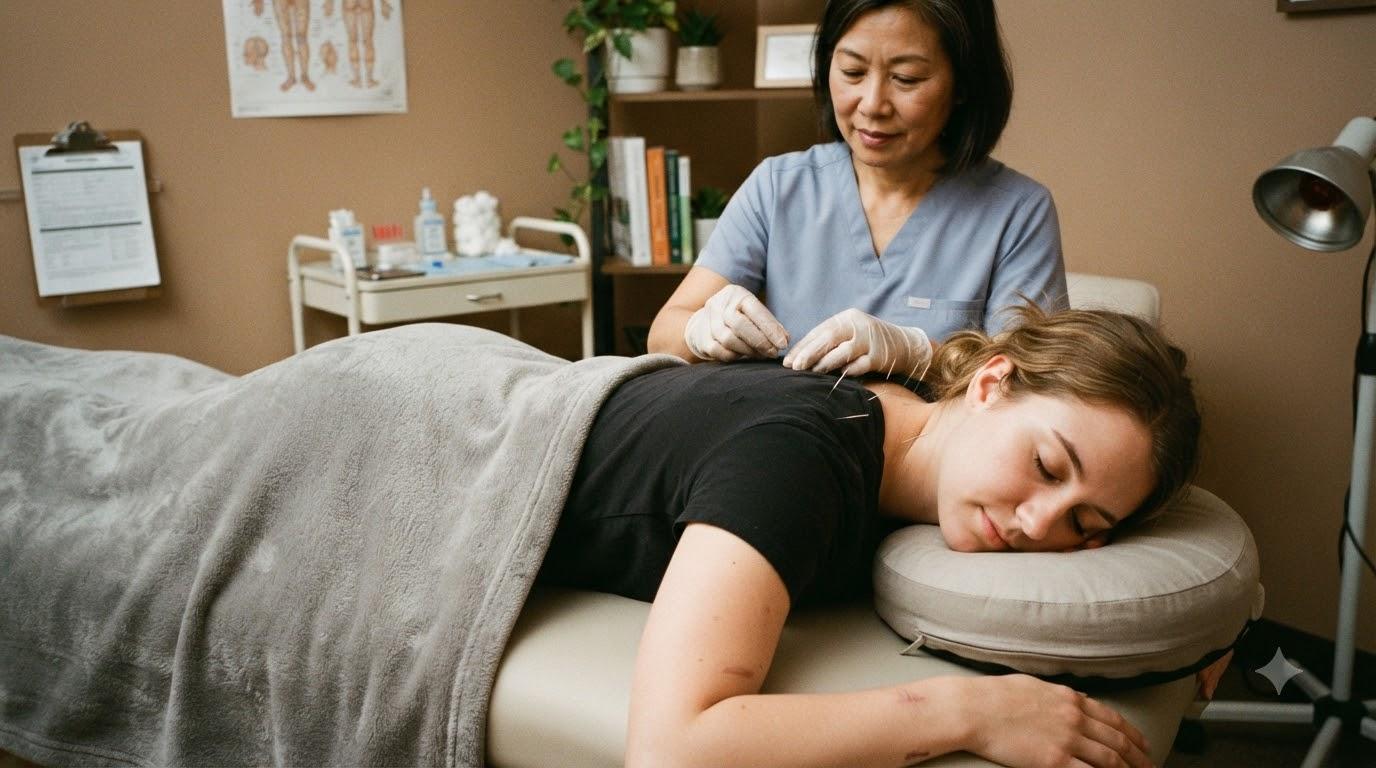
Recovering from an accident — whether a car collision, a workplace incident, or a fall — is rarely as linear as the initial medical visit suggests. The acute phase gets treated, the paperwork gets filed, and then many people are left managing persistent pain, restricted movement, and fatigue that just doesn't resolve the way they expected it would.
If you've been through conventional treatment without the recovery you were promised, exploring acupuncture for accident recovery as part of your ongoing plan is worth a serious conversation.
The Problem with Standard Accident Recovery Protocols
Emergency and urgent care does what it's designed to do: rule out life-threatening injury, manage acute pain, and stabilise the patient. But the gap between acute care and full functional recovery is where many accident patients find themselves stuck.
Rest-and-medicate approaches don't address the neuromuscular patterns that develop after trauma. When the body experiences sudden force, protective muscle contraction, altered movement patterns, and nervous system sensitisation can all become embedded — and they don't automatically resolve on their own.
This is the phase where integrative therapies, including acupuncture, are most relevant.
How Accident Trauma Affects the Body Beyond the Obvious Injury
Physical injuries from accidents are rarely isolated to the obvious point of impact. The body responds as a whole system, and several secondary effects frequently develop:
Guarding patterns — Injured people unconsciously shift how they move to protect painful areas. Over time, these altered movement patterns create secondary tension and pain in muscles that were not directly injured.
Nervous system sensitisation — Repeated pain signals can sensitise the nervous system, a process where the pain response becomes amplified and easier to trigger. This is sometimes called central sensitisation and explains why some patients feel more pain, not less, as time goes on.
Sleep disruption — Pain that interferes with sleep prevents the deep restorative stages where tissue repair actually happens. Poor sleep extends recovery timelines significantly.
Psychological impact — Anxiety, hypervigilance (especially in transport situations), and low mood are common after traumatic accidents and are not separate from physical recovery — they are part of it.
Acupuncture addresses several of these secondary effects directly, making it particularly well-suited to complex or slow recoveries.
The Specific Ways Acupuncture Supports Post-Accident Healing
Breaking the Pain-Tension Cycle
Injury causes pain, pain causes muscle tension, and tension causes more pain. This cycle is one of the main reasons recovery stalls. Acupuncture interrupts it by releasing tight muscle tissue, desensitising overactive pain pathways, and signalling the nervous system to downregulate its threat response.
Improving Circulation to Injured Tissue
Healing requires blood supply. Scar tissue, chronic tension, and poor circulation all impair the delivery of oxygen and nutrients to damaged areas. Acupuncture has a well-documented vasodilatory effect — it increases local blood flow to targeted areas, supporting the repair process from the inside out.
Supporting the Nervous System Recovery
This is one of the less visible but genuinely important effects of acupuncture after accident injury. The autonomic nervous system — which governs the body's involuntary functions including heart rate, digestion, and the stress response — is often dysregulated after trauma.
Acupuncture's ability to shift the nervous system toward parasympathetic dominance supports recovery from this kind of systemic disruption. Patients frequently report feeling physically calmer, sleeping more deeply, and having fewer unprovoked pain episodes after a series of sessions.
Types of Injuries That Respond to Acupuncture
Acupuncture for accident recovery is applicable to a wide range of injury types:
-
Soft tissue injuries — sprains, strains, muscle tears
-
Spinal injuries — disc irritation, facet joint dysfunction, nerve root compression
-
Head and neck injuries — whiplash, cervical strain, concussion-related symptoms
-
Joint injuries — shoulder, knee, hip, and ankle injuries sustained during impact
-
Repetitive or cumulative injuries — common in workplace accidents
-
Post-surgical recovery — supporting tissue healing and reducing post-operative pain after accident-related surgery
What a Recovery-Focused Acupuncture Session Looks Like
If you're new to acupuncture, knowing what to expect makes the first session less unfamiliar.
Your practitioner will begin with a detailed intake — asking about the nature of the accident, the timeline of your symptoms, current treatments, medications, and how your pain behaves day to day. This information shapes the treatment approach.
Treatment itself involves the placement of fine, sterile needles at specific points that correspond to your areas of dysfunction. For accident recovery, this typically includes local points around injured areas, distal points that affect the relevant nerve and muscle pathways, and calming points that support the nervous system.
Sessions generally last 45 to 60 minutes. Most patients find the experience more relaxing than they expected, with many reporting reduced pain within the session itself.
How Long Does Recovery with Acupuncture Take?
There is no single answer — recovery timelines depend on the nature of the injury, how long symptoms have been present, age, overall health, and whether other treatments are running alongside acupuncture.
As a general guide:
-
Mild to moderate soft tissue injuries may show meaningful improvement within four to eight sessions
-
More complex injuries, or those that have been present for months, typically require a longer course
-
Maintenance sessions after the primary recovery phase can prevent recurrence and support ongoing function
Integrating Acupuncture with Other Recovery Treatments
Acupuncture is not an either/or choice. It integrates well with physiotherapy, occupational therapy, massage, chiropractic care, and ongoing medical management.
One practical advantage: acupuncture often reduces pain and muscle tension enough to make other therapies more effective. When a patient is less guarded and in less acute pain, they can engage more fully with rehabilitation exercises and hands-on treatment.
Communicating openly with all your providers about what you're doing is the most important step toward a coordinated recovery plan.
Frequently Asked Questions
Can acupuncture help if my accident was a year ago?
Yes. While earlier intervention tends to produce faster results, acupuncture can still be effective for chronic post-accident symptoms. Older injuries may require a longer treatment course, but improvement is achievable in most cases.
Do I need a referral to see an acupuncturist for accident recovery?
In most cases, no. You can book directly with a licensed acupuncturist. However, informing your primary care provider is advisable so they have a complete picture of your recovery plan.
What should I do if my pain gets worse after a session?
A temporary increase in soreness after the first session or two is not uncommon, particularly if the treatment addressed areas of significant tension. If significant pain persists beyond 48 hours, contact your practitioner.
Can acupuncture help with accident-related anxiety or PTSD symptoms?
Yes. Trauma affects the nervous system as much as the body. Acupuncture's calming effect on the autonomic nervous system can help reduce hypervigilance, anxiety, and the physiological symptoms associated with trauma responses.
Slow or incomplete recovery after an accident is frustrating and isolating. When standard treatment reaches its limits, looking at what else can support the body's own healing capacity is the natural next step. Acupuncture addresses the neuromuscular, circulatory, and nervous system dimensions of recovery that medications and rest alone simply don't reach.

 English
 Arabic
 French
 Spanish
 Deutsch
 Turkish
 Dutch
Dutch
 Italiano
 Russian
 Romaian
 Portuguese (Brazil)
 Greek
Greek