
Cove Lighting: The Design Element That Transformed From Architectural Detail to Interior Staple
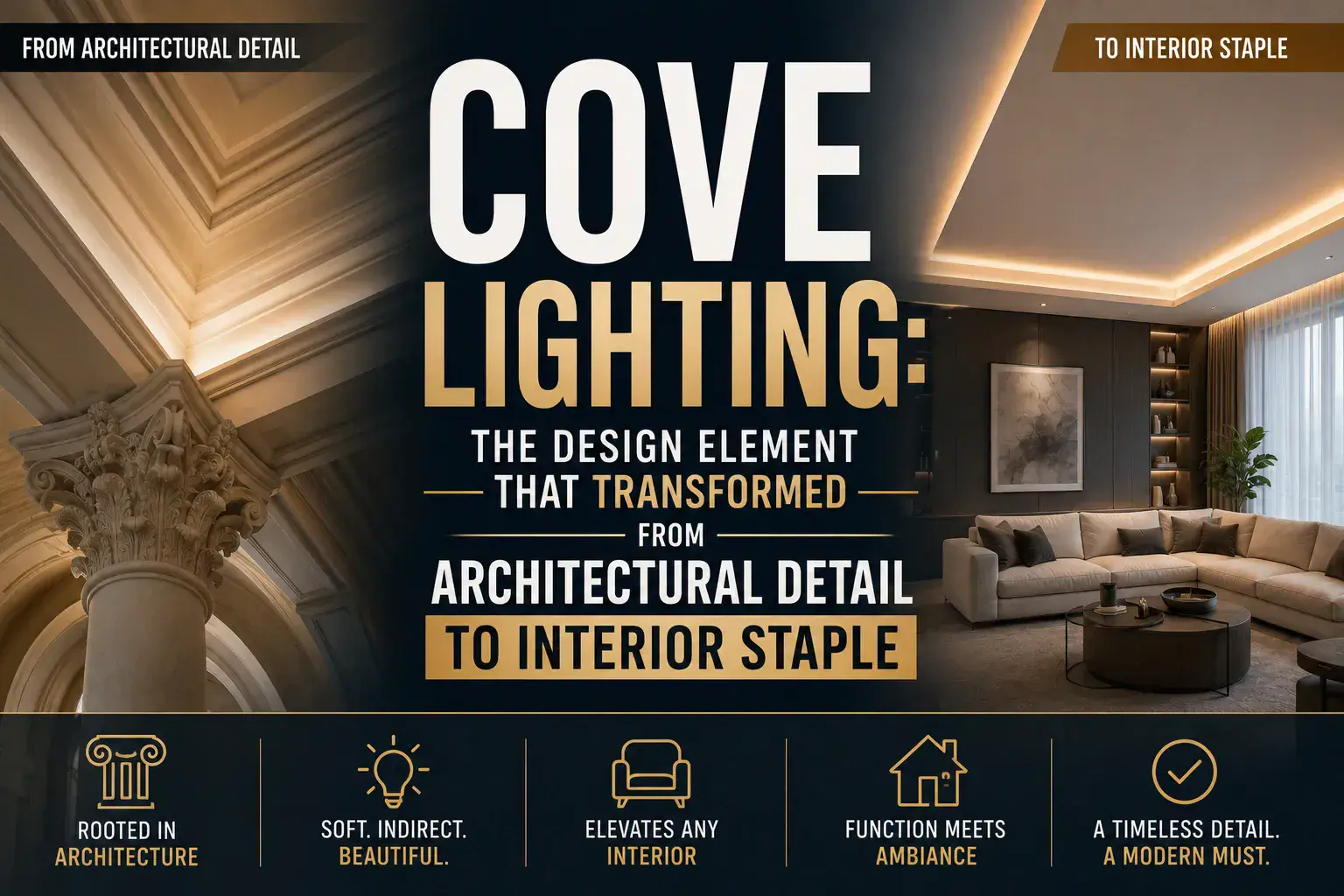
Five years ago, cove lighting was primarily an architectural detail, something you'd see in high-end hotel lobbies or luxury residential projects. Today, it's become a standard design expectation across residential, hospitality, and commercial interiors. The shift happened quietly but completely: cove lighting moved from "nice to have" luxury element to foundational design decision in spaces ranging from modest apartments to boutique hotels to corporate offices.
This transformation wasn't driven by the trend cycle alone. It was driven by technology making cove lighting practical, accessible, and genuinely useful for solving real design problems.
Why Cove Lighting Became Essential
The appeal of cove lighting is multifaceted, but it essentially comes down to three things: light quality, spatial perception, and design flexibility.
Perimeter lighting creates perceived space. When light comes from above and spreads down walls from ceiling edges, it makes spaces feel larger than they actually are. This is why hotels and architects use cove lighting in smaller rooms; it creates an illusion of openness. A bedroom that might otherwise feel compact reads as generously proportioned with light washing down the walls from a hidden cove source.
Layered lighting creates depth. A room with only overhead ceiling fixtures feels flat and utilitarian. Add cove lighting as a secondary source and the space gains visual and emotional depth. There's ambient fill, task lighting from above, and accent lighting from the perimeter. That layering is what transforms a space from "lit" to "designed."
Glare-free illumination sets mood. Cove lighting is inherently glare-free because the light source is hidden. This creates comfortable, sustained illumination that doesn't strain eyes the way direct overhead fixtures do. It's particularly valuable in spaces where people spend extended time in bedrooms, bathrooms, living rooms, offices.
It's structurally honest. Cove lighting highlights architectural details crown molding, tray ceilings, soffits, wall planes rather than hiding them. In contemporary design, that honesty reads as sophisticated rather than ornate.
Where Cove Lighting Actually Works Best
Cove lighting isn't universally appropriate, despite its growing ubiquity. Understanding where it genuinely solves problems versus where it's cosmetic is what separates effective design from trendy overuse.
Master bedrooms and primary bathrooms. These spaces benefit enormously from perimeter lighting. Cove lighting around the ceiling edge creates an environment that feels intentional and luxurious without being overdone. Combined with dimming, it sets the mood from energizing morning light to relaxing evening glow.
Kitchen soffits and above-cabinet runs. A kitchen benefits from layered lighting task lighting over counters, overhead general lighting, and ambient fill from cove runs along soffits or above cabinetry. This combination illuminates the space functionally while creating visual interest and preventing harsh shadows that pure overhead lighting creates.
Living room tray ceilings. If a living room has a tray or stepped ceiling, cove lighting in the recess creates architectural emphasis and fills the space with soft ambient light. This is one of the clearest applications where cove lighting solves a design problem rather than just adding decoration.
Hotel and hospitality corridors. Hallways and corridors in hotels, apartment buildings, and commercial spaces benefit immensely from cove lighting. It's warmer and more welcoming than utilitarian overhead fixtures, and the distributed light eliminates dark corners and creates a sense of intentional design even in service spaces.
Retail and boutique displays. Retail lighting is an entire specialized field, but cove lighting plays a supporting role by providing ambient fill that prevents harsh contrasts between task lighting and general space. Boutique clothing stores, galleries, and high-end retail particularly benefit from the visual subtlety cove lighting provides.
Where cove doesn't belong. Conversely, cove lighting doesn't work well in spaces requiring bright, clear task illumination (kitchens used for serious cooking), spaces with low ceilings where a recessed edge isn't possible, or utilitarian spaces where architectural detail isn't a priority. Not every space benefits from it, despite how common it's become.
The Technology That Made Cove Lighting Practical
The adoption of LED technology, specifically COB (Chip-on-Board) LED strips with high color rendering made cove lighting genuinely practical for widespread use.
Older incandescent or fluorescent cove systems required expensive custom installation, generated significant heat, consumed substantial power, and produced inferior light quality. LED strips changed all of this. They're dimmable, energy-efficient, produce minimal heat, and can be retrofitted into existing coves or built into new construction without special infrastructure.
COB specifically (continuous light from hundreds of micro-chips rather than individual diodes spaced apart) eliminated the biggest complaint about cove lighting: visible dots or hotspots. Modern COB strips provide genuinely seamless light, which is why cove lighting has finally achieved the polished look that made it desirable in luxury projects but previously cost-prohibitive in standard residential work.
This technology democratization is exactly why cove lighting shifted from architectural luxury to design standard. When it required expensive custom systems, it was rare. When it became a standard LED strip installation with basic aluminum channels, it became accessible to any project at any budget level.
Design Considerations For Implementation
Effective cove lighting requires attention to a few key decisions:
Light temperature and intensity. A bedroom cove lighting at 2700K warm white creates relaxation. A kitchen at 4000K neutral white provides better task support. Choosing the right color temperature is more important than choosing the right brightness intensity matters less than how the light actually renders color.
Dimming capability. Cove lighting without dimming is static. With dimming, it adapts to time of day, activity, and mood. For residential applications especially, dimming transforms cove lighting from decoration into a functional design element.
Channel selection. The aluminum profile housing the LED strip affects the light distribution pattern. Wall-washing profiles project light directly onto surfaces. Louvered profiles diffuse light more evenly without creating wall-washing effects. The choice depends entirely on whether you want to highlight architectural features (wall-washing) or provide general ambient fill (diffused).
Placement and spacing. Cove location dramatically affects its effectiveness. Edge-of-ceiling placement is most common and most effective for creating perceived space. Some designers place it on the wall at the ceiling line for slightly different effects. The chosen placement should enhance architectural details rather than compete with them.
Getting the Implementation Right
For anyone planning to integrate cove lighting into a residential, commercial, or hospitality space, the quality and type of LED strips matter far more than the conceptual appeal.
Professional-grade COB strips with high CRI (Color Rendering Index 90+) look dramatically better than consumer-grade alternatives. The difference in light quality, consistency, and longevity is substantial despite appearing similar in specifications. Experienced designers and architects know this and specify accordingly; homeowners and first-time specifiers often don't, leading to disappointing results from budget LED options.
For exploring professional-grade cove lighting options from ultra-slim 5mm strips to full-density 608 LEDs/meter, in 12V and 24V configurations with matching aluminum profiles this comprehensive cove lighting LED strip collection shows the range available at the specification level that serious design work actually requires. The choice of strip density, width, and profile affects both the aesthetic result and the practical installation process.
The Bottom Line
Cove lighting's rise from luxury element to standard design feature happened because the technology made it practical and the design benefits made it genuinely useful. It's not trendy overreach, it's a solved problem that works. But like any lighting element, it works best when specified thoughtfully, using quality components, with attention to the specific space's needs.
The spaces that use cove lighting best aren't the ones that use it everywhere. They're the ones that use it deliberately, in locations where it actually solves a design problem or enhances an architectural feature. That distinction is what separates effective cove lighting design from decoration that ages poorly.

 English
 Arabic
 French
 Spanish
 Portuguese
 Deutsch
 Turkish
 Dutch
Dutch
 Russian
 Romaian
 Portuguese (Brazil)
 Greek
Greek