
Decoding Revenue Models for Airbnb Clones: How Vacation Rental Platforms Make Money
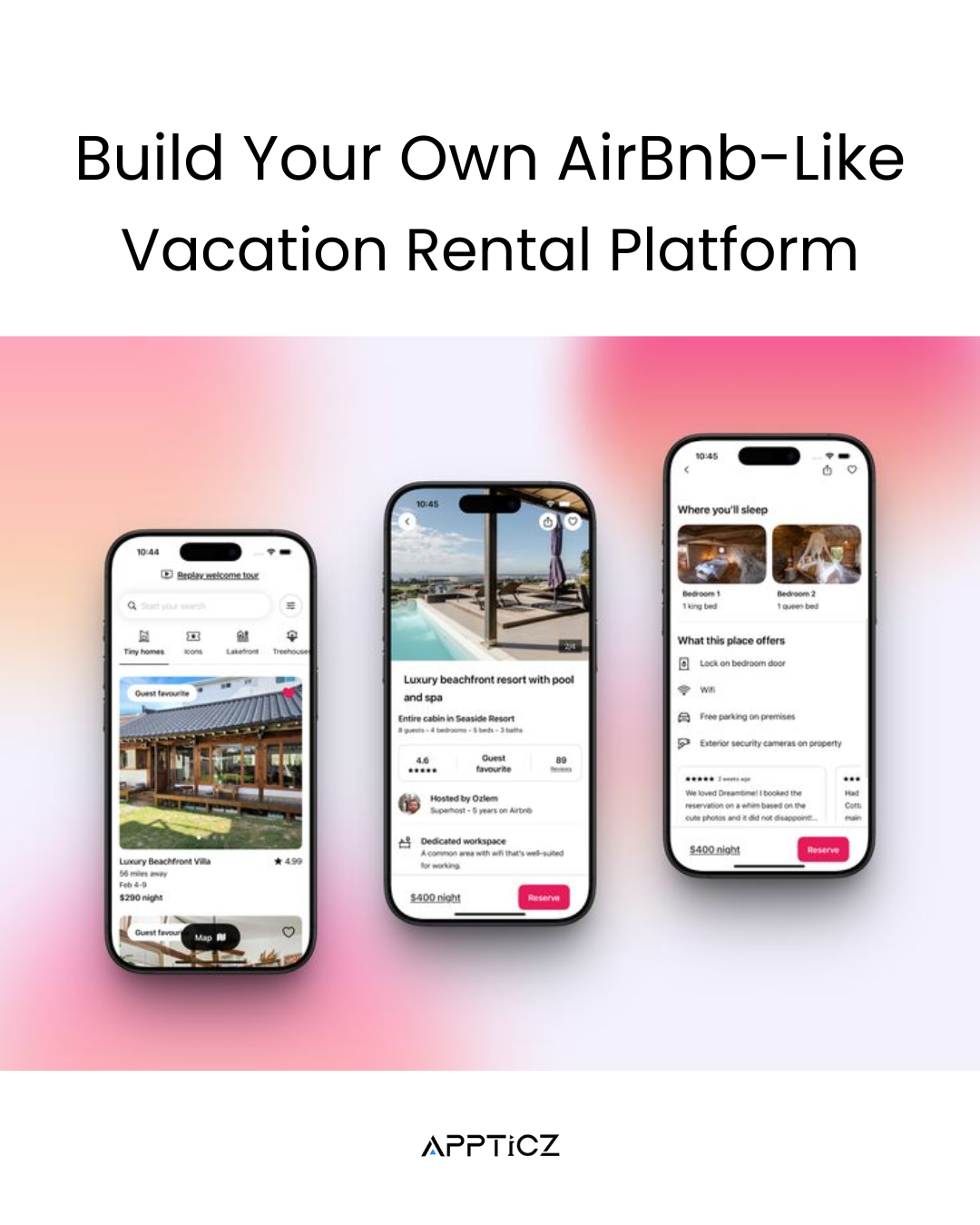
Hey there, fellow startup enthusiasts and tech dreamers! If you’ve ever wondered how vacation rental marketplaces like Airbnb turn clicks and bookings into cold, hard cash, you’re in the right spot. This week, we’re diving into the fascinating world of revenue models behind Airbnb clones. Whether you’re considering launching your own platform or just curious about the business mechanics, we’ll unpack the most popular ways these platforms keep cash flowing.
Let’s be honest, building an Airbnb clone is more than just coding a flashy website with pretty listings. It’s about creating a sustainable business that both hosts and guests trust while ensuring the platform itself thrives financially. So, how exactly do vacation rental platforms monetize their service? Buckle up—here’s the breakdown.
1. Commission-Based Earnings: The Classic Approach
Most Airbnb clones rely heavily on commissions as their primary revenue source. This means taking a cut from the booking fee every time a guest completes a stay. Typically, the platform charges both the host and the guest a percentage, commonly between 3% and 15%, depending on the side and market conditions.
This model works well because it aligns incentives: the platform earns more as bookings increase, while also remaining motivated to maintain quality and trust. From a host’s perspective, it’s a fair trade-off for the exposure and secure transactions the platform guarantees.
2. Subscription Plans for Hosts
While commission fees dominate, some platforms experiment with subscription-based models, especially to attract professional hosts or property managers. For a monthly or yearly fee, hosts get perks like unlimited listings, featured placements, or enhanced analytics tools. This can add predictability to revenue for new platforms and encourage serious hosts to stay loyal.
It’s like a “VIP club” for hosts who want to level up their game, and it’s great for platforms looking to diversify income streams beyond per-booking cuts.
3. Featured Listings and Advertising
Want your property to pop in search results? Many Airbnb clones offer a pay-to-play approach where hosts can pay extra to boost their listing visibility or showcase seasonal promotions. This is a neat win-win: hosts gain better exposure, and the platform earns additional income without stressing the commission structure.
Some platforms might also open advertising slots for local experiences, tours, or services, making the platform an even richer ecosystem beyond lodging.
4. Service Fees and Add-Ons
Being the intermediary comes with some operational costs like secure payments, customer support, and customer verification. To cover these, platforms may add service fees on top of the base price, which guests often accept if it’s transparent and justified.
Additionally, value-added services such as insurance packages, cleaning fees, or flexible cancellation options can generate revenue and enhance the customer experience simultaneously.
5. Transaction Fees and Payment Processing
Some platforms incorporate transaction fees by partnering with payment gateways. They may either absorb or pass on payment processing charges to guests or hosts. In niches where international bookings are common, currency conversion fees or cross-border transaction fees can also become part of the revenue recipe.
Final Thoughts: Crafting a Balanced Revenue Model
Launching a vacation rental platform means thinking smart about revenue without scaring off users with hidden or exorbitant fees. Most successful Airbnb clones combine several of these models, mixing commissions with subscription tiers and optional add-ons, ensuring flexibility and steady cash flow.
And remember, revenue is only half the story. Delivering exceptional service, cultivating trust, and building a vibrant community around your marketplace are what truly fuel growth.

 English
 Arabic
 French
 Spanish
 Portuguese
 Deutsch
 Turkish
 Dutch
Dutch
 Italiano
 Romaian
 Portuguese (Brazil)
 Greek
Greek